Modi's UAE visit locks in 30 mn barrel oil deal amid Middle East tensions
Synopsis
Modi's UAE stopover was less a diplomatic courtesy and more an energy lifeline. With a 30-million-barrel strategic reserve deal, a fresh LPG supply pact, and $5 billion in new UAE investment — all signed as drone strikes hit Gulf infrastructure — India is making its most concrete bet yet on insulating itself from Middle East volatility.
Key Takeaways
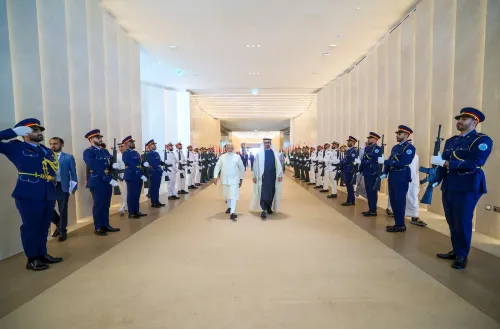
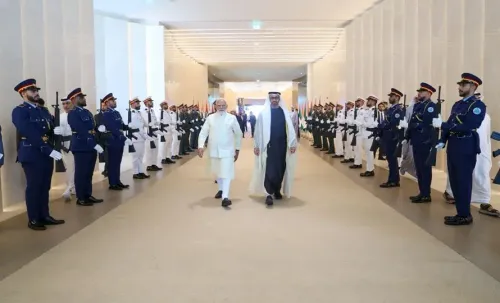
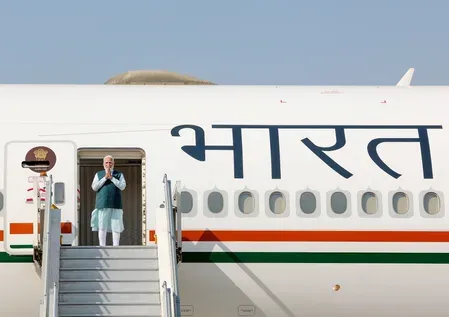
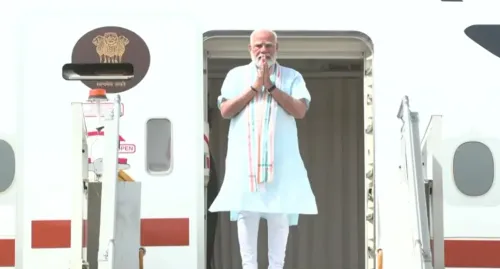
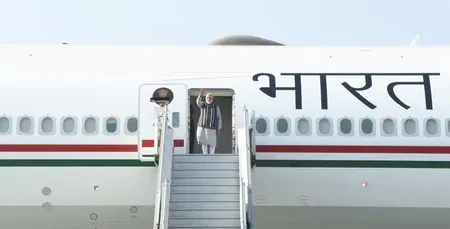
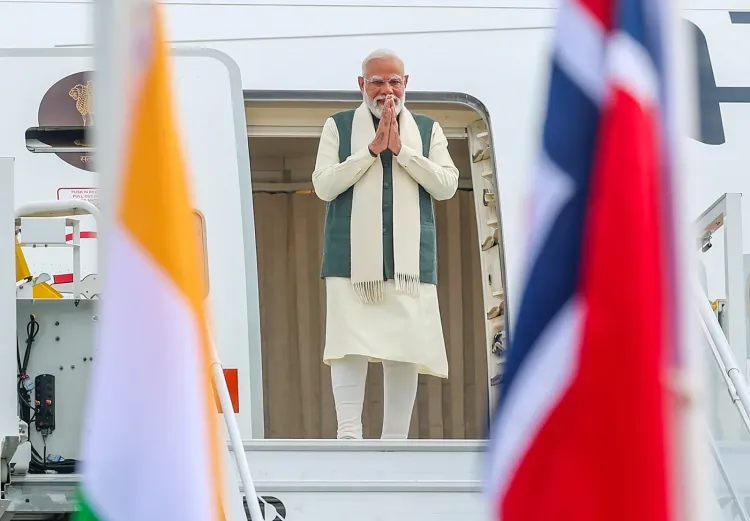
PM Narendra Modi visited the UAE as the first leg of a five-nation tour covering the Netherlands, Sweden, Norway, and Italy.
ISPRL and ADNOC signed a deal raising UAE crude supplies to India's strategic petroleum reserves to 30 million barrels .
Indian Oil Corporation and ADNOC formalised long-term LPG supply arrangements; both nations agreed to explore strategic gas reserves in India.
The UAE exited OPEC , freeing it from a 4.8 million barrels per day production ceiling — directly benefiting India as a top crude and LNG customer.
The UAE pledged fresh investments of $5 billion ; bilateral trade stands at nearly $85 billion annually.
Drone strikes on the UAE and Saudi Arabia on Sunday , despite a ceasefire, underscored the urgency of India's energy hedging strategy.
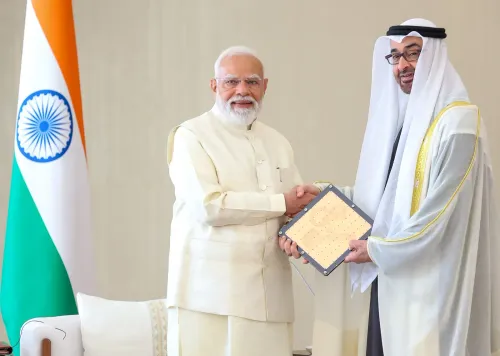
Prime Minister Narendra Modi's visit to the United Arab Emirates has taken on heightened strategic weight after India and the Gulf nation signed a series of energy agreements aimed at securing long-term supply lines — even as geopolitical instability and volatile crude markets roil the broader Middle East. The agreements, formalised during the first leg of Modi's five-nation tour, come at a moment analysts describe as one of the most consequential for India's energy diplomacy in years.
Key Energy Agreements Signed
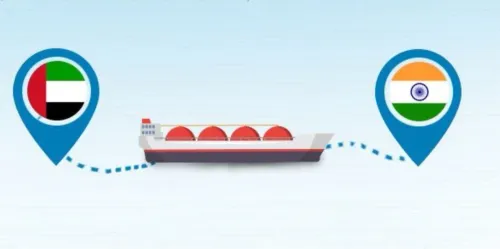
A strategic collaboration agreement between Indian Strategic Petroleum Reserves Limited (ISPRL) and Abu Dhabi National Oil Company (ADNOC) will see the UAE raise crude oil supplies to India's strategic petroleum reserves to 30 million barrels, according to a government statement. Separately, state-run Indian Oil Corporation (IOC) and ADNOC formalised long-term liquefied petroleum gas (LPG) supply arrangements. Both countries also agreed to explore the creation of strategic gas reserves on Indian soil — a move that would further insulate India from supply shocks.
Why the UAE's OPEC Exit Matters for India
The visit followed the UAE's landmark decision to exit the Organisation of the Petroleum Exporting Countries (OPEC), a development widely viewed as reshaping the Gulf's energy architecture. As OPEC's sixth-largest producer, the UAE had operated under a production ceiling of 4.8 million barrels per day. Outside the cartel, it is now free to increase output without restriction. India, which imports nearly one-tenth of its crude oil requirements from the UAE and is also its largest liquefied natural gas (LNG) customer, stands to benefit directly from this expanded production flexibility, according to analysts.
Geopolitical Context: Drone Strikes and Ceasefire Fragility
The timing of the agreements is underscored by fresh instability in the region. Drone strikes reportedly targeted the UAE and Saudi Arabia on Sunday, even as a ceasefire linked to the ongoing US-Israel-Iran conflict remained nominally in place. The strikes highlighted the vulnerability of Gulf energy infrastructure and the risks India faces from depending on a region under persistent pressure. Strategic experts, according to reports, described the India-UAE partnership as a practical hedge against future supply disruptions and price volatility.
Broader Economic and Diplomatic Footprint
Beyond energy, the UAE committed fresh investments worth $5 billion, reinforcing an economic relationship that already carries bilateral trade valued at nearly $85 billion annually. Modi's tour will subsequently take him to the Netherlands, Sweden, Norway, and Italy. Analysts cited by the South China Morning Post noted that the visit's timing reflects India's broader effort to lock in stable, long-term energy supplies as uncertainty deepens across the Middle East. This is not India's first energy push in the Gulf, but the scale of the ISPRL-ADNOC deal — and the backdrop of the UAE's OPEC exit — gives it unusual strategic depth.
What Comes Next
The two sides have agreed to explore strategic gas reserve infrastructure in India, a project that would require regulatory and logistical groundwork before it becomes operational. Industry observers will watch whether the 30 million barrel strategic reserve commitment translates into faster drawdown timelines and whether the LPG supply agreement includes price-floor protections for India. With the Middle East remaining a flashpoint, the durability of the ceasefire and the security of Gulf energy corridors will be the key variables shaping how quickly these agreements deliver on their promise.
Point of View
But its real test will be speed of execution — strategic reserves are only as valuable as their drawdown readiness. India importing one-tenth of its crude from the UAE is a structural dependency, not a strategic choice, and the agreements do not fundamentally alter that. The UAE's OPEC exit is the more consequential variable: it removes a production ceiling that constrained supply to India, but it also removes the cartel's price-stabilising function, which cuts both ways. The drone strikes on Gulf infrastructure, even under a ceasefire, are a reminder that no paper agreement insulates India from a kinetic disruption to shipping lanes.
NationPress
22 Sept 2026
Frequently Asked Questions
What energy agreements did India and UAE sign during PM Modi's visit?
India and the UAE signed two major energy agreements: a strategic collaboration between Indian Strategic Petroleum Reserves Limited (ISPRL) and ADNOC to raise UAE crude supplies to India's strategic reserves to 30 million barrels, and a long-term LPG supply arrangement between Indian Oil Corporation and ADNOC. Both countries also agreed to explore establishing strategic gas reserves in India.
How does the UAE's exit from OPEC affect India?
The UAE's departure from OPEC frees it from a production ceiling of 4.8 million barrels per day, allowing it to increase output. Since India imports nearly one-tenth of its crude from the UAE and is its largest LNG customer, greater UAE production flexibility could translate into more stable and potentially larger volumes for India.
Why is the timing of Modi's UAE visit strategically significant?
The visit coincided with rising geopolitical tensions in the Middle East, including drone strikes on the UAE and Saudi Arabia despite an ongoing ceasefire linked to the US-Israel-Iran conflict. Analysts say India is seeking to lock in long-term energy supply agreements precisely because uncertainty in the region threatens oil market stability.
What is the scale of India-UAE economic ties?
Bilateral trade between India and the UAE stands at nearly $85 billion annually. During Modi's visit, the UAE committed fresh investments worth $5 billion, further deepening one of India's most significant economic partnerships in the Gulf.
Which other countries will PM Modi visit on his five-nation tour?
After the UAE, PM Modi's tour will take him to the Netherlands, Sweden, Norway, and Italy. The UAE leg was the first and most energy-focused stop of the five-nation itinerary.