Modi's multi-nation tour: India seals UAE energy deals, deepens Europe ties
Synopsis
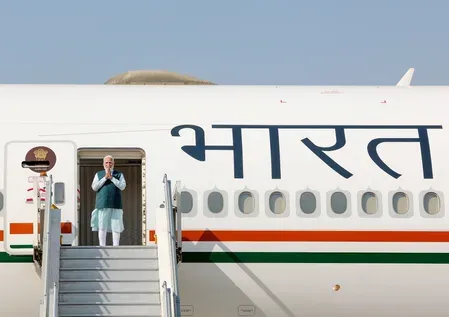
Modi's multi-nation swing produced more than diplomatic optics — it locked in a 30-million-barrel UAE crude deal, $5 billion in fresh Gulf investment, and new cooperation in green hydrogen and civil nuclear energy, all while India simultaneously deepened ties with four European nations. In a fragmenting world order, New Delhi is methodically building energy and strategic redundancy.
Key Takeaways
PM Modi visited the UAE , Netherlands , Sweden , Norway , and Italy as part of a multi-nation diplomatic tour.
India and the UAE expanded strategic petroleum reserves supply to 30 million barrels under an ADNOC agreement.
The UAE committed $5 billion in investments to India, including $3 billion into RBL Bank by ENDB .
Cooperation extended to green hydrogen, civil nuclear energy, and ports development, signalling a broad strategic alignment.
An MoU was signed between Cochin Shipyard Limited and Drydocks World for a Ship Repair Cluster at Vadinar, Gujarat .
The tour comes as the UAE exits the OPEC quota system, giving India greater bilateral supply flexibility.
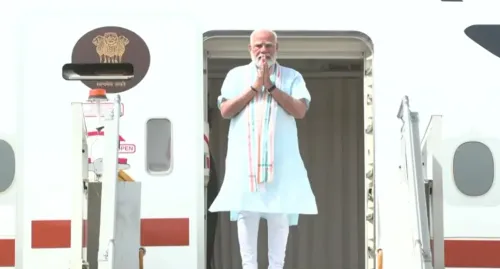
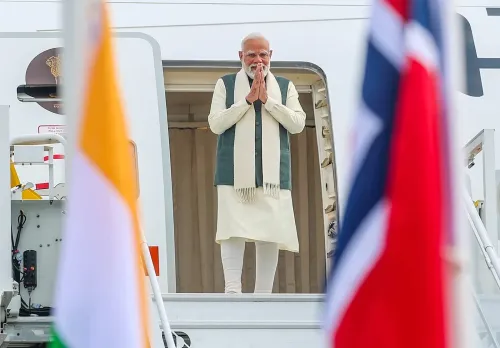
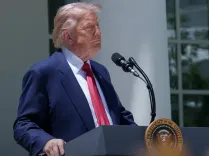
Prime Minister Narendra Modi's multi-nation tour — spanning the UAE, Netherlands, Sweden, Norway, and Italy — has underscored India's accelerating push to diversify its energy supply chains, forge deeper strategic partnerships, and cement its role as a bridge between the Middle East and Europe at a time of shifting global alliances. The visit comes amid a dramatically altered US foreign policy posture under President Donald Trump, which has prompted several nations, including India, to recalibrate their external partnerships.
UAE Energy Agreements
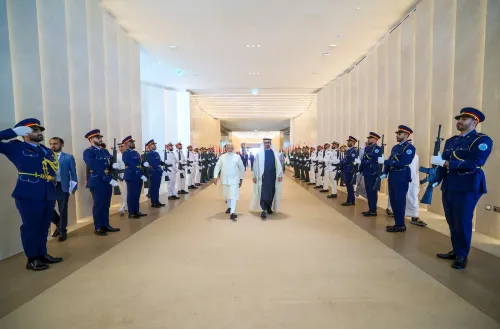
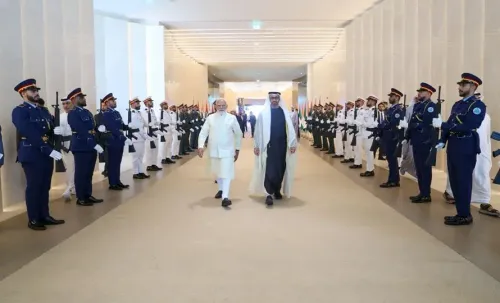
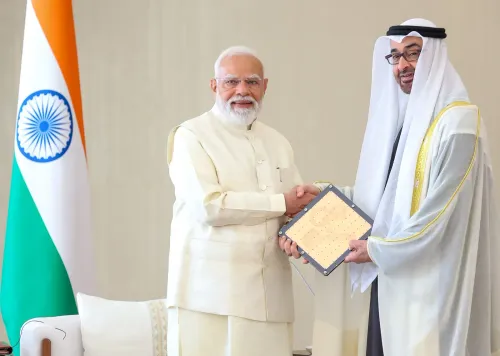
The Abu Dhabi leg of the tour yielded a cluster of landmark energy deals. India and the UAE expanded an existing arrangement between Indian Strategic Petroleum Reserves Limited and the Abu Dhabi National Oil Company (ADNOC), raising UAE crude supply to India's strategic reserves to 30 million barrels. Separately, Indian Oil Corporation and ADNOC reinforced long-term liquefied petroleum gas supply commitments, and both sides agreed to explore the development of strategic gas storage facilities on Indian soil.
The Abu Dhabi visit was notably timed against the UAE's recent decision to exit the Organisation of Petroleum Exporting Countries (OPEC) quota system — a move that grants the Gulf nation greater flexibility to raise output and pursue bilateral supply pacts. For India, the world's third-largest oil importer, that flexibility translates into tangible energy security.
$5 Billion UAE Investment into India
Prime Minister Modi and UAE President Sheikh Mohammed bin Zayed Al Nahyan jointly welcomed $5 billion in fresh UAE investment commitments into India. The package breaks down as follows: $3 billion by the Emirates New Development Bank (ENDB) into RBL Bank; $1 billion by the Abu Dhabi Investment Authority (ADIA) alongside the National Infrastructure and Investment Fund of India (NIIF) for priority infrastructure projects; and $1 billion by the International Holding Company in Sammaan Capital of India.
The two leaders also reviewed the full breadth of bilateral ties and welcomed the deepening of the Comprehensive Strategic Partnership across energy, trade, investment, defence, security, fintech, infrastructure, education, culture, and people-to-people links. They acknowledged the success of the India–UAE Comprehensive Economic Partnership Agreement (CEPA), which has driven bilateral trade to record levels.
Beyond Hydrocarbons: Ports, Green Hydrogen, Civil Nuclear
Cooperation between New Delhi and Abu Dhabi is expanding well beyond oil and gas. Both sides agreed to collaborate on ports development, green hydrogen, and civil nuclear energy — sectors that signal a broader, long-term strategic alignment. An MoU was also signed between Cochin Shipyard Limited and Dubai-based Drydocks World for establishing a Ship Repair Cluster at Vadinar in Gujarat, covering offshore fabrication under India's Maritime Development Fund Scheme, according to a statement from the Prime Minister's Office.
European Outreach: Netherlands, Sweden, Norway, Italy
The European leg of the tour — covering the Netherlands, Sweden, Norway, and Italy — reflects India's wider effort to deepen ties with Western partners at a moment when traditional transatlantic certainties are under strain. This is the most extensive European outreach by an Indian prime minister in recent years, and analysts note it positions India as an increasingly indispensable interlocutor between energy-producing Gulf states and energy-dependent European economies.
Taken together, the tour represents a deliberate effort by New Delhi to hedge against geopolitical volatility by locking in supply agreements, attracting long-term capital, and building diplomatic equity across multiple theatres simultaneously. How these commitments translate into on-ground delivery will be the measure of their strategic value.
Point of View
But the more consequential signal is the breadth: hydrocarbons, green hydrogen, civil nuclear, ports, and banking in a single visit. India is not merely diversifying energy sources — it is building a layered dependency structure with the UAE that is increasingly difficult for either side to unwind. The European leg adds a second dimension: India positioning itself as the connective tissue between Gulf supply and European demand, a role that becomes more valuable the more fractured the transatlantic order becomes. The test, as always, will be execution — whether MoUs become operational agreements and whether investment commitments survive the friction of Indian regulatory timelines.
NationPress
22 Sept 2026
Frequently Asked Questions
What energy deals did India sign with the UAE during PM Modi's visit?
India and the UAE expanded an agreement between Indian Strategic Petroleum Reserves Limited and ADNOC to supply 30 million barrels of UAE crude to India's strategic reserves. Indian Oil Corporation and ADNOC also reinforced long-term LPG supply commitments, and both sides agreed to explore strategic gas storage facilities in India.
How much has the UAE committed to invest in India?
The UAE committed $5 billion in fresh investments: $3 billion by the Emirates New Development Bank into RBL Bank, $1 billion by ADIA with NIIF for infrastructure projects, and $1 billion by the International Holding Company in Sammaan Capital.
Why is the UAE's exit from the OPEC quota system significant for India?
The UAE's departure from the OPEC quota system allows it to raise oil production independently and pursue bilateral supply agreements without cartel restrictions. For India, the world's third-largest oil importer, this opens the door to more flexible and potentially larger supply arrangements.
Which European countries did PM Modi visit and why?
PM Modi visited the Netherlands, Sweden, Norway, and Italy as part of India's broader European outreach. The visits are aimed at deepening strategic partnerships at a time when US foreign policy under President Donald Trump has shifted, prompting India to strengthen ties with Western partners independently.
What is the Cochin Shipyard–Drydocks World MoU about?
The MoU signed between Cochin Shipyard Limited and Dubai-based Drydocks World provides for the establishment of a Ship Repair Cluster at Vadinar in Gujarat, covering offshore fabrication under India's Maritime Development Fund Scheme, as confirmed by the Prime Minister's Office.