India eyes UAE as major LNG, LPG source: Piyush Goyal at India-UAE task force meet
Synopsis
India is pursuing the UAE as a dual-purpose energy partner — importing LNG and LPG while offering storage space for UAE crude on Indian soil, and potentially parking Indian reserves in Fujairah. The ISPRL-ADNOC deal for up to 30 million barrels signals that the India-UAE energy axis, launched during PM Modi's May 2026 visit, is moving from diplomacy to infrastructure.
Key Takeaways
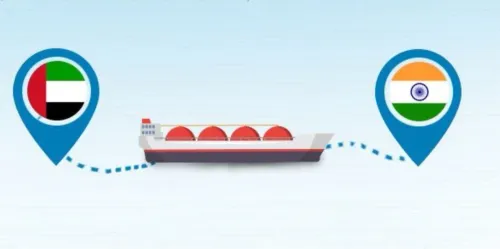
Commerce Minister Piyush Goyal announced on 28 September that India is exploring the UAE as a key source of LNG and LPG .
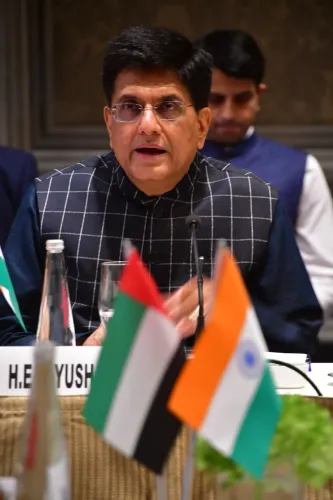
The announcement followed the 14th India-UAE High-Level Joint Task Force on Investments meeting in Mumbai .
ISPRL and ADNOC have signed a strategic agreement allowing the UAE to store up to 30 million barrels of crude in India at Visakhapatnam and Chandikhol .
India is also exploring storing a portion of its strategic crude reserves in Fujairah , outside the Strait of Hormuz .
The framework builds on agreements reached during PM Modi's UAE visit in May 2026 .
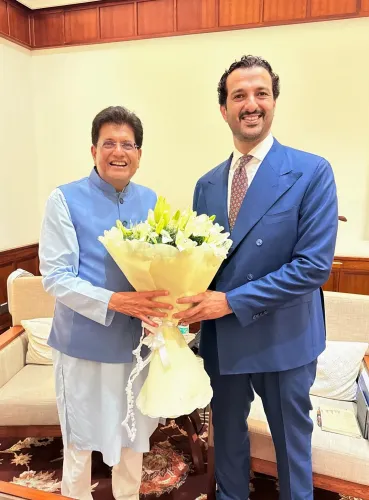
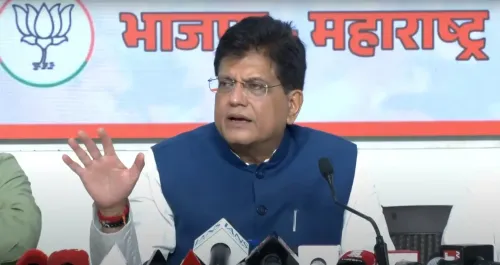
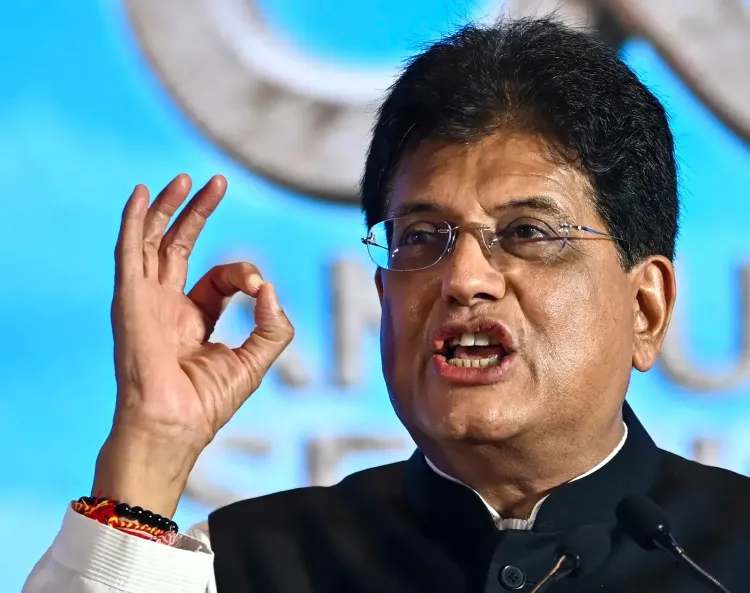
Commerce and Industry Minister Piyush Goyal on Monday said India is actively exploring the United Arab Emirates (UAE) as a key source of liquefied natural gas (LNG) and liquefied petroleum gas (LPG), while simultaneously working to expand the country's strategic petroleum reserves to strengthen long-term energy security. Goyal made the remarks in Mumbai after the 14th meeting of the India-UAE High-Level Joint Task Force on Investments.
What Goyal Said
'India is exploring the possibility of using the United Arab Emirates as a key source of liquefied natural gas (LNG) and liquefied petroleum gas (LPG), while also working with Abu Dhabi to expand petroleum reserves,' the minister stated. He added that India is engaging with the UAE to diversify its supply arrangements and safeguard domestic energy availability amid continuing uncertainties in global energy markets.
Agreements Rooted in Modi's UAE Visit
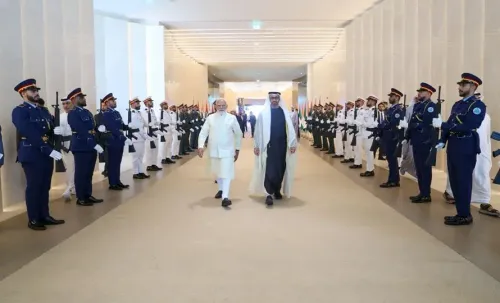
The discussions build on agreements announced during Prime Minister Narendra Modi's visit to the UAE in May 2026, when both nations unveiled plans for deeper cooperation covering crude oil storage, strategic reserves, LNG and LPG infrastructure, and long-term LPG supply arrangements. That diplomatic groundwork has now translated into concrete institutional-level engagement.
ISPRL-ADNOC Strategic Agreement
A key outcome of the bilateral framework is a strategic agreement between Indian Strategic Petroleum Reserves Ltd (ISPRL) and Abu Dhabi National Oil Company (ADNOC), under which the UAE could store up to 30 million barrels of crude oil in India's strategic petroleum reserve facilities. The proposed storage sites are located at Visakhapatnam in Andhra Pradesh and Chandikhol in Odisha.
Fujairah Storage and Supply-Chain Resilience
The two sides are also examining the possibility of storing a portion of India's strategic crude reserves in Fujairah, a key UAE oil hub situated outside the Strait of Hormuz. This arrangement, if finalised, is expected to improve supply-chain resilience and provide greater flexibility in managing energy inventories during periods of geopolitical disruption. Notably, Fujairah's location beyond the Hormuz chokepoint is a significant strategic advantage, given that a large share of global oil shipments passes through the strait.
Why This Matters for India's Energy Strategy
India is the world's third-largest energy consumer, and its dependence on imported hydrocarbons makes supply diversification a strategic imperative. The move to deepen ties with the UAE comes amid volatile global energy markets shaped by ongoing geopolitical tensions. Expanding LNG and LPG sourcing from the Gulf, combined with reciprocal crude storage arrangements, represents a multi-layered approach to reducing vulnerability to supply shocks. This is also consistent with India's broader push to lock in long-term energy agreements with stable, proximate suppliers.
Point of View
One that goes beyond simple buyer-seller dynamics. What mainstream coverage underplays is the Fujairah angle: storing Indian strategic reserves outside the Strait of Hormuz is a direct hedge against a Hormuz blockade scenario, which has historically been India's single biggest energy supply nightmare. The risk is that these arrangements remain framework-level for years, as past India-UAE energy MoUs have shown. Goyal's task force meeting is a positive signal, but the gap between signed agreements and operational storage infrastructure in India has historically been wide.
NationPress
29 Sept 2026
Frequently Asked Questions
What did Piyush Goyal announce about India-UAE energy cooperation?
Commerce and Industry Minister Piyush Goyal said on 28 September that India is exploring the UAE as a key source of LNG and LPG, and is also working to expand strategic petroleum reserves in collaboration with Abu Dhabi. The remarks came after the 14th India-UAE High-Level Joint Task Force on Investments meeting in Mumbai.
What is the ISPRL-ADNOC agreement?
Indian Strategic Petroleum Reserves Ltd (ISPRL) and Abu Dhabi National Oil Company (ADNOC) have signed a strategic agreement under which the UAE can store up to 30 million barrels of crude oil in India's reserve facilities at Visakhapatnam in Andhra Pradesh and Chandikhol in Odisha. The deal is part of a broader bilateral energy framework.
Why is the Fujairah storage arrangement significant?
Fujairah is located outside the Strait of Hormuz, a critical global oil chokepoint. Storing Indian strategic crude reserves there would give India greater supply flexibility and resilience against any disruption to Hormuz shipping lanes, which carry a large share of India's imported oil.
How does this relate to PM Modi's UAE visit?
The current discussions build directly on agreements announced during PM Narendra Modi's visit to the UAE in May 2026, when both countries committed to deeper cooperation on crude oil storage, LNG and LPG infrastructure, and long-term supply arrangements. The task force meeting marks the institutional follow-through on those commitments.
Why is India diversifying its energy supply sources?
As the world's third-largest energy consumer, India relies heavily on imported hydrocarbons. Ongoing geopolitical uncertainties and volatile global energy markets have made supply diversification a strategic priority, prompting India to lock in long-term agreements with stable, proximate suppliers like the UAE.