How India’s Diplomatic Restraint is Shaping West Asia Relations
Synopsis
As conflict continues to unfold in West Asia, India’s diplomatic strategy prioritizes citizen safety and promotes regional engagement. This measured approach highlights India's role as a credible global partner amid polarized alliances.
Key Takeaways
India's diplomatic strategy emphasizes citizen safety amid regional tensions.
Engagement with diverse regional partners enhances India’s credibility.
Economic ties between India and Gulf nations remain strong despite crises.
India advocates for dialogue and respect for international law.
Responsible diplomacy prioritizes human welfare and peace.
Abu Dhabi, March 13 (NationPress) In the face of persistent unrest in West Asia, India has adopted a diplomatic approach that emphasizes the safety of its citizens while fostering relationships with all stakeholders in the region. A recent report highlights that India's response has been calm, responsible, and compassionate.
West Asia occupies a vital position in India's strategic framework, with nearly nine million Indians residing and working across Gulf countries. The contributions of Indian professionals in various sectors significantly bolster both the Indian and Gulf economies. According to political analyst Rishi Suri in the prominent UAE publication Khaleej Times, the welfare of the Indian diaspora is a cornerstone of India’s regional policy.
As tensions escalated in West Asia, India took proactive measures to protect its citizens residing in the area. Indian embassies and consulates maintained regular communication with nationals, providing advisories and necessary assistance.
The Indian government mobilized contingency plans to closely monitor developments and facilitate the safe relocation or evacuation of its people if necessary. This approach reflects lessons learned from past crises where New Delhi executed large-scale evacuation and support operations, notably in Yemen, Ukraine, and Sudan. However, India's strategy during the West Asian conflict extends beyond consular aid; it has also actively engaged with regional allies.
According to Suri, “New Delhi’s diplomacy has been marked by restraint and equilibrium.” Instead of aligning with any particular faction in this region of competing interests, India has consistently promoted dialogue, de-escalation, and adherence to international law. This position underscores India’s long-standing tradition of maintaining strategic autonomy in foreign policy.
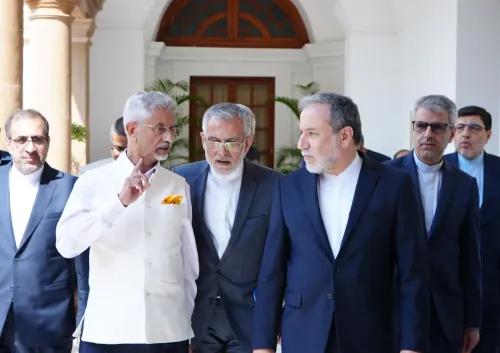
India's capability to foster relationships with a diverse array of players—from Israel and Iran to Gulf monarchies and regional organizations—has enabled it to maneuver through the intricacies of West Asian politics without becoming embroiled in rivalries. This balanced diplomatic stance has bolstered India's reputation as a credible and responsible global actor. Amidst a landscape often dominated by polarized alliances, India is perceived as a partner that prioritizes collaboration and development over ideological discord.
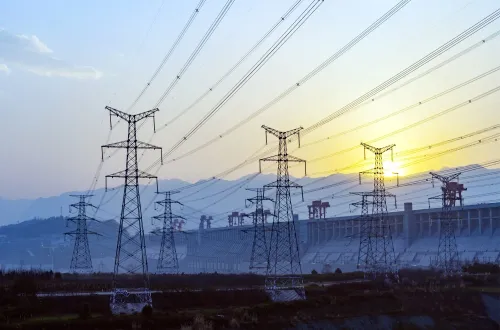
Another crucial dimension of India’s approach to West Asia amid the ongoing crisis is economic resilience. Trade relations and economic collaboration between India and Gulf nations have continued to strengthen despite the prevailing tensions. As noted in Khaleej Times, India remains a significant trading partner for numerous countries in West Asia, with energy cooperation being a cornerstone of this relationship.
By placing the safety of its citizens at the forefront while maintaining constructive engagement with Gulf partners, India exemplifies that diplomacy can be driven by collaboration, stability, and a commitment to human welfare. As the crisis in West Asia evolves, India's steady and principled response highlights a critical truth: responsible diplomacy is not solely about safeguarding national interests; it is equally about fostering trust, preserving peace, and ensuring humanity remains at the heart of international relations,” concluded Suri.
Point of View
India's diplomatic strategy in West Asia exemplifies a nation-first approach, balancing national interests with a commitment to regional stability and citizen welfare. This nuanced engagement reflects India's strategic autonomy and its role as a responsible global actor.
NationPress
26 Sept 2026
Frequently Asked Questions
What is India's approach to the West Asia crisis?
India prioritizes the safety of its citizens while maintaining diplomatic engagement with all regional partners.
How many Indians live in Gulf nations?
Approximately nine million Indians reside and work in various Gulf countries.
What role does the Indian diaspora play in West Asia?
The Indian diaspora significantly contributes to the economies of both India and Gulf nations.
What measures has India taken for its citizens in West Asia?
India has issued advisories and maintained communication through its embassies and consulates to ensure citizen safety.
How does India balance its relations in West Asia?
India engages with a diverse set of actors, promoting dialogue and stability without aligning with any single faction.