The Role of the Indian Diaspora in Stabilizing the Gulf During Regional Turmoil

Synopsis
Discover how the Indian diaspora has transformed from economic contributors to a vital community support system in the Gulf during recent West Asia tensions. Their resilience and solidarity shine in times of crisis.
Key Takeaways
Indian diaspora's resilience was crucial during West Asia tensions.
Over 9 million Indians in the Gulf, strengthening local economies.
Community networks provided essential support and services.
Indian professionals ensured continuity in critical sectors.
Humanitarian efforts were significant in aiding vulnerable populations.
Abu Dhabi, April 17 (NationPress) The Indian community in the Gulf has emerged as a significant yet understated force amid the recent unrest in West Asia, which has brought about uncertainties in energy markets, logistics networks, and expatriate communities.
This community, often evaluated through economic measures such as remittances and labor statistics, has exhibited a much richer narrative characterized by resilience, unity, and a remarkable capacity to stabilize both local societies and fellow migrants during crises, as highlighted in a report released this week.
“At the heart of this narrative lies the United Arab Emirates, a nation that has reaffirmed its position as a global pillar of stability in a tumultuous region. The Indian diaspora in the Gulf, which exceeds 9 million across the region and approximately 3.5 million in the UAE alone, ranks among the largest expatriate populations globally. For years, this community has fueled economies, constructed cities, and supported families across borders. However, during the recent tensions in West Asia, its role transformed from mere economic contributor to a critical community support system,” the report from Gulf Today elaborated.
As conflicts disrupted travel routes, heightened fears of escalation, and triggered misinformation, the Indian community networks assumed a vital role where formal systems were often slow to react.
“Informal support groups, business associations, and welfare networks mobilized swiftly. They arranged temporary housing for stranded workers and coordinated transportation for those needing to relocate within the Gulf, effectively creating a supportive ecosystem. Equally important was the contribution of Indian professionals across various sectors,” the report indicated.
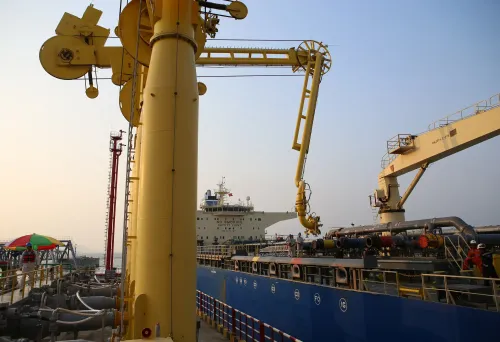
“In fields such as healthcare, logistics, energy, and retail, Indian workers ensured the continuity of essential services. Hospitals staffed by Indian medical professionals continued to operate smoothly. Supply chains, heavily reliant on Indian managerial and operational expertise, remained intact even amidst rising regional tensions. In energy infrastructure and port operations, Indian skills ensured that the Gulf's critical functions remained steady. This continuity was crucial not only for host nations but also for the global economy,” it further noted.
The report emphasized that beyond economic contributions, the most significant aspect was the humanitarian effort, with Indian expatriates pooling resources to assist the most vulnerable groups, including daily wage earners, newcomers, and those facing job uncertainties.
“Community kitchens, emergency funds, and volunteer networks became essential lifelines. Indian schools and cultural organizations in the UAE opened their doors for coordination efforts. In an age of digital misinformation, leaders within the diaspora played a crucial role in disseminating verified information, helping to prevent panic and maintain calm,” it added.
Highlighting the contributions of the Indian diaspora, the report concluded, “In a world increasingly characterized by uncertainty, this model of community-driven stability serves as a powerful blueprint. It illustrates that the strength of a nation abroad is not solely determined by its diplomatic influence but also by the character and resilience of its people.”
Point of View
It is evident that the Indian diaspora's contributions extend far beyond economic metrics. Their resilience and community spirit during crises reflect a model of collective strength that underscores the importance of human connection in challenging times.
NationPress
19 Sept 2026
Frequently Asked Questions
What is the Indian diaspora's role in the Gulf?
The Indian diaspora in the Gulf plays a crucial role in stabilizing local economies and communities, particularly during times of crisis by providing support networks and essential services.
How many Indians live in the Gulf?
There are over 9 million Indians in the Gulf, with approximately 3.5 million residing in the UAE, making it one of the largest expatriate communities globally.
What initiatives have Indian expatriates taken during crises?
Indian expatriates have organized community kitchens, emergency funds, and volunteer networks to support vulnerable groups during crises, ensuring mutual aid and assistance.
How has the Indian diaspora impacted local economies?
The Indian diaspora has significantly powered local economies in the Gulf by contributing through remittances, labor, and the establishment of businesses.
What sectors do Indian professionals work in within the Gulf?
Indian professionals work across various sectors in the Gulf, including healthcare, logistics, energy, and retail, ensuring the continuity of essential services.