The Significance of India in the Current West Asia Conflict
Synopsis
The ongoing conflict in West Asia is a profound failure of diplomacy, exposing global vulnerabilities. This analysis explores India's unique position to foster peace and stability in a fragmented world order. Discover how India can redefine its role amidst rising tensions.
Key Takeaways
Current West Asia conflict reflects a failure of timely diplomacy.
Energy has become a pivotal battleground, impacting global economies.
India holds a unique position to mediate and foster dialogue.
Establishing a mutual understanding of protecting energy infrastructure is essential.
Long-term stability requires rebuilding trust among regional actors.
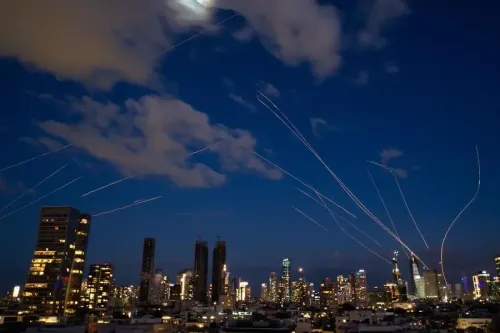
New Delhi, March 20 (NationPress) The current conflict in West Asia transcends mere military engagement; it symbolizes a profound failure of creativity, restraint, and proactive diplomacy. This situation underscores a global reality that recognized the risks yet opted for procrastination instead of decisive action, allowing rhetoric to overshadow resolution. What unfolds today is not an unforeseen crisis but rather the culmination of neglecting the pursuit of peace when it was viable.
For years, the region has been shrouded in an illusion of stability. The framework established post-Oslo Accords was never fully realized, yet it was repeatedly cited as though it retained significance. Rather than tackling fundamental disputes, the international community permitted the status quo to persist. Negotiations became mere formalities, mistrust became systemic, and conflict became unavoidable.
Peace didn’t falter overnight; it was gradually overlooked.
This ongoing war has starkly laid bare the consequences of that neglect. The United States, historically viewed as the pillar of regional stability, now seems limited and reactive. Its failure to prevent escalation, even amongst allies, raises doubts about its strategic integrity. In response, regional players have recalibrated their approaches—asserting their own interests, often at the expense of collective stability.
Simultaneously, the conflict has unveiled a deeper transformation. Power dynamics in West Asia are no longer dictated by clear-cut victories. Instead, they revolve around resilience, disruption, and the capacity to inflict costs. This has led to a scenario where no party can emerge as the definitive victor, yet all can engage in escalation.
The battleground of energy
A particularly alarming aspect of this war is the pivotal role of energy.
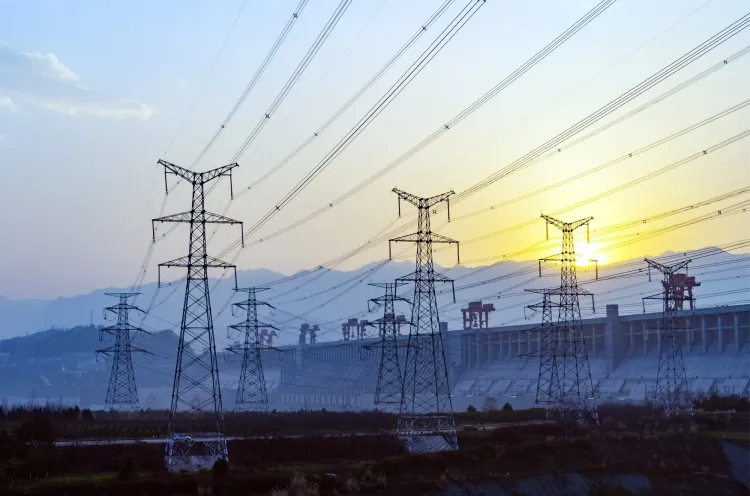
Oil fields, gas reserves, and maritime routes have evolved from mere economic assets to tools of pressure. The susceptibility of the Strait of Hormuz and vital infrastructure highlights the global economy's significant exposure to regional turmoil.
Even minor disruptions have resulted in price fluctuations. A drawn-out conflict could elevate energy prices to levels that would jeopardize economies worldwide, especially in Asia and Europe. Consequences such as inflation, supply chain interruptions, and stunted growth would ensue.
This issue transcends economics; it is fundamentally strategic. The global reliance on a single region for energy has become its most significant vulnerability.
A fragmented order and the absence of peace
The war is hastening the emergence of a fragmented regional order.
No single power commands dominance. While the United States retains influence, it is less decisive. China is economically expanding without assuming security obligations. Russia is selectively engaging. Regional powers are actively pursuing independent and often conflicting strategies.
In this context, peace cannot be externally imposed. It must be cultivated from within.
Regrettably, the institutions and mechanisms designed to foster peace have lost their credibility. Diplomacy has adopted a reactive stance instead of a preventive one. Dialogue has followed conflict rather than preventing it. The global community has, in essence, normalized instability.
A shifting paradigm: India’s opportunity to forge history
The world that emerges from the ongoing turmoil in West Asia will be increasingly uncertain, fragmented, and unpredictable. This is not merely a transient disruption; it signals the onset of a more chaotic order where conventional power structures weaken and novel forms of influence arise.
Energy will be central to this shift. Nations will no longer depend on a singular region or route. Diversification, resilience, and strategic reserves will become essential national priorities. Concurrently, regional alliances will evolve to be more fluid, driven less by fixed allegiances and more by immediate interests. External powers will face greater challenges in enforcing outcomes, while local dynamics will increasingly shape events.
In such an environment, influence will not solely stem from military or economic prowess. It will arise from the ability to align interests, mitigate tensions, and forge pathways to stability. This presents a pivotal opportunity for India.
India’s strategic advantage
India stands at a unique vantage point in this changing landscape. It has cultivated functional relationships across divides—engaging with Gulf nations, Iran, and Israel without being perceived as an adversary by any. This balanced approach grants India rare credibility during a time when most major powers are viewed through the lens of alignment or bias.
This credibility must now be channeled into proactive initiatives.
India can initiate by proposing a structured consultation with foreign representatives, starting with Gulf and Iranian interlocutors. At this stage, the goal need not be an ambitious peace accord. The focus should be practical and urgent: establishing a communication platform where none currently exists.
This initiative would convey intent—not to enforce solutions but to facilitate dialogue.
A gradual approach to de-escalation
Given the complexity of the conflict, India’s strategy should be methodical and outcome-focused.
Initially, the immediate objective must be to foster a mutual understanding regarding the non-targeting of energy infrastructure. Oil fields, gas facilities, and shipping routes are not merely national assets; they are global lifelines. Persistent attacks on these will exacerbate economic instability far beyond the region. A limited yet enforceable commitment to safeguard these assets could serve as the foundational building block for trust.
Secondly, once a basic level of restraint is established, efforts can progress towards a localized truce framework. This would entail reducing hostilities in critical zones and creating space for sustained dialogue. Even partial de-escalation would yield significant economic and psychological benefits.
Thirdly, the long-term challenge lies in rebuilding trust, particularly between Iran and Gulf states. This relationship is vital for regional stability. Without a minimum level of confidence between these actors, no broader peace framework can sustain itself. India, with its non-threatening stance, can facilitate confidence-building measures—economic cooperation, maritime security dialogues, and backchannel engagements.
Recognizing the reality
A crucial aspect of this process is the acknowledgment of a difficult truth: this war embodies miscalculations and strategic overreach on multiple fronts. Lasting peace cannot emerge from denial. While public narratives may resist such admissions, discreet diplomacy must recognize that continuing along the current trajectory benefits no one.
Consequently, the emphasis should shift from assigning blame to preventing further damage.
Why India, why now
India’s interests in the region are immediate—energy security, trade routes, and the welfare of its diaspora. Beyond these stakes lies a broader opportunity.
In a world where traditional powers are either overstretched or mistrusted, there exists a space for a different type of leadership—one that is connective rather than coercive.
By initiating dialogue, even at a modest level, India can establish itself as a credible peacemaker. While success is not guaranteed, and the divisions are profound, the cost of inaction is significantly higher—not just for the region, but for the global economy.
From risk to responsibility
This is a challenging endeavor, but it is worth pursuing.
If India can help create even a limited framework for de-escalation—starting with the protection of energy assets and progressing towards trust-building—it would not only safeguard its own interests but also make a meaningful contribution to global stability.
In a shifting world order, history will not solely be shaped by those who wield power, but by those who prevent its misuse.
India has the potential to be one such nation.
Conclusion
The conflict in West Asia serves as a cautionary tale of the consequences of delaying peace for too long. It is a failure that will have enduring repercussions.
Yet it also presents an opportunity for reflection.
For India, this extends beyond merely protecting interests. It is about defining a role—as a nation that not only navigates conflicts but actively works to prevent them.
In a fractured world, the ability to foster peace may very well become the most crucial form of power.
Point of View
Emphasizing the need for proactive diplomacy and the importance of addressing energy security amid rising tensions.
NationPress
22 Oct 2026
Frequently Asked Questions
What are the main causes of the conflict in West Asia?
The conflict stems from long-standing political, territorial, and religious disputes, exacerbated by external influences and the failure of diplomatic efforts.
How is energy security related to the conflict?
Energy resources in the region are crucial for global economies. The conflict threatens these resources, leading to potential price volatility and economic instability worldwide.
What role can India play in resolving the conflict?
India can act as a mediator by fostering dialogue between conflicting parties, leveraging its balanced relationships to promote peace and stability.
Why is the current conflict considered a failure of diplomacy?
The conflict highlights the international community's failure to address core issues over decades, allowing mistrust and tensions to escalate unchecked.
What are the implications of a fragmented regional order?
A fragmented order can lead to increased instability, as regional powers pursue conflicting strategies, making peace more difficult to achieve.