Veena Sikri: West Asia Crisis Deepens with Serious Consequences

Synopsis
Former diplomat Veena Sikri warns of the escalating crisis in West Asia, highlighting its severe humanitarian and economic effects. She emphasizes the need for diplomatic dialogue to resolve the conflict, while also noting the rising global energy prices and potential economic repercussions.
Key Takeaways
Severe humanitarian and economic impacts from the West Asia conflict.
Rising global energy prices due to disruptions in production.
Need for diplomatic dialogue to resolve tensions.
Potential for recession if the conflict persists.
International leaders are engaged in discussions to alleviate the situation.
New Delhi, March 11 (NationPress) Former High Commissioner of India to Bangladesh, Veena Sikri, expressed grave concerns regarding the escalating situation in West Asia, indicating that the ongoing conflict is becoming increasingly severe with dire humanitarian and economic ramifications. She remained optimistic that the crisis could be resolved promptly through dialogue and diplomatic initiatives.
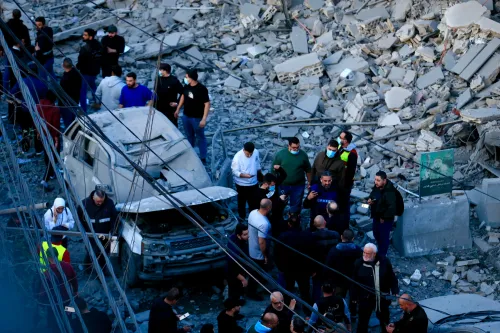
In an interview with IANS, Sikri highlighted the significant loss of lives and the widespread devastation of infrastructure as tensions continue to rise.
“This situation is very serious and deteriorating. We have already witnessed considerable loss of life and extensive infrastructure damage. Numerous Gulf nations have been impacted, and we are starting to see the economic fallout as well,” she stated.
She further emphasized that the ongoing conflict is also influencing global energy supplies. According to Sikri, disruptions in energy production and supply chains are likely to directly affect countries reliant on fuel and gas imports.
“The price of LNG is increasing, and reports indicate that Qatar has temporarily halted production. Every nation will need to adapt to ensure that citizens receive fuel and cooking gas. Concurrently, petrol prices are also on the rise and may escalate further,” she warned.
Sikri cautioned that these developments could lead to a broader economic crisis, stating that governments worldwide must carefully manage the repercussions of the conflict.
She expressed confidence that diplomatic efforts by global leaders could alleviate tensions.
“Our Prime Minister maintains regular communication with world leaders, and I am hopeful that dialogue and diplomacy will prevail. Numerous discussions are occurring at various levels,” she remarked.
Commenting on international responses, Sikri noted that former US President Donald Trump had recently suggested that the conflict might soon conclude.
“Trump indicated that the situation could resolve quickly. We are awaiting further developments. However, it is imperative for the conflict to end due to the excessive loss of life already incurred,” she added.
Beyond the humanitarian impact, Sikri pointed out that the conflict is also beginning to affect the global economy.
“The economic implications are severe. The world could face a recession if the conflict persists. This situation is truly intolerable, and it is crucial that peace initiatives succeed,” she told IANS.
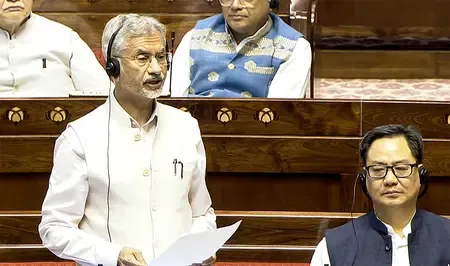
Furthermore, External Affairs Minister Dr. S. Jaishankar delivered a suo motu statement in the Rajya Sabha on Monday regarding the evolving circumstances in West Asia, labeling the conflict as a matter of grave concern for India.
In his address, Jaishankar stated that the current phase of the conflict commenced on February 28 and involves hostilities between Israel and the United States on one side and Iran on the other, with multiple Gulf nations being affected.
He noted that the violence has led to casualties, including among Iran's leadership, and has caused extensive infrastructural damage throughout the region. The minister indicated that India had issued a statement on the conflict's first day, urging restraint and advocating for a peaceful resolution.
“We believe that dialogue and diplomacy are the only viable strategies to de-escalate tensions and address the underlying issues,” Jaishankar asserted, emphasizing the need to respect the sovereignty and territorial integrity of all nations.
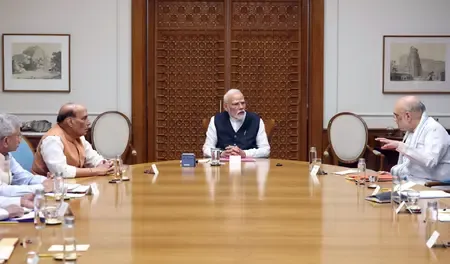
He also informed the House that the Cabinet Committee on Security, chaired by Prime Minister Narendra Modi, convened on March 1 to evaluate the situation following airstrikes in Iran and attacks across various parts of the Gulf region. The committee assessed the conflict's implications for regional stability, economic activity, and the safety of Indian nationals, directing the relevant ministries to take necessary actions to address emerging challenges.
Point of View
Focusing on the humanitarian and economic consequences outlined by former diplomat Veena Sikri. It emphasizes the necessity for diplomatic engagement and highlights the gravity of the ongoing conflict, which affects not only the region but also has global ramifications.
NationPress
20 Sept 2026
Frequently Asked Questions
What did Veena Sikri say about the West Asia situation?
Veena Sikri described the evolving situation in West Asia as extremely serious, indicating that the conflict is worsening and has significant humanitarian and economic impacts.
How is the ongoing conflict affecting global energy supplies?
The conflict is disrupting energy production and supply chains, leading to rising prices of LNG and petrol, which impacts countries dependent on fuel imports.
What did Dr. S. Jaishankar say about the conflict?
Dr. S. Jaishankar expressed that the current phase of the conflict involves fighting between Israel and the US against Iran, causing casualties and extensive infrastructural damage.
What is the potential economic impact of the West Asia conflict?
The ongoing conflict may lead to a broader economic challenge, potentially pushing the world towards recession if it continues for an extended period.
What role do diplomatic efforts play in resolving the conflict?
Diplomatic dialogue is seen as essential to de-escalate tensions and address the underlying issues causing the conflict, according to both Veena Sikri and Dr. Jaishankar.