Urgent Call for Diplomacy Amid Escalating West Asia Conflict: Manish Tewari
Synopsis
In an alarming statement, Congress MP Manish Tewari highlights the critical phase of conflict in West Asia, calling for diplomatic efforts to de-escalate tensions. The ongoing turmoil poses severe challenges for energy-dependent nations and disrupts vital supply chains.
Key Takeaways
Escalation of Conflict: The situation in West Asia has reached a critical and dangerous level.
Urgent Need for Diplomacy: All parties are urged to de-escalate tensions through diplomatic means.
Impact on Supply Chains: The conflict disrupts essential supplies including energy, food, and pharmaceuticals.
Economic Challenges for India: India faces significant challenges due to its extensive trade relations with affected nations.
Government Preparedness: The Indian government is actively assessing measures to mitigate the crisis's impact.
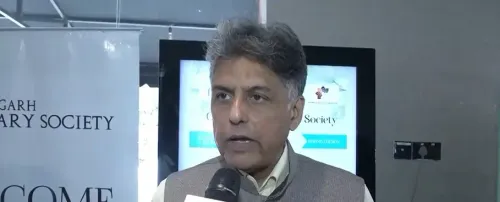
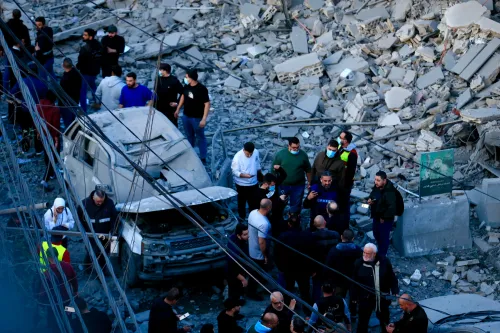
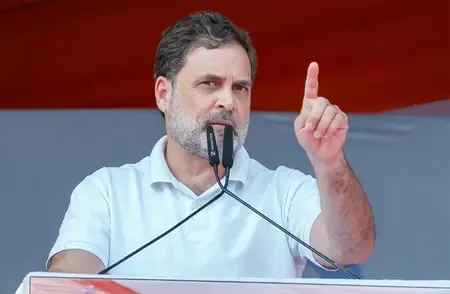
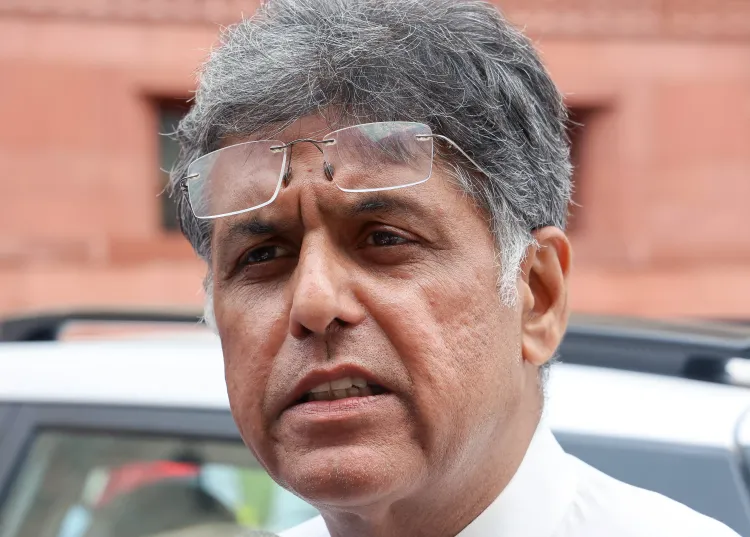
New Delhi, March 23 (NationPress) Congress MP Manish Tewari expressed alarm on Monday regarding the supply interruptions stemming from the ongoing turmoil in West Asia, emphasizing the urgent need to embrace diplomacy. He remarked that the conflict has escalated into a highly critical and perilous stage, calling for all parties to reduce tensions.
Tewari addressed the media, underlining the significant challenges confronting energy-dependent nations, particularly the broader repercussions of interruptions in the supply chains for crude oil, natural gas, fertilizers, food, and essential medicines.
“The situation in West Asia has escalated to a critical juncture. We have witnessed an extraordinary rise in hostilities just since yesterday. Reports indicate that Iranian forces have attempted to strike an Israeli nuclear research facility. The President of the United States has issued a warning that is set to expire tonight,” he mentioned.
“Thus, the conflict is now in what is arguably its most dangerous stage. Approximately 3,000 vessels are currently inactive in the Gulf of Oman and the Persian Gulf. It is imperative for all parties to lower tensions and allow for diplomatic negotiations. The urgency of the situation intensifies with each passing moment, especially for energy-dependent countries, as the impact extends beyond crude oil and natural gas to include fertilizers, food supplies, and life-saving pharmaceuticals. The entire supply chain is facing severe disruptions. Following three weeks of conflict involving Iran, the US, and Israel, we find ourselves in an exceptionally sensitive phase of this crisis,” he added.
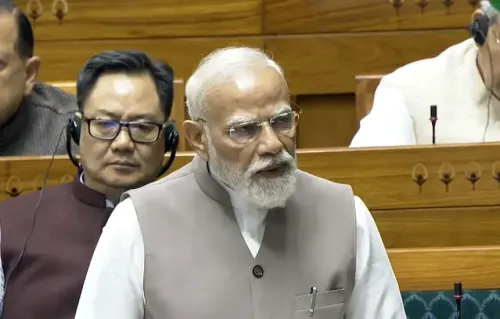
Earlier, Prime Minister Narendra Modi acknowledged that India is experiencing significant challenges due to the ongoing conflict in West Asia, particularly affecting Indians residing in Gulf countries, as well as the economic repercussions of the crisis.
During a Lok Sabha session discussing the West Asia conflict, PM Modi stated, "The current landscape in West Asia is concerning. Recently, External Affairs Minister Jaishankar and Union Minister Hardeep Singh Puri briefed the House regarding this matter. The crisis has now persisted for over three weeks, with adverse effects rippling through the global economy and impacting people's lives. Hence, there is a collective call for all involved parties to seek a swift resolution to this crisis."
The Prime Minister highlighted the multifaceted challenges confronting India as a result of the tensions in Gulf nations.
"This conflict has introduced unforeseen challenges for our nation, affecting economic stability, national security, and humanitarian issues. India maintains extensive trade ties with the nations at war and those impacted by the conflict," he remarked.
In a related development, Prime Minister Modi convened a meeting of the Cabinet Committee on Security (CCS) in New Delhi on Sunday to assess the situation and explore mitigation strategies in light of the ongoing conflict involving the United States, Israel, and Iran. During this meeting, Cabinet Secretary T.V. Somanathan presented a detailed overview of actions taken by various ministries and proposed further preparedness measures.
An official release from the Prime Minister’s Office (PMO) indicated that the ongoing conflict is expected to have substantial short, medium, and long-term ramifications for the global economy. The meeting evaluated the potential impact on India and deliberated on possible countermeasures.
“Thorough assessments of the availability of critical resources for the public, including food, energy, and fuel security, were conducted. Discussions encompassed short-term, medium-term, and long-term strategies to ensure the uninterrupted availability of essential commodities,” the PMO statement elaborated.
Point of View
It is imperative to recognize the profound implications of the ongoing conflict in West Asia. The situation requires immediate attention and a concerted effort towards diplomatic resolutions to mitigate the risks faced by energy-dependent nations and maintain global stability.
NationPress
24 Sept 2026
Frequently Asked Questions
What is the current situation in West Asia?
The situation in West Asia has escalated to a critical phase, marked by increased hostilities and significant disruptions in supply chains for energy resources and essential commodities.
What are the implications of the conflict for India?
India faces various challenges due to the West Asia conflict, including economic impacts, national security concerns, and humanitarian issues affecting its citizens in Gulf regions.
Why is diplomacy being emphasized?
Diplomacy is being underscored as a crucial element to de-escalate tensions and restore stability in the region, which is vital for global supply chains and security.
Who are the key political figures involved?
Key figures include Congress MP Manish Tewari, Prime Minister Narendra Modi, and various leaders from the conflicting nations.
How is the global economy affected?
The ongoing conflict is likely to have significant short, medium, and long-term effects on the global economy, particularly in the energy sector and essential goods supply.