Rahul Gandhi Warns of Threat to India's Oil Supply Amid West Asia Unrest
Synopsis
Rahul Gandhi raises alarms over escalating tensions in West Asia that could jeopardize India's energy security. He calls for decisive leadership to navigate the challenges posed by this volatile situation.
Key Takeaways
Rahul Gandhi warns of risks to India's energy security due to West Asia tensions.
Over 40% of India's oil supplies are vulnerable as they transit through the Strait of Hormuz.
Strong leadership is essential to navigate the geopolitical landscape.
The sinking of IRIS Dena by the US has escalated concerns in the region.
Potential impacts extend to food security and inflation ahead of the planting season.
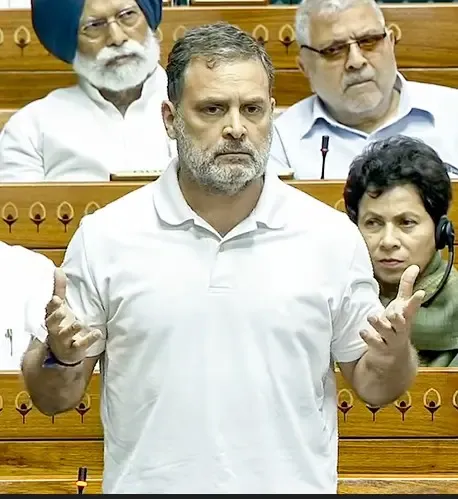
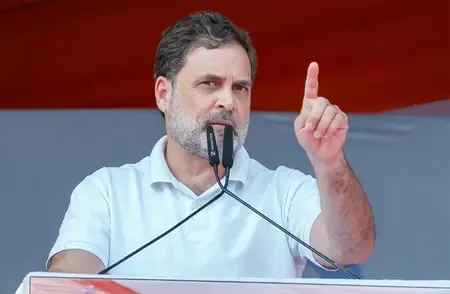
New Delhi, March 5 (NationPress) The Leader of Opposition in the Lok Sabha, Rahul Gandhi, expressed his worries on Thursday regarding the intensifying tensions in West Asia and their possible repercussions for India. He emphasized that the nation's energy security is under threat and called for strong leadership during these uncertain global times.
In a statement shared on X, Gandhi indicated that the world has entered a “volatile phase”, warning that “stormy seas lie ahead”.
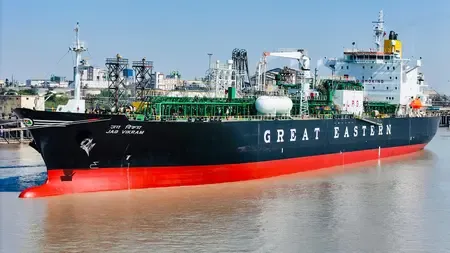
He pointed out that India heavily relies on energy imports, with over 40 percent of the nation’s oil supplies passing through the Strait of Hormuz, rendering them susceptible to the escalating tensions in the area. The situation is particularly critical for LPG and LNG supplies.
“The conflict has reached our doorstep, with an Iranian warship sunk in the Indian Ocean. Yet, the Prime Minister has remained silent,” Gandhi stated in his post.
He highlighted that during such a pivotal moment, India needs “a steady hand at the wheel” to steer through geopolitical and economic hurdles.
In a pointed critique of PM Narendra Modi, Gandhi claimed that the country has a “compromised PM who has surrendered our strategic autonomy”, asserting that a robust and independent foreign policy leadership is crucial for protecting national interests.
These comments come in light of rising tensions following the sinking of the Iranian frigate IRIS Dena—which had recently taken part in the Milan naval exercise in India—by a U.S. strike. Iran has labeled the incident an “atrocity at sea,” while Washington has taken responsibility.
The event has raised alarms about security in essential maritime routes, which are crucial for India's oil and gas imports.
Experts observe that the ongoing crisis surrounding the Strait of Hormuz has unveiled the vulnerability of energy-importing nations like India at a critical time. With fertilizer supplies, LNG flows, and crude shipments facing strain just before the vital planting season, the risks extend beyond fuel prices to food security and inflation.
Point of View
It is crucial to consider the implications for India's energy security and the need for effective leadership at this juncture. The situation calls for a balanced approach, ensuring national interests are safeguarded amidst global uncertainties.
NationPress
27 Sept 2026
Frequently Asked Questions
What did Rahul Gandhi say about India's energy security?
Rahul Gandhi expressed concerns that escalating tensions in West Asia threaten India's energy security, emphasizing the need for decisive leadership.
How much of India's oil supply passes through the Strait of Hormuz?
Over 40% of India's oil supplies transit through the Strait of Hormuz, making them vulnerable to regional conflicts.
What recent incident heightened tensions in the Indian Ocean?
The sinking of the Iranian frigate IRIS Dena by a US strike has heightened tensions and raised concerns about maritime security in the region.
What does Gandhi suggest is necessary for India during this crisis?
Gandhi stresses the need for a 'steady hand at the wheel' to navigate the geopolitical and economic challenges facing India.
What are the potential implications of the ongoing crisis?
The crisis could affect not only fuel prices but also food security and inflation in India as key supplies face strain.