J&K CM Omar Abdullah Calls for Diplomatic Action to Resolve West Asia Conflict
Synopsis
In a compelling address, J&K Chief Minister Omar Abdullah urged Prime Minister Modi to leverage India's diplomatic influence to end the humanitarian crisis in West Asia. He emphasized the direct impact on India and the urgent need for action to alleviate suffering in the region.
Key Takeaways
Omar Abdullah urges PM Modi to use diplomacy to end the West Asia conflict.
Conflict is a significant humanitarian crisis impacting Indian nationals.
Emphasis on India’s diplomatic influence with global powers.
Call for immediate action to alleviate human suffering.
Framing the issue as a crisis of humanity , not religion.
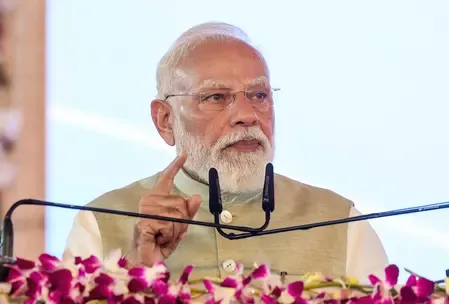
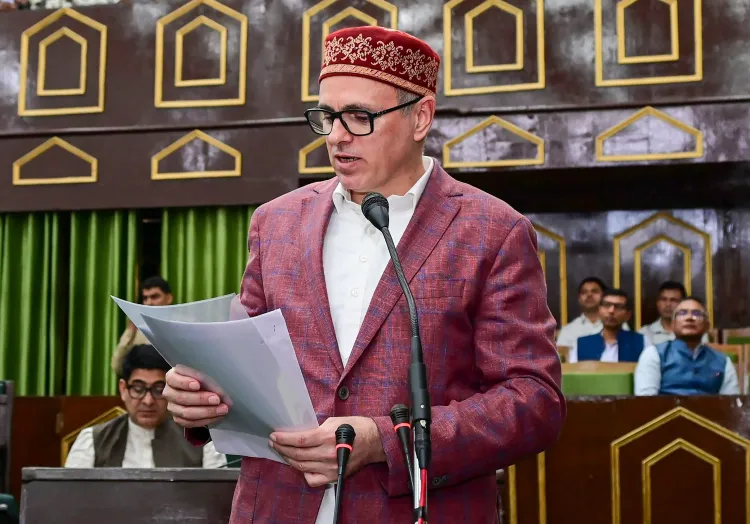
Jammu, March 27 (NationPress) Chief Minister of Jammu and Kashmir, Omar Abdullah, on Friday called upon Prime Minister Narendra Modi to utilize India's diplomatic influence to bring an end to the ongoing war in West Asia.
He emphasized that the conflict represents a significant humanitarian crisis that directly affects India. Abdullah urged PM Modi to take advantage of India's robust diplomatic ties with prominent global powers to address the ongoing turmoil in West Asia and reduce the human suffering in the region.
His comments were made during the ongoing Budget Session of the Assembly, where he highlighted the escalating conflict in the Middle East, which has impacted countless lives across the region and beyond.
Highlighting the humanitarian toll, the Chief Minister pointed out that while international discussions often pivot around regime changes, strategic concerns like the Strait of Hormuz, and increasing oil prices, there remains a disconcerting lack of focus on the ongoing hardships faced by individuals in Iran in recent weeks.
He stressed that the crisis has direct repercussions for India, with many Indian nationals, including those from Jammu and Kashmir, currently stranded in Iran.
Additionally, he mentioned the noticeable consequences at home, such as extended lines at fuel stations and the emotional strain experienced by citizens.
"As representatives of the populace, we have every right to voice our concerns in this Assembly," he declared, acknowledging that while the Assembly may not possess the power to halt the war, India's diplomatic stature offers it a distinctive opportunity to aid in restoring peace.
Abdullah referenced India's relationships with nations such as the United States, Israel, Iran, and other regional authorities, expressing confidence in the Central Government's capacity to play a constructive role. He encouraged making an appeal to the Prime Minister to utilize these international relationships and diplomatic channels to expedite the resolution of the conflict.
Furthermore, he stated that concluding the war would not only alleviate the suffering of those in affected areas but also foster peaceful coexistence among nations.
The Chief Minister vehemently condemned what he characterized as an "unjust and illegal war imposed on Iran" and extended condolences to the families of those who have lost their lives in the conflict, including Supreme Leader Ayatollah Ali Khamenei and his associates.
Reiterating his plea, he insisted that the Indian government must exert all possible efforts to promptly end the war, asserting that "the sooner it concludes, the greater the benefit for humanity."
He framed the issue as a humanitarian crisis rather than a religious conflict, stating, "It is not a single religion that is suffering — it is humanity that is suffering."
He concluded by expressing confidence that the entire Jammu and Kashmir Assembly would rally behind any initiative by India to contribute meaningfully to ending the conflict.
Point of View
The appeal by J&K CM Omar Abdullah to Prime Minister Modi highlights the urgency of a diplomatic resolution to the conflict in West Asia. The humanitarian implications are profound, affecting both regional stability and the lives of many Indians. A balanced approach is necessary to address the complexities of this crisis while prioritizing humanitarian needs.
NationPress
16 Oct 2026
Frequently Asked Questions
What is the current situation in West Asia?
The situation in West Asia is characterized by ongoing conflict that has resulted in significant humanitarian crises, impacting numerous lives and causing widespread suffering.
How does the conflict in West Asia affect India?
The conflict directly affects India, as many Indian citizens, including those from Jammu and Kashmir, are stranded in the region, alongside economic implications such as rising oil prices.
What did Omar Abdullah propose to PM Modi?
Omar Abdullah urged PM Modi to utilize India's strong diplomatic relations with key global powers to help bring an end to the conflict and alleviate human suffering.
What are the humanitarian concerns raised by Abdullah?
Abdullah highlighted the ongoing suffering of the Iranian people and the broader humanitarian crisis that has emerged from the conflict.
What is the potential benefit of ending the war?
Ending the war would not only reduce suffering in the affected regions but also pave the way for peaceful coexistence among nations.