CM Sukhu Flags 10% O&M Allocation for HP Infrastructure
Synopsis
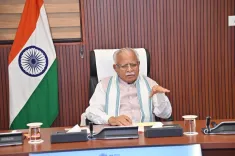
Chief Minister Sukhvinder Singh Sukhu has cited a 10 percent earmark for operation and maintenance of infrastructure assets in Himachal Pradesh, reinforcing the state's push to sustain newly built public works amid the terrain challenges of a Himalayan state.
Key Takeaways
The Chief Minister's Office of Himachal Pradesh posted on 14 July 2026 citing CM Sukhvinder Singh Sukhu on infrastructure maintenance.
CM Sukhu referenced a 10 percent allocation specifically for sanchalan evam rakharakhav (operation and maintenance) of infrastructure assets.
The norm aligns with the upper end of the 5–10 percent O&M range recommended under several centrally sponsored infrastructure schemes.
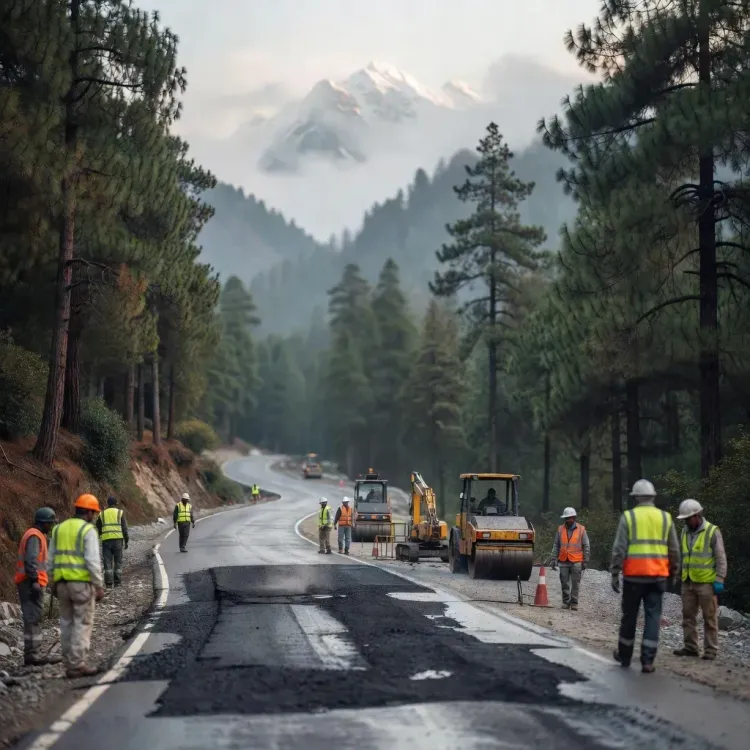
Himachal Pradesh's difficult Himalayan terrain makes sustained maintenance funding critical to prevent rapid deterioration of roads and public works.
The Public Works Department (PWD) is expected to be the primary agency through which any formalised O&M directive is implemented.
Details of how the 10 percent norm will be operationalised are expected in the next state budget or PWD circulars.
The Chief Minister's Office of Himachal Pradesh posted on X (formerly Twitter) on 14 July 2026, citing Chief Minister Thakur Sukhvinder Singh Sukhu on a 10 percent earmark for operation and maintenance of infrastructure assets in the state.
Context
The post, shared from the official @CMOFFICEHP handle, quotes Chief Minister Sukhu stating that 10 percent of project outlays should be directed toward sanchalan evam rakharakhav (operation and maintenance). While the specific scheme or project referenced in the post has not been independently detailed, the statement signals a continued policy emphasis on sustaining newly built infrastructure assets across the state.
Himachal Pradesh, a northern Himalayan state, faces persistent challenges in maintaining roads, bridges, and public works due to its rugged terrain, seasonal landslides, and heavy monsoon activity. Dedicated O&M provisions have therefore been a recurring theme in state governance discussions since the Congress government took office in December 2022.
Policy Backdrop
Indian state governments are widely advised — and in several centrally sponsored schemes, mandated — to ring-fence between 5 and 10 percent of capital project costs for ongoing operation and maintenance. The logic is straightforward: infrastructure that is built but not maintained deteriorates rapidly, negating the original investment.
Himachal Pradesh state budgets since 2022 have progressively stressed dedicated O&M provisions, particularly for road networks, irrigation works, and public buildings. Chief Minister Sukhu's reference to a 10 percent allocation aligns with the upper end of this standard range, suggesting the state is targeting a more robust maintenance framework rather than a minimal compliance posture.
The Public Works Department (PWD) of Himachal Pradesh is the primary implementing agency for the bulk of the state's infrastructure portfolio, and any formalised O&M directive would flow through its circulars and budget heads.
Stakeholders and Impact
The communities most directly affected by this policy direction are hill districts whose connectivity depends on roads and bridges that are routinely damaged by landslides and floods. Reliable O&M funding means faster repairs and fewer prolonged road closures that isolate villages and disrupt supply chains.
The state PWD stands to receive more predictable annual maintenance budgets if the 10 percent norm is institutionalised, reducing its dependence on ad hoc emergency allocations after every monsoon season. Contractors and local engineers engaged in routine upkeep work would also see steadier demand.
What's Next
The operationalisation of this 10 percent O&M norm will likely be reflected in the next Himachal Pradesh state budget or in fresh PWD circulars. Observers will watch whether the allocation is applied uniformly across all new infrastructure projects or limited to specific categories such as roads and irrigation.
If formalised, the move could serve as a model for other hill states grappling with the same maintenance deficit, reinforcing the broader national push to treat infrastructure upkeep as a non-negotiable budget line rather than an afterthought.
Point of View
Where every monsoon exposes the fragility of infrastructure, institutionalising maintenance budgets is both a fiscal discipline signal and a political one — it pre-empts opposition criticism of 'build and abandon' governance. The move also tracks with central government nudges to states to embed O&M costs upfront in project design. Whether the norm becomes binding policy or remains an aspirational statement will be the real test of its significance.
NationPress
14 Jul 2026
Frequently Asked Questions
What is the 10 percent O&M allocation announced by CM Sukhu for Himachal Pradesh?
Chief Minister Sukhvinder Singh Sukhu has cited a 10 percent earmark of infrastructure project outlays for operation and maintenance, aimed at ensuring that newly built assets such as roads and public works are sustainably maintained over time.
Why does Himachal Pradesh need a dedicated operation and maintenance fund?
Himachal Pradesh's Himalayan terrain makes infrastructure highly vulnerable to landslides, floods, and seasonal damage. Without a dedicated O&M budget, roads and bridges deteriorate rapidly, isolating hill communities and eroding the value of capital investments.
Who is Sukhvinder Singh Sukhu?
Sukhvinder Singh Sukhu is the Chief Minister of Himachal Pradesh from the Indian National Congress, who took office in December 2022 .
What is the standard O&M allocation norm for infrastructure projects in India?
Indian state governments and centrally sponsored schemes typically recommend or mandate between 5 and 10 percent of project costs for operation and maintenance. CM Sukhu's cited figure of 10 percent is at the upper end of this range.
Which department in Himachal Pradesh handles infrastructure maintenance?
The Public Works Department (PWD) of Himachal Pradesh is the primary agency responsible for maintaining the state's roads, bridges, and public buildings, and would be the key implementer of any formalised O&M allocation directive.