CM Sukhu Pitches Himachal Pradesh as Investment Hub

Synopsis
Chief Minister Sukhvinder Singh Sukhu has reiterated his government's resolve to make Himachal Pradesh a premier investment and innovation destination, citing industry-friendly policies, transparent governance, and infrastructure development as the three pillars of this economic strategy.
Key Takeaways
CM Thakur Sukhvinder Singh Sukhu reaffirmed on June 11, 2026 , that Himachal Pradesh is being developed as a leading centre for investment, innovation, and job creation.
The government's strategy rests on three pillars: an industry-friendly environment , transparent policies , and better infrastructure .
The Sukhu government , in power since December 2022 , has prioritised industrial policy reform and ease-of-doing-business improvements.
Key stakeholders include potential investors , local youth , and MSMEs operating in or eyeing the hill state.
The push aligns with national frameworks like Make in India and Atmanirbhar Bharat , positioning Himachal Pradesh as a competitive investment destination among northern states.
The Chief Minister's Office of Himachal Pradesh on Thursday, June 11, 2026, shared a statement from Chief Minister Thakur Sukhvinder Singh Sukhu reaffirming the state government's commitment to transforming Himachal Pradesh into a leading destination for investment, innovation, and employment generation.
Context
In the post, CM Sukhu stated — 'hum udyog-anukul vatavaran, pardarshi neetiyon aur behtar aadharabhoot suvidhaon ke madhyam se Himachal Pradesh ko nivesh, navachar aur rozgar srijan ka agrani kendra banane ke liye lagatar karya kar rahe hain' — which translates as: 'We are continuously working to make Himachal Pradesh a leading centre for investment, innovation, and employment generation through an industry-friendly environment, transparent policies, and better infrastructure.'
The statement signals a sustained push by the Congress-led Sukhu government, which took office in December 2022, to reposition the hill state's economic identity beyond its traditional pillars of hydropower, tourism, and horticulture.
Policy Backdrop
Since assuming power, the Sukhu administration has prioritised updating industrial policies and improving ease-of-doing-business parameters for Himachal Pradesh. The messaging aligns closely with national frameworks such as Make in India and Atmanirbhar Bharat, which encourage states to compete on transparency, logistics, and investor-friendly governance.
Hilly states face structural disadvantages — difficult terrain, constrained land availability, and connectivity gaps — that make repeated emphasis on infrastructure and policy clarity a recurring feature of their economic outreach. The government's three-pronged focus on an industry-friendly climate, transparent policymaking, and improved infrastructure directly addresses these chronic bottlenecks.
Stakeholders and Impact
The primary beneficiaries of such a policy thrust would be potential investors eyeing the state's renewable energy, pharmaceutical, and agro-processing sectors, alongside local youth seeking formal employment in an economy historically dominated by government jobs and seasonal work.
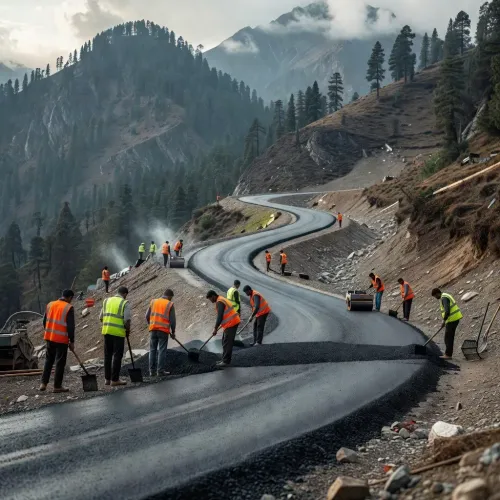
MSMEs stand to gain from a more transparent regulatory environment, which reduces compliance friction and lowers the cost of doing business in a geographically challenging state. Improved infrastructure — roads, digital connectivity, and industrial estates — is also critical to making supply chains viable for manufacturing units in the hills.
What's Next
Observers will watch for concrete follow-through in the form of revised industrial land policies, new investor-summit announcements, or state budget provisions later in 2026 that translate this stated intent into measurable targets and allocations.
If the government backs the rhetoric with specific scheme notifications and infrastructure timelines, Himachal Pradesh could sharpen its competitive edge among northern Indian states vying for post-pandemic investment flows. The credibility of this positioning will ultimately rest on verifiable improvements in ease-of-doing-business rankings and actual job creation numbers.
Point of View
Transparency, and infrastructure is textbook investment-outreach language, but for a hilly state like Himachal Pradesh, it also doubles as an acknowledgement of structural weaknesses that previous governments struggled to address. The Congress government appears to be building a narrative arc ahead of what could be a major investor summit or budget cycle later in 2026. Whether the rhetoric translates into binding policy notifications and measurable outcomes will determine if this messaging moves beyond optics.
NationPress
19 Sept 2026
Frequently Asked Questions
What is CM Sukhu's plan for investment in Himachal Pradesh?
CM Sukhvinder Singh Sukhu has outlined a plan to make Himachal Pradesh a leading investment hub by creating an industry-friendly environment, ensuring transparent policies, and upgrading infrastructure to attract investors and generate employment.
Which sectors are targeted for investment in Himachal Pradesh?
Himachal Pradesh's economy has traditionally relied on hydropower, tourism, and horticulture. The Sukhu government is now seeking to expand into manufacturing, renewable energy, pharmaceuticals, and agro-processing to diversify the state's economic base.
How is Himachal Pradesh improving ease of doing business?
Since December 2022, the Sukhu administration has worked on updating industrial policies and reducing regulatory friction, aligning with national Make in India and Atmanirbhar Bharat frameworks to improve the state's ease-of-doing-business standing.
What challenges does Himachal Pradesh face in attracting investment?
As a hilly state, Himachal Pradesh faces structural challenges including difficult terrain, limited flat land for industrial estates, and connectivity gaps that raise logistics costs — issues the government is specifically targeting through infrastructure investment.
When did Sukhvinder Singh Sukhu become Chief Minister of Himachal Pradesh?
Thakur Sukhvinder Singh Sukhu became Chief Minister of Himachal Pradesh in December 2022, following the Congress party's victory in the state assembly elections.