Economic Turmoil in Gulf Could Impact India's $10B Remittances

Synopsis
India's remittance inflows are at risk of a decline of up to $10 billion due to ongoing economic disruptions in the Gulf region, warns Chief Economic Advisor V. Anantha Nageswaran. This could have significant repercussions for the Indian economy, especially given the critical role of these remittances.
Key Takeaways
India's remittance inflows could decline by up to $10 billion due to Gulf economic disruptions.
Approximately 50% of India's remittances come from the Gulf region.
Geopolitical tensions and economic slowdowns are key risks.
India has a strong macroeconomic foundation to weather these challenges.
The Gulf Cooperation Council countries play a crucial role in India's workforce.
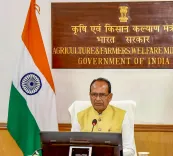
Washington, April 15 (NationPress) The inflow of remittances to India may face significant challenges if the economic turmoil in the Gulf region continues, with Chief Economic Advisor V. Anantha Nageswaran estimating potential losses to be as high as $10 billion. On Wednesday, during his address at the US-India Economic Forum 2026, Nageswaran emphasized how geopolitical tensions and economic slowdowns in major host countries can jeopardize remittance flows.
In the fiscal year 2024–25, India received approximately $124 billion in remittances, establishing itself as one of the leading recipients in the world. Notably, around half of these funds originated from Indian expatriates residing in the Gulf region.
“Should the restoration of normal economic activities take longer than expected, we should be prepared for some impact on remittances from Gulf workers,” he stated.
The estimated impact could vary between $5 billion and $10 billion, contingent on the length and severity of the economic disruption.
According to Nageswaran, the risks are associated with multiple factors, such as the repatriation of workers due to ongoing conflicts, reduced economic activity in host nations, and uncertainties surrounding employment conditions.
The Gulf region remains a vital hub for Indian migrant workers, particularly in industries like construction, services, and energy. A prolonged disruption might lead to diminished earnings and delayed returns to work for these employees.
This concern arises amidst broader global uncertainties that are impacting trade, energy sectors, and capital flows. Nageswaran pointed out that remittances represent one of four crucial channels through which external shocks could affect India's economy.
Despite these risks, he reassured that India's external sector is robust, buoyed by substantial foreign exchange reserves and a diversified inflow of funds.
“We are approaching this situation with a very strong macroeconomic foundation,” he said.
India boasts the largest diaspora globally, with millions of citizens employed abroad. The Gulf Cooperation Council nations account for a significant portion of this workforce, underscoring the importance of the region in India's remittance landscape.
Point of View
It is essential to monitor how these changes may affect the broader economy. The resilience demonstrated by India's external sector is noteworthy, yet vigilance is needed as global uncertainties continue.
NationPress
21 Sept 2026
Frequently Asked Questions
What is the estimated impact on India's remittances?
The potential impact on India's remittances could range from $5 billion to $10 billion, depending on the duration and severity of economic disruptions in the Gulf region.
How much did India receive in remittances for 2024-25?
India received approximately $124 billion in remittances in the fiscal year 2024-25.
What factors are contributing to the risk of declining remittances?
The risks stem from factors like the return of workers due to conflict, slower economic activity in host countries, and uncertainties surrounding employment conditions.
Why is the Gulf region significant for Indian workers?
The Gulf region is a key destination for Indian migrant workers, particularly in sectors such as construction, services, and energy, contributing significantly to India's remittance inflows.
How is India's external sector performing amidst these risks?
Despite the potential risks, India's external sector remains resilient, supported by strong foreign exchange reserves and diversified inflows.