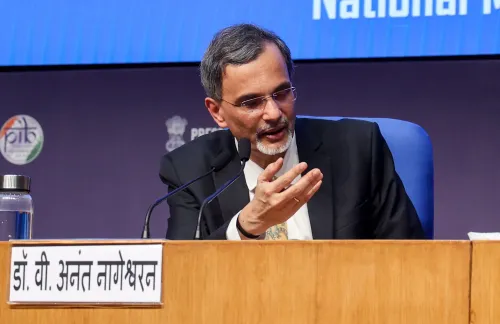
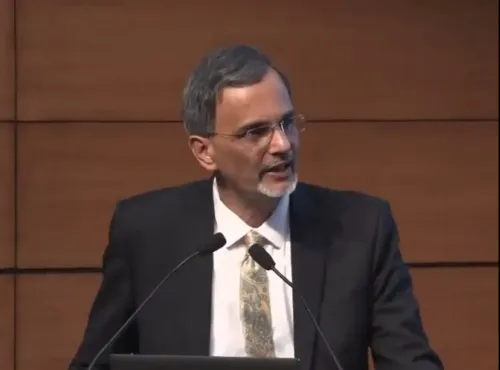
Leveraging the West Asia Crisis: A Call for Economic Reforms in India by CEA Nageswaran

Synopsis
In light of the ongoing West Asia conflict, Chief Economic Advisor V. Anantha Nageswaran urges India to seize this opportunity to enhance its economic reforms, ensuring the nation remains competitive and prepared for future challenges.
Key Takeaways
Need for an entrepreneurial mindset in India’s bureaucracy.
Four main channels of impact from the West Asia conflict.
Immediate relief for vulnerable businesses and households is crucial.
Trade deficit is projected to widen significantly.
Central bank's response is essential in managing inflation and demand.
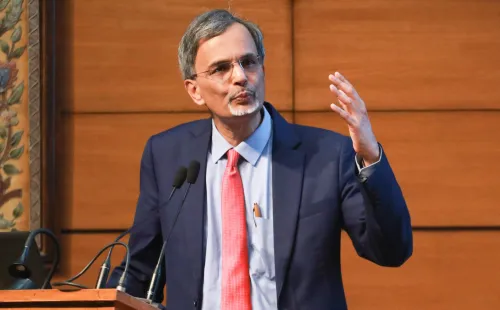
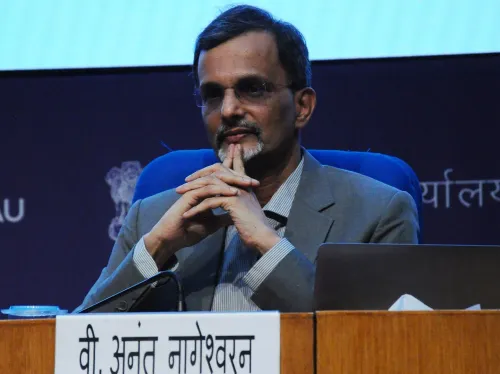
New Delhi, March 28 (NationPress) Chief Economic Advisor V. Anantha Nageswaran emphasized on Saturday that in light of the significant repercussions of the West Asia conflict on India’s economy, the nation must capitalize on this situation to intensify its reform initiatives aimed at boosting India’s competitiveness and readiness.
The necessity for an "entrepreneurial mindset" within the bureaucracy, coupled with expedited decision-making processes, is essential for India to emerge from this crisis stronger, more resilient, and increasingly competitive, as stated by Nageswaran in the Finance Ministry’s recent economic review.
He outlined that the conflict's repercussions on India will manifest through four main channels: disruptions in the supply of oil, gas, and fertilizers, as well as impacts on exports; escalated import costs; increased logistics expenses (including freight and insurance); and a potential decline in remittances from Indians working in Gulf nations.
“The cumulative effects from these channels on economic growth, inflation, fiscal stability, and external balances are expected to be substantial,” he indicated.
Immediate relief measures must be provided to the most impacted and vulnerable businesses and households, while also creating fiscal space to address the strategic and long-term requirements highlighted by this conflict, such as establishing long-term reserves for various commodities and materials, not solely energy-related ones, according to the CEA.
This necessitates a re-evaluation of spending priorities and targeted assistance for the most affected entities.
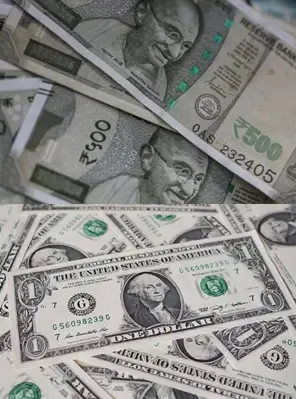
In the fiscal year 2024-25, India’s merchandise trade deficit surpassed $280 billion, representing approximately 7.5% of GDP. The trade deficit is projected to widen significantly in FY27, escalating the current account deficit.
“To keep it under control, there needs to be a shared responsibility between the government, through fiscal contributions, and households and businesses. The pass-through of increased import prices to consumers will also temper demand growth, thereby alleviating pressure on the current account,” Nageswaran explained.
A moderation in demand will assist the central bank in addressing the appropriate monetary policy response to shocks induced by the conflict. If demand decreases in response to rising prices, the central bank is likely to view the inflationary effects as a supply shock.
“Otherwise, it may have to monitor for second-round effects of higher import costs on inflation and respond accordingly. Elevated interest rates burden the entire economy, whereas the pass-through of material costs predominantly impacts specific consumers,” he remarked.
This decade has witnessed successive global shocks that have left the world economy marked by heightened uncertainty and increasing fragility.
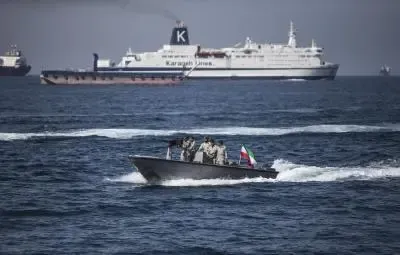
The escalation of tensions in West Asia since late February 2026 has further disrupted the region, impacting the Strait of Hormuz, a crucial maritime chokepoint that facilitates around one-fifth of global seaborne oil trade, along with substantial quantities of LNG and fertilizers.
Point of View
Shaped by international tensions, calls for a national strategy focused on resilience and adaptability. Chief Economic Advisor Nageswaran’s insights offer a pragmatic approach to harness these challenges for enhanced competitiveness.
NationPress
23 Sept 2026
Frequently Asked Questions
What are the key impacts of the West Asia conflict on India's economy?
The key impacts include supply disruptions in oil, gas, and fertilizers, increased import prices, higher logistics costs, and potential declines in remittances from Gulf countries.
How should India respond to these economic challenges?
India should prioritize immediate relief for vulnerable sectors while generating fiscal space to address long-term strategic needs.
What is the current state of India's trade deficit?
India's merchandise trade deficit exceeded $280 billion in 2024-25, accounting for approximately 7.5% of GDP, with expectations of a significant rise in FY27.
What role does the central bank play in this situation?
The central bank must navigate the monetary policy response to inflation impacts while considering demand moderation due to increased prices.
What is the significance of the Strait of Hormuz in this context?
The Strait of Hormuz is a critical maritime chokepoint for global oil trade, and disruptions here can have widespread economic repercussions.