Indian Government Prioritizes Citizens' Safety and Energy Security Amid West Asia Crisis
Synopsis
As tensions escalate in West Asia, the Indian government is prioritizing the safety of its citizens while ensuring uninterrupted energy supplies. With strategic plans in place, it aims to bolster self-reliance and support affected families, illustrating a comprehensive approach to the crisis.
Key Takeaways
Safety of over 375,000 repatriated Indians is prioritized.
High refinery capacity ensures adequate fuel supply.
Government actively combats hoarding and black marketing.
Indian seafarers in the Persian Gulf remain safe.
Support for farmers and vulnerable populations is ongoing.
New Delhi, March 25 (NationPress) In light of the ongoing crisis in West Asia, the Indian government is fully committed to ensuring the protection of Indians in affected areas, securing gas and fuel supplies, implementing long-term energy security strategies, and promoting self-reliance across various sectors.
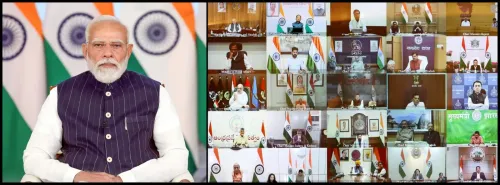
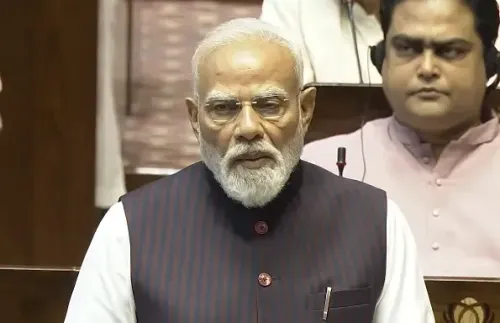
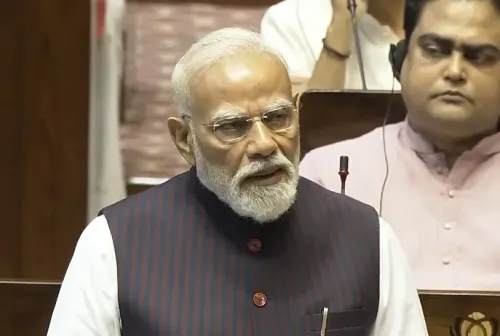
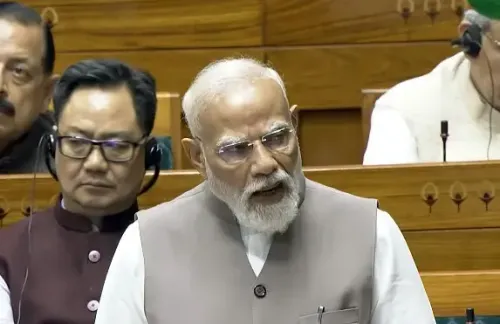
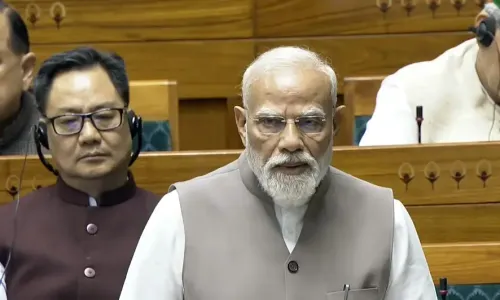
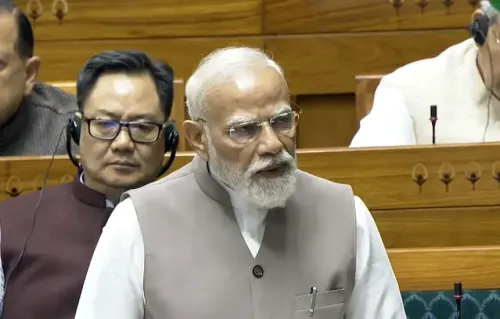
Prime Minister Narendra Modi has communicated to the Rajya Sabha that the government's primary focus is the safety of its citizens. Over 375,000 Indians have been evacuated from the conflict zones, including more than 700 medical students from Iran, with the government providing all necessary support and medical assistance to the impacted families.
Additionally, the Prime Minister has personally engaged in discussions with leaders from several West Asian countries, maintaining ongoing communication with Gulf nations, Iran, Israel, and the United States to facilitate peace talks. These conversations emphasize de-escalation and the reopening of the Strait of Hormuz.
India has firmly condemned attacks on civilians, critical infrastructure, and energy transportation systems, labeling such actions as unacceptable, and has urged all involved parties to pursue a peaceful resolution.
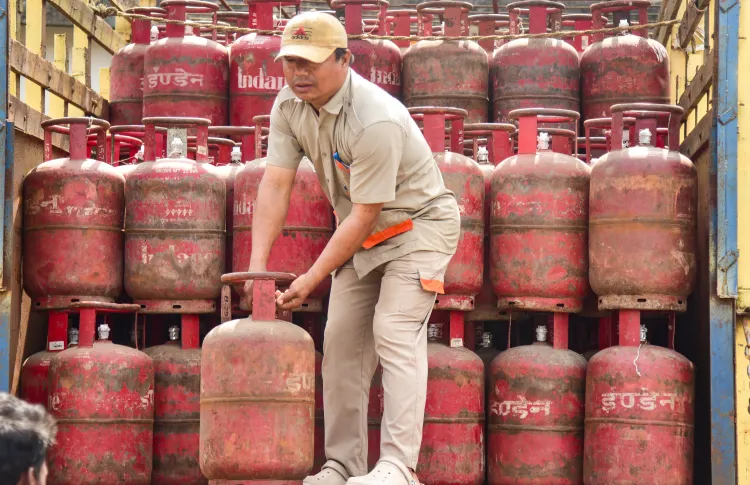
Importantly, all Indian refineries are functioning at full capacity, supported by adequate crude oil inventories. Domestic LPG production has risen, and stocks of petrol and diesel are sufficient. Any panic buying observed in certain regions is fueled by unfounded rumors that the government has actively dispelled.
The government has ensured that vessels transporting crude oil and LPG have arrived from various nations and is diligently working on contingency plans to maintain a steady supply chain.
In parallel, India has broadened its crude, LNG, and LPG import sources from 27 to 41 countries, established strategic petroleum reserves exceeding 5.3 million tonnes (with plans to increase to 6.5 million tonnes), and improved refining capacity. The government is also advocating for piped natural gas (PNG) alongside LPG and boosting domestic LPG production.
To decrease reliance on foreign shipping and imports, a substantial Rs 70,000-crore 'Made-in-India' shipbuilding initiative has been launched, enhancing shipbuilding, ship-breaking, and maintenance capabilities; similar efforts have been made to fortify the defense sector for domestic weapon manufacturing.
Prime Minister Modi has also guaranteed that sufficient fertilizer supplies are in place to protect farmers from the impacts of the crisis. States have been advised to continue benefits like the PM Garib Kalyan Anna Yojana for the disadvantaged, laborers, and migrant workers while taking action against hoarders.
The government is prioritizing gas supply to restaurants, dhabas, canteens, and migrant laborers by reinstating 20 percent of commercial LPG supply and subsequently raising allocations to ensure a total of 50 percent commercial LPG supply to States and Union Territories.
Critical sectors continue to receive 100 percent domestic PNG and CNG supplies, while industrial and commercial consumers are receiving approximately 80 percent of their normal gas requirements. Over 7,500 PNG connections were activated in a single day.
In a strict crackdown on hoarding and black marketing, states are empowered under the Essential Commodities Act and LPG Control Order to address malpractices. Control rooms have been established in 32 States and Union Territories, with 33 districts forming monitoring committees.
Enforcement agencies have carried out around 3,400 raids, seized approximately 1,000 cylinders, registered 642 FIRs, and arrested 155 individuals, while PSU Oil Marketing Companies have conducted over 1,500 surprise inspections.
Regarding maritime safety, all Indian seafarers in the Persian Gulf are safe, with no incidents reported involving Indian-flagged vessels. Two Indian LPG carriers — Pine Gas and Jag Vasant — have successfully navigated the Strait of Hormuz and are headed toward Indian ports.
The Directorate General of Shipping is supervising 20 Indian-flagged vessels with about 540 seafarers onboard, operating a 24×7 control room, and has already facilitated the repatriation of over 585 seafarers. Indian ports have expanded storage facilities and continue cargo operations seamlessly.
Meanwhile, the Ministry of External Affairs and Indian missions are maintaining 24×7 helplines, collaborating with community organizations, and facilitating visa processes. Since February 28, approximately 402,000 passengers have returned to India.
Flights continue to operate from the UAE, Saudi Arabia, Oman, and Qatar, with alternative routes through Saudi Arabia and Armenia/Azerbaijan/Jordan assisting Indians in Kuwait, Bahrain, Iran, and Israel.
Point of View
The government's proactive measures in safeguarding its citizens and ensuring energy security amid the West Asia crisis reflect a responsible and strategic approach. This commitment to self-reliance and comprehensive support for affected families demonstrates a strong 'nation-first' ethos.
NationPress
19 Sept 2026
Frequently Asked Questions
What actions is the Indian government taking for citizens in conflict zones?
The Indian government has repatriated over 375,000 citizens, including medical students, and is providing necessary support and medical care to affected families.
How is India ensuring energy security during the crisis?
India has maintained high refinery capacities, diversified crude imports from 41 countries, and built strategic petroleum reserves while promoting domestic LPG production.
What measures are in place against hoarding and black marketing?
States are empowered to act under the Essential Commodities Act and have set up control rooms and monitoring committees to combat malpractices.
Are Indian seafarers safe in the Persian Gulf?
Yes, all Indian seafarers in the Persian Gulf are reported safe, with no incidents involving Indian-flagged vessels.
What support is being provided to farmers during this crisis?
The government has ensured adequate fertilizer supplies and urged states to continue benefits for the poor, laborers, and migrant workers.