Is the Weakness of the Rupee in Line with Other Emerging Market Currencies?
Synopsis
Chief Economic Adviser V. Anantha Nageswaran discusses the current state of the Indian rupee, asserting that its weaknesses mirror those of other emerging markets. He emphasizes the strength of India's fundamentals and the potential for recovery through ongoing reforms and growth in exports. This insightful analysis sheds light on the broader economic landscape.
Key Takeaways
Indian rupee's weakness is consistent with trends in other emerging markets.
Robust economic fundamentals are crucial for attracting investors.
Continued structural reforms will enhance perceptions of the rupee.
Geopolitical tensions and rising bullion prices are key challenges.
Domestic capacity building is vital in the current global landscape.
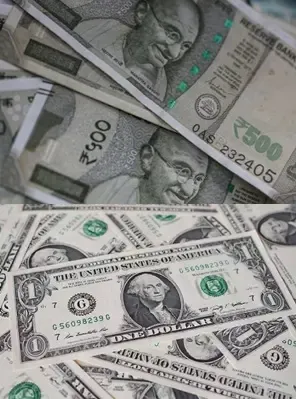
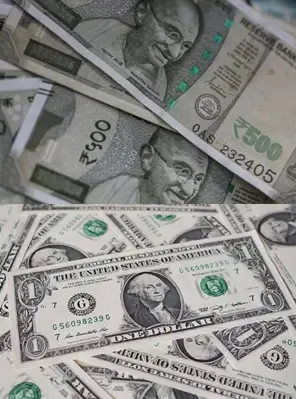
New Delhi, Jan 29 (NationPress) Chief Economic Adviser V. Anantha Nageswaran stated on Thursday that the Indian rupee's weakness against the US dollar aligns with trends seen in other emerging market currencies, which are similarly affected by ongoing geopolitical uncertainties.
In response to a question posed by IANS in the national capital, Nageswaran emphasized that as the fundamentals remain robust, investors are likely to reassess their views on the Indian currency.
"If we persist with our structural reforms, as we have been doing over the past 12 to 18 months at both the Centre and state levels, accompanied by continued growth in Indian exports, this will further reinforce the evolving perceptions regarding the Indian rupee," noted the CEA.
In the short term, while some factors may lie beyond our control, Nageswaran pointed out that "the rupee not reflecting macro-fundamentals and the sustained growth rate will definitely attract investors' attention, leading to a potential turnaround." This statement was made during a press conference following the tabling of the Economic Survey 2025-26 by Finance Minister Nirmala Sitharaman.
On Thursday, the rupee traded slightly lower at around 91.94, down 0.12, as the markets exhibited caution ahead of the upcoming Union Budget scheduled for February 1. The currency is facing pressure from rising bullion prices, which are inflating the import bill, alongside ongoing selling by Foreign Institutional Investors (FIIs) in domestic equities.
Nageswaran further underscored the need for countries to prioritize domestic capacity building, resilience in supply chains, and strategic importance within global value chains amidst a landscape characterized by trade fragmentation and geopolitical tensions.
"We are not inherently wealthy, but we can achieve prosperity through policy," he expressed, voicing optimism that ongoing reforms and responsible engagement from the government, industry, and citizens will propel India towards its long-term developmental objectives.
Point of View
It's evident that the situation surrounding the Indian rupee requires careful observation. Nageswaran's insights reflect a balanced understanding of both domestic and global challenges. As we continue to navigate these complexities, it is essential to uphold our commitment to reforms and growth, ensuring that India remains aligned with its long-term economic objectives.
NationPress
10 Oct 2026
Frequently Asked Questions
What factors are contributing to the weakness of the Indian rupee?
The Indian rupee's weakness is influenced by geopolitical risks, rising bullion prices affecting the import bill, and ongoing selling by Foreign Institutional Investors (FIIs) in domestic equities.
How does the Indian rupee's performance compare to other emerging market currencies?
The Chief Economic Adviser noted that the weakness of the Indian rupee aligns with trends seen in other emerging market currencies, which are also facing similar geopolitical challenges.
What is the outlook for the Indian rupee in the coming months?
According to Nageswaran, as India continues its path of structural reforms and exports show growth, investor perceptions of the Indian rupee are expected to improve.
What can be done to strengthen the Indian rupee?
Strengthening the Indian rupee involves ongoing structural reforms, enhancing domestic capacity, and improving resilience in supply chains.
How are geopolitical tensions affecting the rupee?
Geopolitical tensions contribute to uncertainty in the markets, impacting investor confidence and leading to fluctuations in currency values, including the Indian rupee.