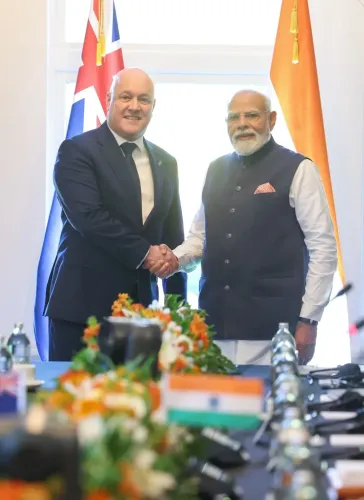
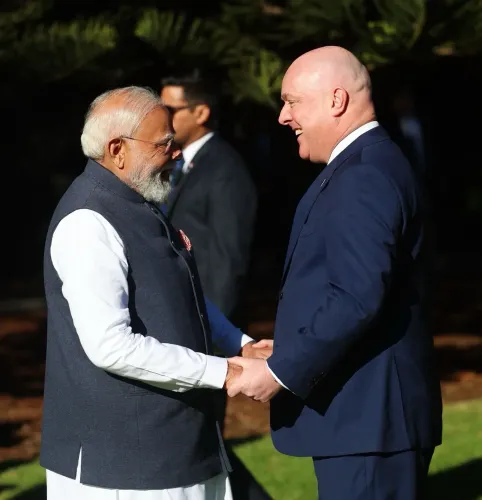
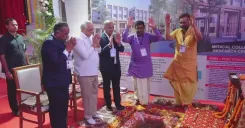
Rijiju: PM Modi joins NZ PM Luxon for Gala Lunch
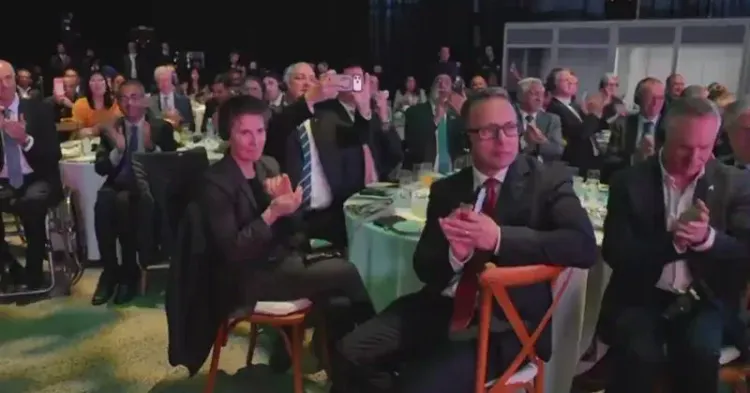
Synopsis
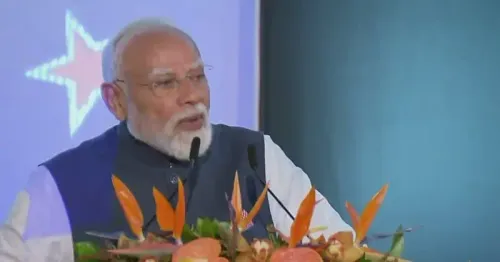
Union Parliamentary Affairs Minister Kiren Rijiju on 11 July 2026 shared a live broadcast of PM Narendra Modi participating in a gala lunch hosted by New Zealand PM Christopher Luxon, spotlighting a landmark bilateral engagement and renewed momentum in India-New Zealand diplomatic and trade ties.
Key Takeaways
PM Narendra Modi participated in a gala lunch hosted by New Zealand PM Christopher Luxon on 11 July 2026 .
Minister Kiren Rijiju broadcast the event live on X, underlining its diplomatic significance.
India and New Zealand resumed CECA negotiations in March 2022 after a decade-long pause.
PM Modi 's previous visit to New Zealand was in October 2014 , making this a rare high-level bilateral engagement.
The visit aligns with India's Act East Policy and broader Indo-Pacific outreach strategy.
The Indian diaspora in New Zealand and trade negotiators on both sides are key stakeholders watching this engagement.
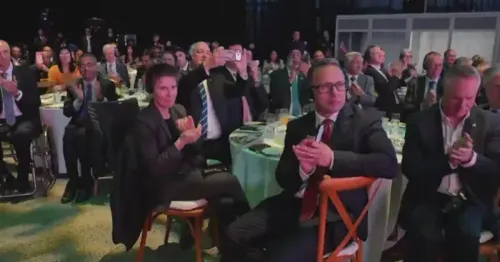
Union Parliamentary Affairs Minister Kiren Rijiju on Saturday, 11 July 2026 shared a live broadcast of Prime Minister Narendra Modi participating in a gala lunch hosted by New Zealand Prime Minister Christopher Luxon, signalling a significant moment in bilateral engagement between the two nations.
Context
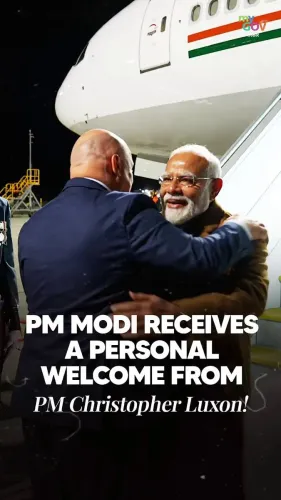
The gala lunch, hosted by New Zealand Prime Minister Christopher Luxon, marks a high-level ceremonial and diplomatic engagement during what appears to be PM Modi's visit to New Zealand. Minister Rijiju shared the live broadcast on X, drawing public attention to the event and underscoring the importance the Indian government places on this bilateral meeting. This is a notable diplomatic occasion, as PM Modi's last visit to New Zealand was in October 2014, when the two countries established a framework for upgraded strategic dialogue.
The occasion brings together two democratically elected leaders with shared interests in trade, regional stability, and people-to-people ties. The Indian diaspora in New Zealand — one of the most visible and economically active communities in that country — lends added significance to any high-level visit of this nature.
Policy Backdrop
India and New Zealand formally resumed negotiations on a Comprehensive Economic Cooperation Agreement (CECA) in March 2022, after a decade-long pause. The agreement, if concluded, would open new avenues for Indian goods, services, and professionals in the New Zealand market, while giving New Zealand exporters — particularly in agriculture and dairy — greater access to Indian consumers.
New Zealand PM Christopher Luxon, who assumed office in October 2023, has prioritised trade diversification and economic recovery, making deeper engagement with large emerging economies like India a strategic priority. India's broader Act East Policy and its Indo-Pacific outreach have consistently identified New Zealand as a like-minded partner in the region, complementing existing defence and education linkages.
Stakeholders and Impact
Trade negotiators on both sides stand to benefit from the political momentum generated by a leader-level meeting. Agreements or understandings reached at the summit level typically accelerate working-group negotiations, and a gala lunch of this nature provides the informal setting in which diplomatic signals are often exchanged. The Indian diaspora in New Zealand, numbering in the hundreds of thousands, also watches such engagements closely for signals on visa facilitation, education partnerships, and cultural exchange.
For New Zealand, deepening ties with India offers a hedge against over-reliance on any single trading partner, particularly as regional economic dynamics continue to shift. For India, the engagement furthers its multi-alignment strategy and strengthens its presence among Pacific and Indo-Pacific partners.
What's Next
Diplomatic observers will watch closely for any joint statements or announcements emerging from this visit, particularly regarding the status of CECA negotiations and any new bilateral frameworks. Further rounds of trade talks and potential follow-up bilateral meetings through the rest of 2026 are expected to be shaped by the outcomes of this high-level engagement. The political visibility given to this event by senior ministers like Rijiju suggests the Indian government views the India–New Zealand partnership as a growing priority in its foreign policy calculus.
Point of View
Leader-level warmth can serve as a critical catalyst for stalled trade talks. This engagement fits squarely within India's broader multi-alignment doctrine, ensuring that no significant democratic partner in the Pacific is left on the diplomatic backburner.
NationPress
11 Jul 2026
Frequently Asked Questions
Why did PM Modi visit New Zealand in July 2026?
PM Modi visited New Zealand in July 2026 for high-level bilateral engagements, including a gala lunch hosted by New Zealand Prime Minister Christopher Luxon, aimed at deepening diplomatic and trade ties between the two countries.
What is the India-New Zealand CECA?
The Comprehensive Economic Cooperation Agreement (CECA) is a proposed trade deal between India and New Zealand. Negotiations were formally resumed in March 2022 after a decade-long pause, with the aim of expanding market access for goods, services, and professionals on both sides.
When did PM Modi last visit New Zealand before 2026?
PM Modi's previous visit to New Zealand was in October 2014, during which the two countries established a framework for upgraded strategic dialogue.
Who is New Zealand PM Christopher Luxon?
Christopher Luxon is the Prime Minister of New Zealand, having assumed office in October 2023. He has prioritised trade diversification and economic recovery, including deepening ties with large economies like India.
What is India's Act East Policy?
India's Act East Policy is a diplomatic initiative to promote economic, strategic, and cultural ties with countries in the Asia-Pacific and Indo-Pacific regions, of which New Zealand is considered a key like-minded partner.