PM Modi, NZ PM Luxon to Boost People-to-People Ties
Synopsis
Prime Minister Narendra Modi and New Zealand PM Christopher Luxon have jointly committed to expanding cooperation in education, sports, culture, heritage and creative industries, placing people-to-people ties at the heart of the India-New Zealand bilateral relationship.
Key Takeaways
PM Modi and NZ PM Christopher Luxon jointly affirmed that people-to-people ties are the 'greatest strength' of the India-New Zealand relationship.
Both leaders pledged enhanced cooperation across five domains: education, sports, culture, heritage and creative industries .
India and New Zealand have maintained education and cultural cooperation frameworks since the early 2000s , underpinned by a significant Indian diaspora in New Zealand .
The commitment follows India's broader pattern of using people-to-people diplomacy as a soft-power complement to strategic and economic dialogues with Indo-Pacific partners.
Follow-up steps to watch include joint working groups on student exchanges and any progress on the long-pending India-New Zealand CECA negotiations.
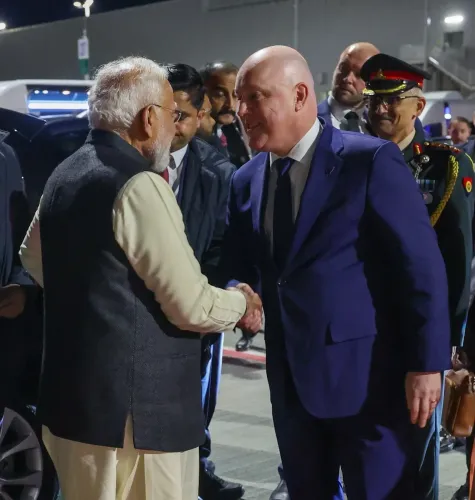
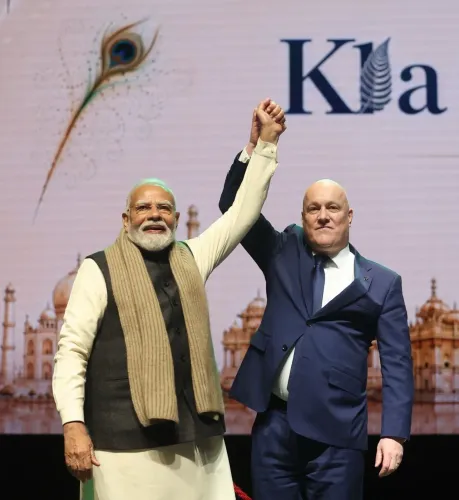
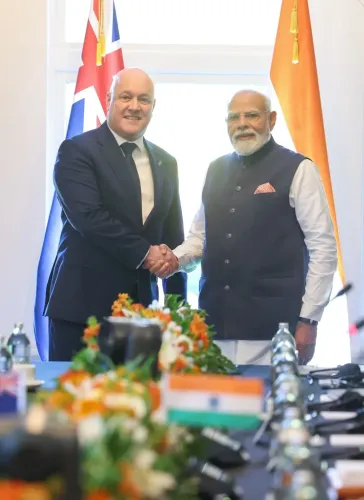
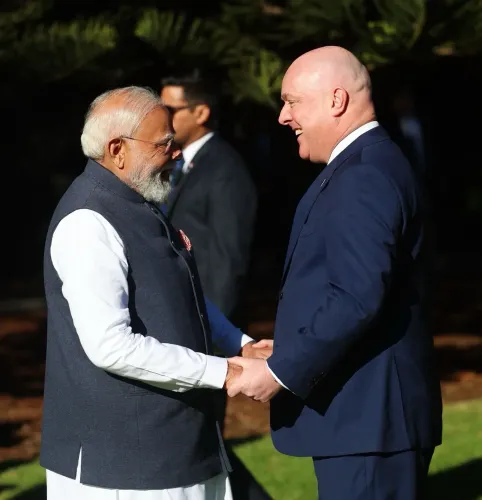
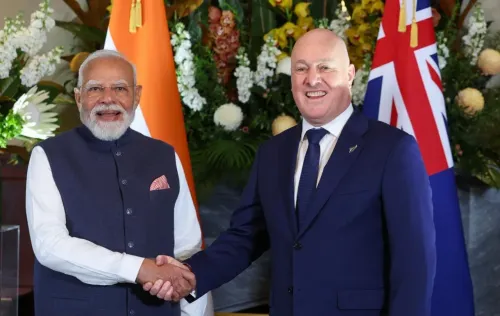
Prime Minister Narendra Modi and New Zealand Prime Minister Christopher Luxon have jointly affirmed their commitment to deepening bilateral people-to-people ties, pledging enhanced cooperation in education, sports, culture, heritage and creative industries. The declaration came on Saturday, 11 July 2026, when PM Modi shared the joint position on social media, underscoring the centrality of human connections in the India-New Zealand relationship.
Context
PM Modi stated that he and PM Luxon 'firmly believe that the greatest strength of our relationship lies in our people-to-people ties.' The remark signals a deliberate framing of the bilateral relationship around soft-power pillars rather than limiting the conversation to trade or strategic affairs. This kind of joint articulation typically follows or accompanies a formal bilateral meeting between the two leaders.
The five domains singled out — education, sports, culture, heritage and creative industries — are precisely the areas where India and New Zealand already share institutional touchpoints, including student mobility and cultural exchange frameworks that date to the early 2000s.
Policy Backdrop
India and New Zealand have maintained cooperation frameworks in education and culture for over two decades, with periodic high-level meetings reinforcing those links. New Zealand is home to a significant Indian diaspora, making people-to-people ties an organic foundation on which formal policy can be layered.
PM Luxon, who took office in late 2023, has prioritised trade, education and cultural links with Asian partners, making the current engagement consistent with Wellington's broader regional posture. India, for its part, has consistently used people-to-people contacts as a low-risk complement to economic and strategic dialogues with mid-sized Indo-Pacific partners — a pattern visible in joint statements with Australia, Canada and ASEAN countries over the past decade.
Stakeholders and Impact
The communities most directly affected by this commitment are students, artists and athletes from both countries. Expanded education cooperation could ease pathways for Indian students seeking to study in New Zealand and vice versa, while cultural and heritage initiatives could provide platforms for diaspora communities to engage with both governments.
The creative industries dimension is particularly notable, as it extends the bilateral conversation beyond traditional academic and sporting exchanges into film, music, design and digital content — sectors where both countries have growing export ambitions. A stronger institutional framework in these areas could open new commercial and cultural channels.
What's Next
Observers will watch for follow-up announcements on joint working groups covering student exchanges or cultural festivals, which would translate the leaders' stated intent into operational programmes. Any movement on the long-pending India-New Zealand Comprehensive Economic Cooperation Agreement (CECA) talks would also signal whether people-to-people momentum is being matched by progress on the economic front.
The emphasis on heritage and creative industries alongside traditional pillars suggests both governments may be preparing a broader, more textured bilateral framework — one that could serve as a template for India's engagement with other Commonwealth and Indo-Pacific partners in the years ahead.
Point of View
Low-controversy domains before tackling harder economic or strategic files. By naming creative industries alongside education and culture, both leaders are signalling an intent to modernise a relationship that has historically been defined by migration and student flows. This fits a broader arc in which India has used similar language with Australia, Canada and ASEAN partners to build durable public constituencies for closer ties. The real test will be whether institutional follow-through — working groups, exchange quotas, co-production agreements — materialises in the months ahead.
NationPress
9 Oct 2026
Frequently Asked Questions
What did PM Modi and New Zealand PM Luxon agree on?
PM Modi and NZ PM Christopher Luxon agreed to enhance cooperation in education, sports, culture, heritage and creative industries , describing people-to-people ties as the greatest strength of the India-New Zealand relationship.
When did PM Modi meet New Zealand PM Luxon?
The joint statement was shared on Saturday, 11 July 2026 . The exact venue and date of the bilateral meeting have not been officially confirmed in public records.
What is the India-New Zealand CECA?
The Comprehensive Economic Cooperation Agreement (CECA) is a long-pending trade pact between India and New Zealand that, if concluded, would expand market access and investment flows between the two countries.
How large is the Indian diaspora in New Zealand?
New Zealand is home to a significant Indian diaspora that has historically formed the backbone of people-to-people ties between the two countries, supporting student mobility, cultural exchanges and community organisations.
What sectors are covered under India-New Zealand people-to-people cooperation?
The two leaders specifically identified education, sports, culture, heritage and creative industries as the key sectors for enhanced bilateral cooperation going forward.