CM Bhajanlal Reviews Ramjal Setu Link Project Progress
Synopsis
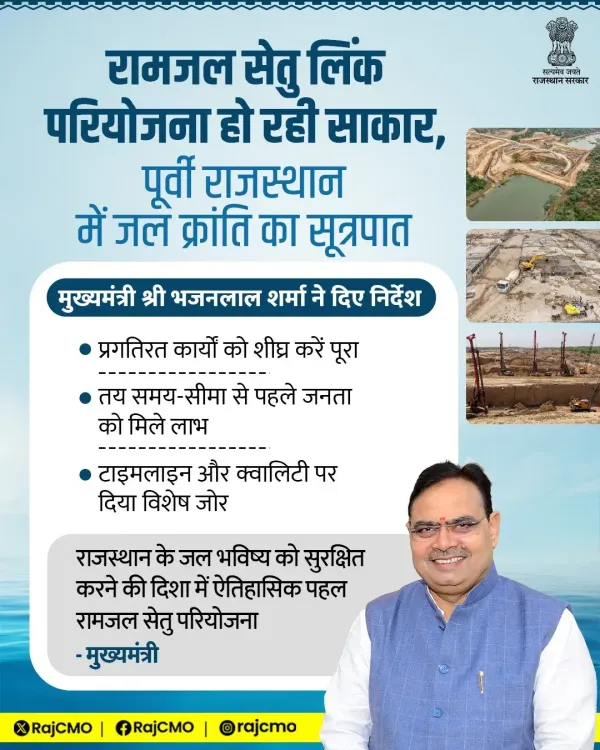
Chief Minister Bhajanlal Sharma on 11 July 2026 reviewed the Ramjal Setu Link Project — covering Bisalpur, Isarda, Brahmani Barrage and other nodes — and ordered officials to complete all works ahead of schedule to deliver drinking water, irrigation and industrial water supply to lakhs in eastern Rajasthan.
Key Takeaways
CM Bhajanlal Sharma held a high-level review of the Ramjal Setu Link Project on 11 July 2026 .
Officials were directed to complete all project works on a priority basis, ahead of the scheduled deadline.
The project aims to provide drinking water, irrigation, and industrial water supply to lakhs of people in eastern Rajasthan.
Key components reviewed include links from Bisalpur to Ajmer , Isarda to Bharatpur , Isarda to Jaipur , Khura-Chainpura to Alwar , and the Brahmani Barrage .
The project is framed as aligned with Prime Minister Narendra Modi's guidance on water security.
Continuous and intensive supervision of all construction activities was mandated by the Chief Minister.
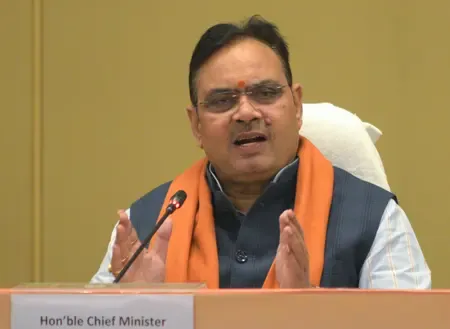
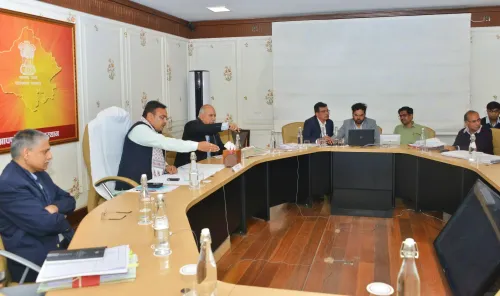
Chief Minister Bhajanlal Sharma of Rajasthan convened a high-level review meeting on Saturday, 11 July 2026 to assess the progress of the state government's ambitious Ramjal Setu Link Project, directing officials to complete all works on a priority basis so that public benefits are delivered ahead of the scheduled deadline.
What the CM Said
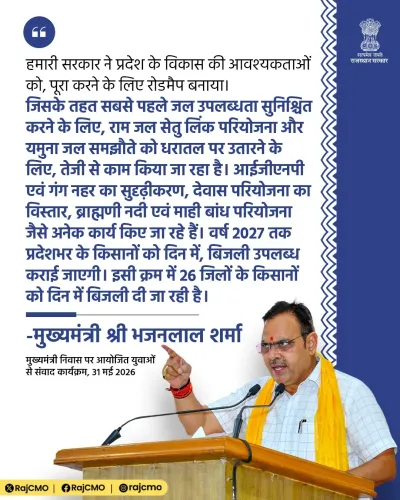
Sharma described the project as a 'historic initiative to secure the water future of eastern Rajasthan,' stating that it would provide adequate water for drinking, irrigation, and industrial use to lakhs of people across the region. He credited the project's realisation to the guidance and inspiration of Prime Minister Narendra Modi, framing it as a national-vision-aligned effort at the state level. In Hindi, he noted: 'यह परियोजना पूर्वी राजस्थान के जल भविष्य को सुरक्षित करने की ऐतिहासिक पहल है' ('This project is a historic initiative to secure the water future of eastern Rajasthan').
Components Under Review
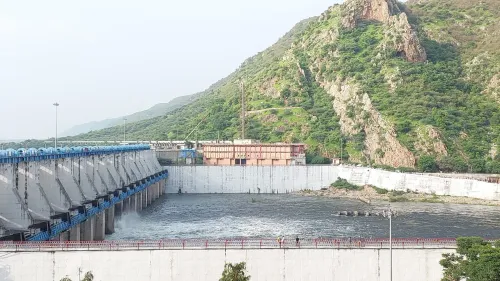
The Chief Minister reviewed the progress of several specific links within the project, including Bisalpur to Mor Sagar (Ajmer), Isarda to Bandh Baretha (Bharatpur), Isarda to Ramgarh (Jaipur), Khura-Chainpura to Jaisamand (Alwar), and the Brahmani Barrage component. Each of these links targets a distinct district in eastern Rajasthan, reflecting the multi-nodal architecture of the scheme. Officials were also instructed to ensure continuous and intensive supervision of all construction activities tied to the project.
Policy Backdrop
The Ramjal Setu Link Project builds on Rajasthan's long-standing focus on inter-basin water transfers and reservoir linkages, a policy direction that gained momentum from 2018 onward through the Eastern Rajasthan Canal Project concept. The nationally launched Jal Jeevan Mission (2019) provided a broader framework of assured drinking water supply that this state-level project is designed to complement. Rajasthan's eastern districts have historically faced chronic water scarcity, and successive governments have sought to address this through expanded canal networks and enhanced storage capacity.
Stakeholders and Impact
The project's primary beneficiaries include farmers in eastern Rajasthan who depend on assured irrigation, as well as residents of Ajmer, Bharatpur, Jaipur, and Alwar districts seeking reliable drinking water access. Industrial users in the region stand to gain from a more stable water supply for manufacturing and processing needs. The multi-component design of the project means that progress — or delays — in any single link directly affects communities across several districts simultaneously.
What's Next
The directive to complete all works ahead of the set deadline signals that the state government intends to accelerate execution in the coming months. Further high-level review meetings and any revised completion schedules from the Water Resources Department will be key indicators of whether the project remains on track. If the accelerated push holds, eastern Rajasthan could see tangible improvements in water availability well before the original timeline — a development with significant implications for both agriculture and urban supply in the region.
Point of View
With the invocation of PM Modi's guidance serving to anchor a state scheme within the broader national water-security narrative. The multi-district, multi-component structure of the project means that even partial completions across Ajmer, Bharatpur, Jaipur, and Alwar could generate wide political dividends. CM Sharma's insistence on beating the deadline rather than merely meeting it reflects a governance posture designed to contrast with the perceived slow pace of predecessor administrations on water infrastructure. Sustained execution pressure on officials will be the real test of whether this review translates into on-ground acceleration.
NationPress
11 Jul 2026
Frequently Asked Questions
What is the Ramjal Setu Link Project in Rajasthan?
The Ramjal Setu Link Project is Rajasthan's ambitious multi-component water transfer scheme that links major reservoirs — including Bisalpur, Isarda, and Brahmani Barrage — to supply drinking water, irrigation, and industrial water to eastern Rajasthan districts such as Ajmer, Bharatpur, Jaipur, and Alwar.
Which districts will benefit from the Ramjal Setu Link Project?
The project primarily targets eastern Rajasthan, with specific components covering Ajmer, Bharatpur, Jaipur, and Alwar districts. Lakhs of residents, farmers, and industrial users across these districts are expected to receive improved water access.
What did CM Bhajanlal Sharma say about the project deadline?
CM Bhajanlal Sharma directed officials on 11 July 2026 to complete all works on a priority basis so that public benefits are delivered ahead of the scheduled deadline , rather than merely on time.
How does the Ramjal Setu Link Project relate to the Jal Jeevan Mission?
The Jal Jeevan Mission, launched nationally in 2019 to ensure assured drinking water supply, provides the broader policy framework that the Ramjal Setu Link Project is designed to support at the state level in Rajasthan.
What is the role of PM Modi in the Ramjal Setu Link Project?
CM Bhajanlal Sharma credited Prime Minister Narendra Modi's guidance and inspiration as central to the project taking shape, framing the state initiative as an expression of the national vision for water security.