Gujarat CMO hails Muni Charitable Foundation's TB elimination drive
Synopsis
Gujarat's Chief Minister's Office on 11 July 2026 commended Shri Muni Charitable Foundation for its ground-level work under the TB Mukt Gujarat drive, calling public-civil society collaboration essential to achieving a tuberculosis-free Gujarat and India.
Key Takeaways
The Chief Minister's Office of Gujarat publicly praised Shri Muni Charitable Foundation on 11 July 2026 for its TB-elimination service work.
The CMO stated that complete TB eradication requires cooperation between government, public participation, and social organisations.
The post promoted both the #TBMuktGujarat and #TBMuktBharat campaigns simultaneously.
India pledged to eliminate tuberculosis by 2025 at the End TB Summit, New Delhi, 2018 — five years ahead of the global target.
Gujarat's model of NGO-government partnership is part of the National Strategic Plan for Tuberculosis Elimination 's decentralised approach.
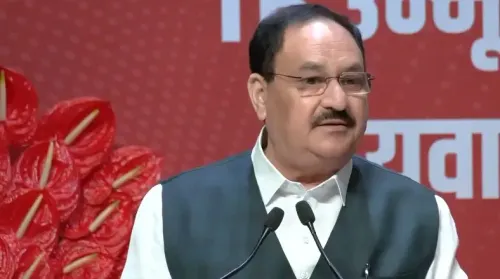
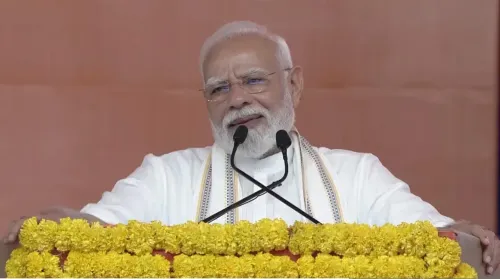
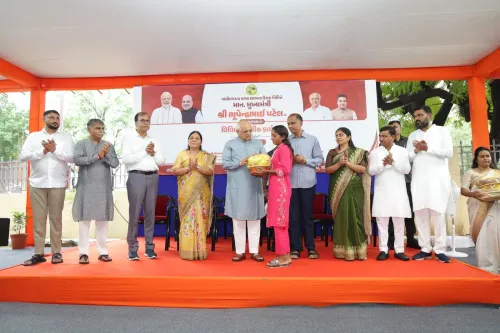
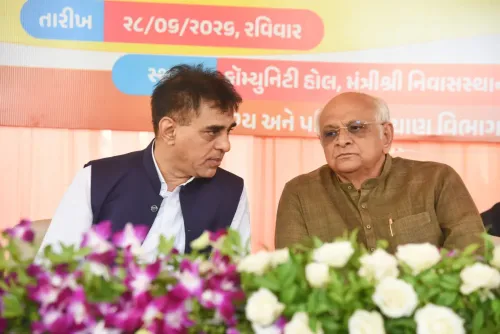
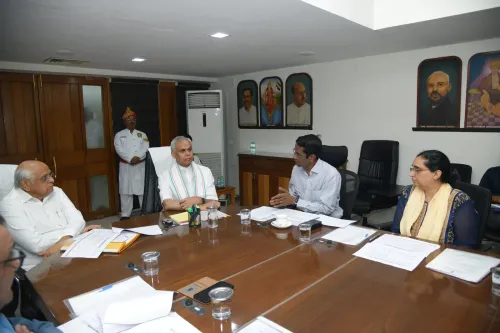
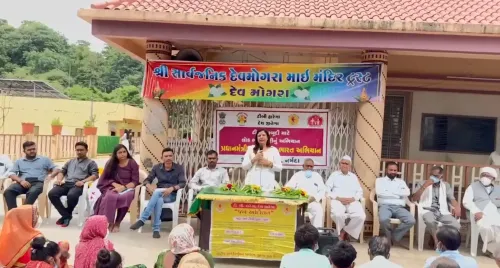
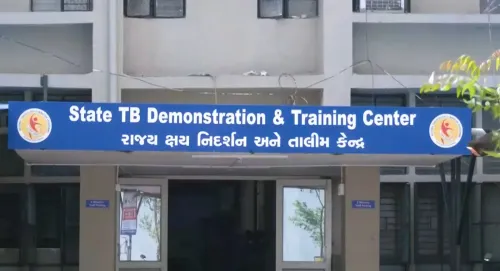
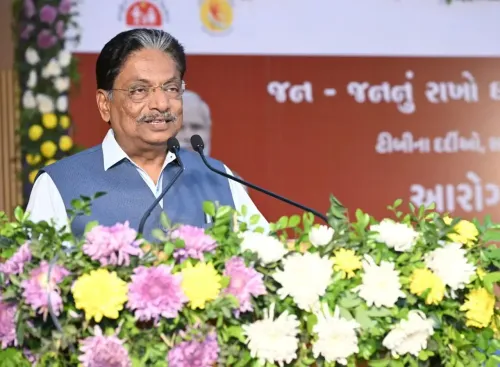
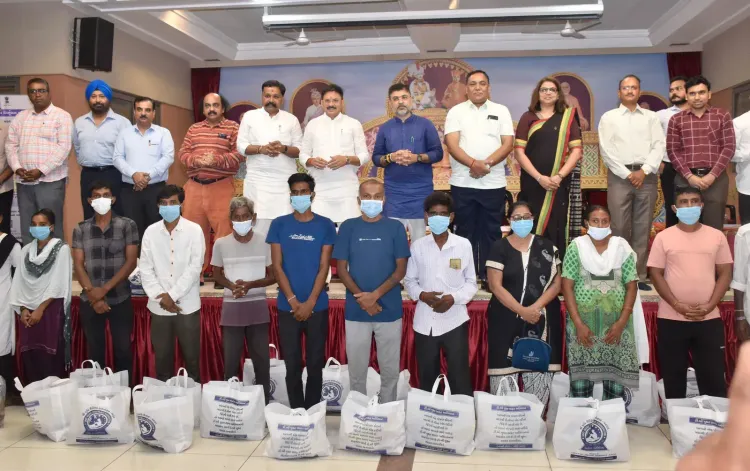
Four images of the foundation's on-ground activities were shared alongside the post.
The Chief Minister's Office of Gujarat on Saturday, 11 July 2026 publicly commended Shri Muni Charitable Foundation for its contribution to the state's campaign to become tuberculosis-free, describing the organisation's work as praiseworthy service that strengthens the #TBMuktGujarat resolve.
Context
The post, shared in Gujarati, states: 'TB Mukt Gujarat'na sankalpne veg aaptu Shri Muni Charitable Foundation dwara sarahniya seva karya ('Praiseworthy service work by Shri Muni Charitable Foundation that accelerates the resolve of a TB-free Gujarat'). The CMO added that complete eradication of tuberculosis — and the realisation of both #TBMuktBharat and #TBMuktGujarat — can be achieved only through such noble cooperation between the government, public participation, and social organisations.
The post was accompanied by four images documenting the foundation's on-ground activities, signalling an effort to amplify civil-society involvement in state health outreach.
Policy Backdrop
India committed to eliminating tuberculosis by 2025 at the End TB Summit held in New Delhi in 2018 — five years ahead of the global 2030 target set by the World Health Organisation. The National TB Elimination Programme (NTEP) and the accompanying National Strategic Plan for Tuberculosis Elimination form the policy backbone, emphasising decentralised, state-level implementation.
Gujarat's TB Mukt Gujarat initiative operates within this framework, encouraging public-private partnerships and community-level engagement as force multipliers for government health machinery. The state's approach mirrors similar models adopted across other Indian states to close the gap on the national elimination target.
Stakeholders and Impact
At the centre of this effort are TB patients and at-risk communities who benefit from expanded screening, treatment support, and nutritional assistance that civil-society organisations often provide alongside government facilities. Organisations like Shri Muni Charitable Foundation help bridge last-mile gaps — reaching populations that formal health infrastructure may not serve efficiently.
The CMO's public recognition also serves a strategic purpose: it incentivises other social organisations and philanthropic bodies across Gujarat to step up participation, effectively broadening the coalition working toward the elimination goal.
What's Next
Attention will turn to state-level TB incidence data releases, which will indicate whether Gujarat's community-partnership model is translating into measurable reductions in case burden. Any expansion of NGO partnerships under revised National TB Elimination Programme guidelines will be a key marker of how the state scales this approach.
With the national 2025 elimination deadline having passed, the pressure on states to demonstrate sustained progress and recalibrate timelines makes collaborations like this one increasingly critical to India's public-health credibility on the global stage.
Point of View
State governments face pressure to show momentum through any available channel — including amplifying NGO contributions. Gujarat's consistent use of social-media recognition to mobilise non-state actors reflects a broader governance pattern where optics and outreach are treated as policy tools. The move also positions the state as a cooperative partner in the Centre's flagship health mission, useful currency in federal health negotiations. Whether such recognition translates into structured, funded partnerships or remains symbolic will determine its real impact on TB case numbers.
NationPress
10 Oct 2026
Frequently Asked Questions
What is TB Mukt Gujarat?
TB Mukt Gujarat is the state government of Gujarat's campaign to eliminate tuberculosis, aligned with the national TB Mukt Bharat initiative that aims to make India free of TB.
What did Gujarat CMO say about Shri Muni Charitable Foundation?
The Chief Minister's Office of Gujarat called the foundation's work 'praiseworthy' and said such civil-society cooperation is essential to achieving complete tuberculosis eradication in Gujarat and India.
What is India's TB elimination target year?
India pledged to eliminate tuberculosis by 2025 at the End TB Summit held in New Delhi in 2018, five years ahead of the global 2030 target.
What is the National TB Elimination Programme?
The National TB Elimination Programme (NTEP) is India's central government scheme for tuberculosis detection, treatment, and prevention, implemented at the state level with NGO and community participation.
How do NGOs help in TB elimination in Gujarat?
NGOs in Gujarat support last-mile outreach by providing screening, treatment support, and nutritional assistance to TB patients, complementing the government's formal health infrastructure under the National Strategic Plan for Tuberculosis Elimination.