CEA Nageswaran: India better placed to weather global shocks as external risks ease
Synopsis
India's top economic advisor says the worst is behind the country on the external front, the RBI won't need to burn reserves defending the rupee, and the macroeconomic situation is under control — even as crude oil above $100 and West Asia tensions remain the key threats to a long-term 8% growth path.
Key Takeaways
Anantha Nageswaran said India's external sector risks have eased considerably and macroeconomic fundamentals are more resilient.
The RBI is unlikely to face pressure to draw down foreign exchange reserves to manage the rupee, according to Nageswaran.
Nageswaran backed the RBI's FY27 GDP growth projection of 6.6 per cent .
India needs sustained growth of around 8 per cent to achieve the Viksit Bharat developed-nation goal.
Crude oil prices above $100 per barrel or prolonged West Asia tensions could drag growth down to around 6 per cent .
Former NITI Aayog CEO Amitabh Kant called AI 'the biggest of all revolutions' and urged India to build talent, data, and digital infrastructure to lead globally.
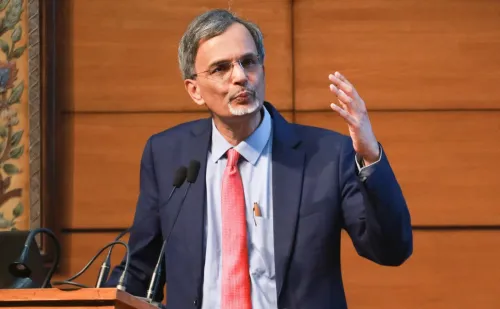
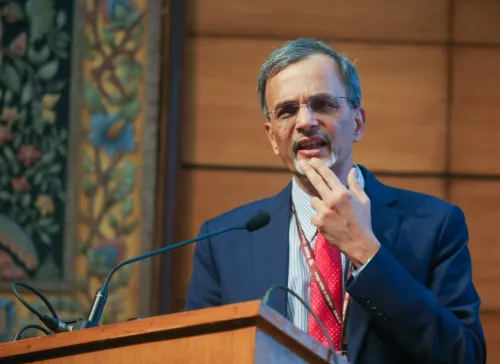
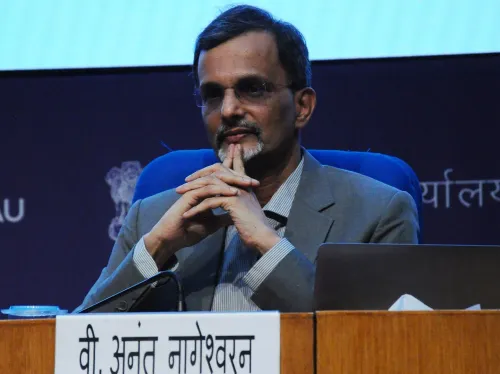
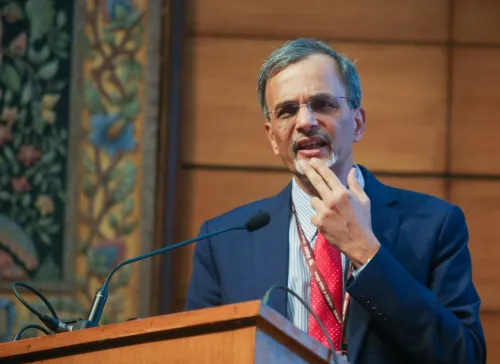
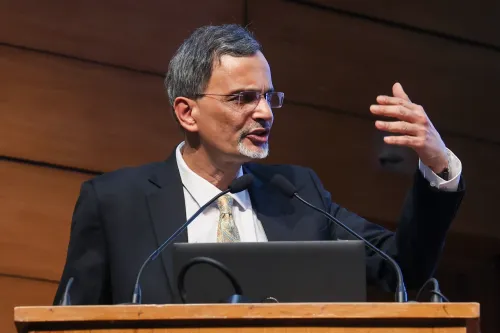
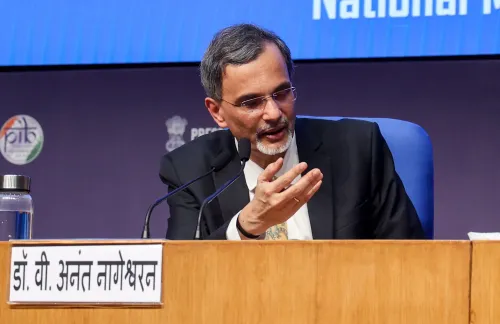
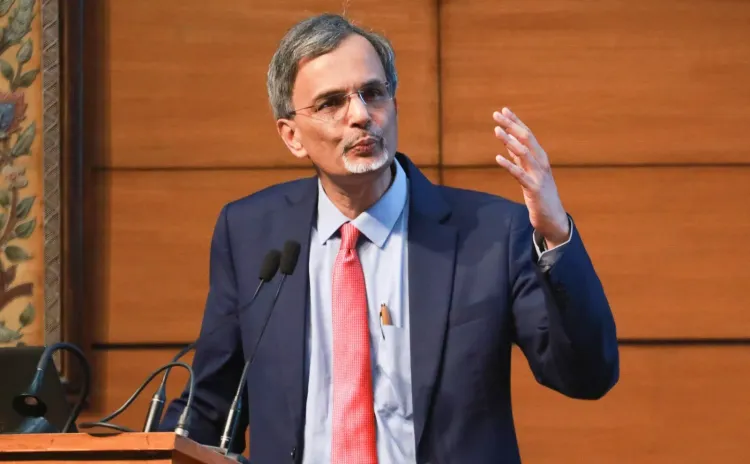
Chief Economic Advisor V. Anantha Nageswaran on 13 June said India's macroeconomic fundamentals are now significantly more resilient, with the country better positioned to absorb global shocks as external sector risks have eased considerably. Speaking at the NDTV Ignite Summit in New Delhi, Nageswaran offered a broadly optimistic assessment of India's near-term economic outlook while flagging key risks on the horizon.
External Sector and RBI Reserves
Nageswaran stated that the worst appears to be behind India on the external front, attributing the improved outlook to prudent macroeconomic management and timely policy interventions during recent global disruptions. He added that the Reserve Bank of India (RBI) is unlikely to face pressure to draw down its foreign exchange reserves to defend the rupee — a signal of improved currency stability.
The CEA backed the RBI's FY27 GDP growth projection of 6.6 per cent, saying India's macroeconomic situation is now much more under control despite ongoing uncertainties in the global environment.
Long-Term Growth Target and Key Risks
Looking further ahead, Nageswaran said India would need to sustain growth of around 8 per cent over the long term to realise the Viksit Bharat vision of becoming a developed nation. However, he cautioned that prolonged geopolitical tensions in West Asia or a sustained rise in crude oil prices above $100 per barrel could weigh on expansion, potentially pulling growth down to around 6 per cent.
Private Capex, Rural Economy, and Agriculture
On domestic demand drivers, the CEA pointed to improving corporate sentiment, noting that listed companies have stepped up investments — a sign of revival in the private capital expenditure cycle. The rural economy is also expected to remain a supportive pillar, with Nageswaran expressing optimism about the upcoming kharif season. Higher reservoir levels and improved sowing conditions are likely to support agricultural output, he said, even as concerns over a possible El Nino impact persist.
AI, Employment, and India's Talent Imperative
On the technology front, Nageswaran stressed the need to create new employment opportunities around the rapidly expanding artificial intelligence (AI) ecosystem. Workers, he argued, would need to focus on skills that complement AI and remain less susceptible to automation-driven disruptions.
Former NITI Aayog CEO Amitabh Kant echoed this urgency, describing AI as a transformative force capable of triggering productivity gains on a scale greater than those seen during the advent of electricity or computers. Kant argued that India must build a strong talent base, robust data pools, progressive policy frameworks, and scaled-up digital public infrastructure to emerge as a global AI leader. 'This will be the biggest of all revolutions,' Kant said, adding that while the world grapples with geopolitical conflicts and supply-chain disruptions, it is simultaneously entering an era of unprecedented productivity growth driven by AI.
Together, the two assessments paint a picture of an India that is navigating near-term global headwinds from a position of relative strength — but one where structural investments in skills and technology will determine whether that advantage is sustained.
Point of View
Not unconditional — and that distinction matters. The RBI reserves signal is meaningful: it suggests currency pressure has abated enough that the central bank is not in firefighting mode. But the 8% growth target for Viksit Bharat remains a structural challenge India has never consistently met, and the gap between the 6.6% FY27 projection and that long-run aspiration is wide. The crude oil caveat is also telling — India's macro resilience is partly contingent on energy prices staying benign, a variable entirely outside New Delhi's control. On AI, the consensus between Nageswaran and Kant is notable, but consensus at a summit is not policy. India's AI talent pipeline, data governance framework, and compute infrastructure remain works in progress, and the window to lead — rather than follow — is narrowing fast.
NationPress
27 Oct 2026
Frequently Asked Questions
What did CEA Nageswaran say about India's economy at the NDTV Ignite Summit?
CEA V. Anantha Nageswaran said India's macroeconomic fundamentals are now significantly more resilient and the country is better placed to withstand global shocks, as external sector risks have eased considerably. He also backed the RBI's FY27 GDP growth projection of 6.6 per cent.
Will the RBI need to use foreign exchange reserves to defend the rupee?
According to Nageswaran, the RBI is unlikely to face pressure to draw down its foreign exchange reserves to manage the rupee, reflecting improved currency stability and a stronger external sector position.
What growth rate does India need to become a developed nation under Viksit Bharat?
Nageswaran said India would need to sustain growth of around 8 per cent over the long term to achieve the Viksit Bharat vision of becoming a developed nation. The RBI's current FY27 projection stands at 6.6 per cent.
What are the key risks to India's growth outlook?
The CEA flagged two primary risks: prolonged geopolitical tensions in West Asia and a sustained rise in crude oil prices above $100 per barrel. Either scenario could pull India's growth rate down to around 6 per cent, he said.
What did Amitabh Kant say about artificial intelligence at the summit?
Former NITI Aayog CEO Amitabh Kant described AI as a transformative force that could generate productivity gains exceeding those from electricity or computers, calling it 'the biggest of all revolutions.' He urged India to build talent, data pools, policy frameworks, and digital public infrastructure to become a global AI leader.