Qatar mediates US-Iran talks revival; Washington 'wants a deal', says Doha
Synopsis
Qatar says US officials have confirmed Washington wants an Iran deal — even as Iran’s military command simultaneously threatens ‘painful strikes’ if America makes any ‘mistake.’ Doha is threading a needle between two parties talking and threatening at the same time, with the Strait of Hormuz — carrying a fifth of the world’s oil — as the pivotal bargaining chip.
Key Takeaways
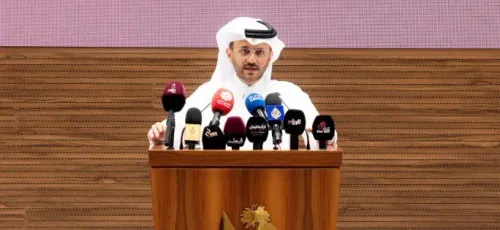
Qatar is mediating between Washington and Tehran to restart talks, with active exchanges over the past several weeks, spokesperson Majed Al Ansari said on 21 September 2026 .
US officials have confirmed on the record that Washington wants a deal and a solution to the ongoing conflict, according to Al Ansari.
Qatar’s two stated goals: open the Strait of Hormuz and stop the war .
Iran’s Khatam al-Anbiya Central Headquarters warned of ‘continuous, effective and painful strikes’ on all US bases and interests if Washington takes action against Tehran.
Iran also warned regional states against aligning with US ‘aggression,’ saying they could ‘no longer expect restraint’ from Iranian forces.
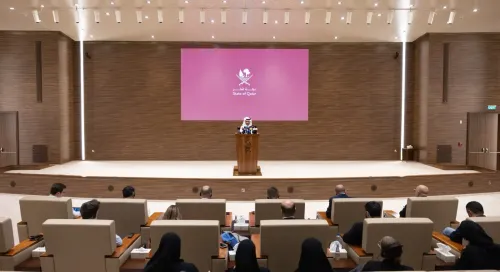
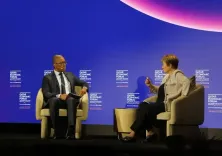
Qatar is actively mediating between the United States and Iran in a bid to restart nuclear and security negotiations, Qatari Foreign Ministry spokesperson Majed Al Ansari said on 21 September 2026, adding that senior US officials have publicly confirmed Washington's desire to reach an agreement. The remarks came on the sidelines of the Qatar Economic Forum in New York, underscoring Doha's continued role as a back-channel broker in one of the world's most consequential diplomatic standoffs.
Qatar's Mediation Effort
Al Ansari said Doha had been exchanging ideas with both Washington and Tehran over the past several weeks through a dedicated mediator team. “We have been working together through our mediator team with both Tehran and the United States to see if we can get it restarted again. A lot of ideas have been thrown back and forth,” he said, adding that Qatar was trying to “bridge the gap and find the right moment to move forward.”
Al Ansari cited on-record statements from multiple US administration officials as evidence of Washington’s intent. “We have heard statements on the record from various administration officials who have confirmed that the United States wants a deal, and the United States wants a solution to this war,” he said.
Key Objectives: Hormuz and the Ceasefire
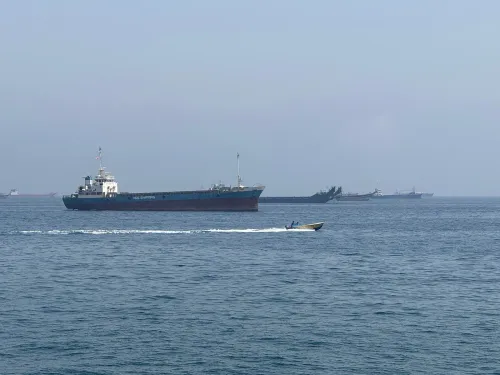
The Qatari spokesperson outlined two overarching goals for any eventual settlement: ensuring regional stability and securing international guarantees to protect strategic waterways, most critically the Strait of Hormuz. “Open the strait, stop the war. These are the two main objectives of everything that we’re doing right now,” Al Ansari said. The Strait of Hormuz is the world’s most critical oil-transit chokepoint, through which roughly 20% of global petroleum supplies pass.
Iran's Military Warning
The diplomatic overture comes against a sharply escalatory backdrop. Iran’s principal military command, Khatam al-Anbiya Central Headquarters, on Sunday issued a stark warning, stating it had intelligence indicating that Washington had decided at a recent meeting in Europe to resume actions against Tehran with the backing of certain regional countries.
The headquarters warned that any US “mistake” against Iran would result in “continuous, effective and painful strikes without any limitation or reservation” targeting all US bases and interests in the region. It further cautioned regional states against what it described as a “double-standard policy,” warning that nations aligning with US “aggression” could “no longer expect restraint or forbearance from Iran’s powerful armed forces.”
What This Means for the Region
The parallel tracks of diplomacy and military posturing reflect the fragile and volatile nature of the current impasse. Qatar’s role as a mediator is well-established — Doha has previously facilitated prisoner exchanges and back-channel communications between Tehran and Washington. This comes amid broader regional tensions, with the conflict referenced by Al Ansari as “the war” suggesting the humanitarian and strategic toll continues to press all parties toward at least exploring a negotiated exit. Notably, any deal that secures the Strait of Hormuz would have immediate downstream effects on global energy markets and shipping insurance rates.
The coming weeks will test whether the ideas being “thrown back and forth” can cohere into a formal negotiating framework, or whether Iran’s military warnings signal a hardening of positions that forecloses near-term progress.
Point of View
Using threat posture as leverage. The more revealing signal is Qatar’s explicit statement that US officials want a deal ‘on the record’ — that is a deliberate public pressure move, designed to box Washington in and make a walk-back politically costly. The Strait of Hormuz framing is also significant: it globalises the stakes beyond a bilateral US-Iran dispute, inviting European and Asian energy-importers to press for a settlement. Whether that broadening of stakeholders helps or complicates Doha’s mediation remains the central uncertainty.
NationPress
21 Sept 2026
Frequently Asked Questions
What is Qatar’s role in US-Iran talks?
Qatar is acting as a neutral mediator, exchanging ideas with both Washington and Tehran over the past several weeks to explore whether formal negotiations can be restarted. Doha has previously facilitated prisoner exchanges and back-channel diplomacy between the two sides.
Has the US confirmed it wants an Iran deal?
Yes, according to Qatari Foreign Ministry spokesperson Majed Al Ansari, multiple US administration officials have made on-record statements confirming that Washington wants a deal and a resolution to the ongoing conflict. These statements form part of Qatar’s basis for continued mediation.
What did Iran’s military command warn on Sunday?
Iran’s Khatam al-Anbiya Central Headquarters warned that if the US makes any ‘mistake’ against Iran, all American bases and interests in the region would face ‘continuous, effective and painful strikes without any limitation or reservation.’ It also warned regional states against aligning with what it called US aggression.
Why is the Strait of Hormuz central to these talks?
The Strait of Hormuz is the world’s most critical oil-transit chokepoint, through which roughly 20% of global petroleum supplies pass. Qatar has identified securing the strait and ending the war as the two primary objectives of its mediation effort, giving the negotiations direct implications for global energy markets.
Where were Qatar’s remarks made?
Qatari Foreign Ministry spokesperson Majed Al Ansari made the remarks on the sidelines of the Qatar Economic Forum in New York on 21 September 2026.