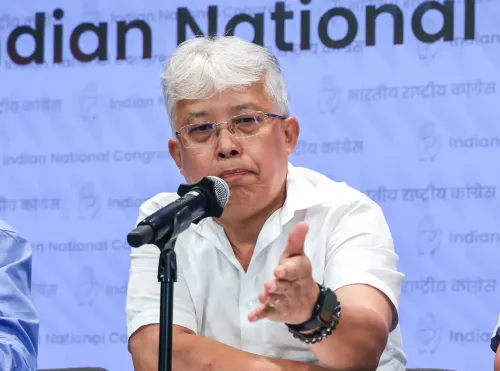
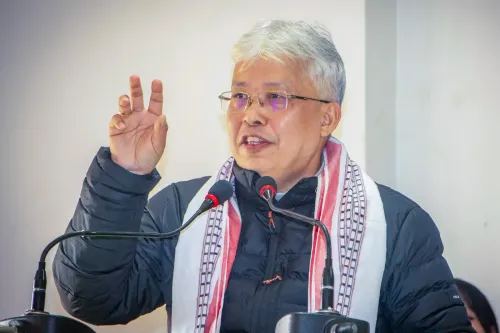
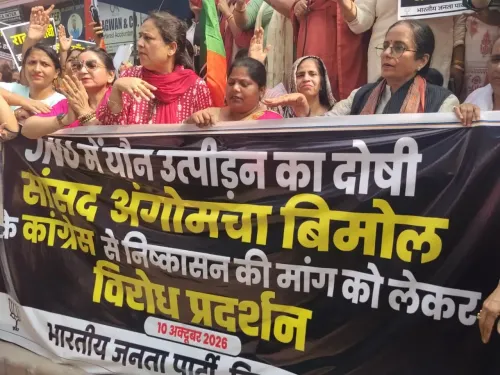
Delhi court bars coercive action against Congress MP Akoijam in JNU harassment case
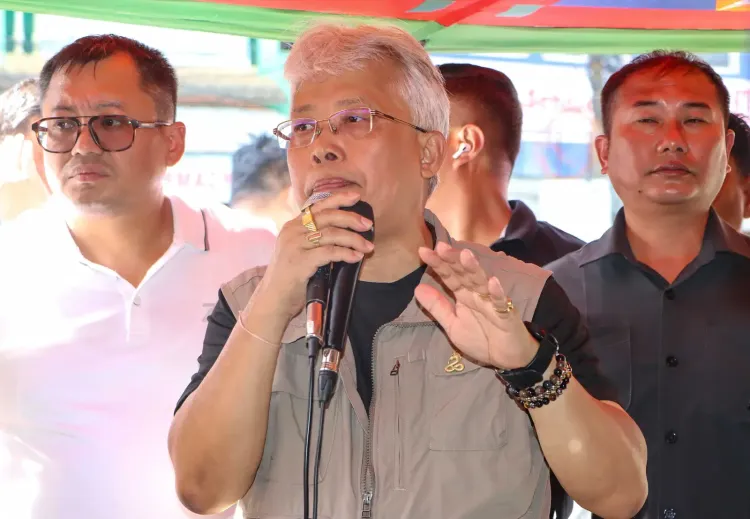
Synopsis
A Delhi court has shielded Congress MP Angomcha Bimol Akoijam from immediate arrest in the JNU sexual harassment case, mandating a seven-day written notice before any custodial action — this, days after the Delhi High Court separately stayed his dismissal from JNU. With 11 complainants, an ICC inquiry, and both a criminal probe and a writ petition in play, the case is fast becoming one of the most legally complex involving a sitting MP in recent memory.
Key Takeaways
The Rouse Avenue Court on 5 November 2026 restrained Delhi Police from taking coercive action against Congress MP Angomcha Bimol Akoijam without a written seven-day notice.
The order was passed while disposing of Akoijam's anticipatory bail plea; police confirmed he was cooperating with the probe.
On 2 November , the Delhi High Court stayed JNU's order dismissing Akoijam from service and listed the matter for January hearing.
JNU Vice-Chancellor Santishree D.
Pandit had ordered Akoijam's dismissal on 9 October following an inquiry by the university's Internal Complaints Committee .
The complaints were filed by 11 female students of JNU in May 2026 ; Akoijam appeared before police on 15 October at Vasant Kunj North police station .
The court directed police to complete the investigation and file the chargesheet, and may be approached if Akoijam fails to cooperate.
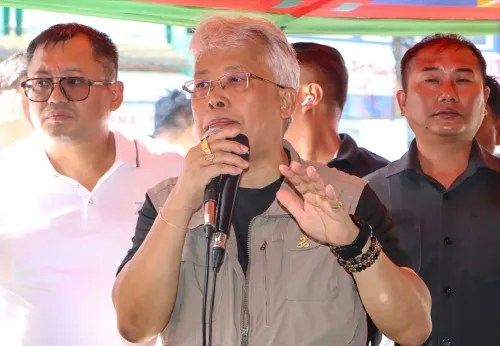
A Delhi court on Thursday, 5 November 2026, restrained the Delhi Police from taking coercive action against Congress MP Angomcha Bimol Akoijam in connection with sexual harassment allegations levelled by 11 female students of Jawaharlal Nehru University (JNU), directing the police to serve him a written notice at least seven days in advance before any arrest. The order was passed by the Rouse Avenue Court while disposing of Akoijam's anticipatory bail plea.
What the Court Ordered
The Rouse Avenue Court disposed of the anticipatory bail application after the Delhi Police informed it that the Inner Manipur Lok Sabha MP was cooperating with the ongoing investigation. The police also assured the court that he would be given adequate advance notice before any custodial action.
The court directed the investigating agency to personally serve any such notice on Akoijam in writing a minimum of seven days before taking him into custody. Additionally, the court directed the MP to furnish the contact numbers of two family members to the investigating officer so that notices could be delivered in a timely manner.
The court made clear that the Delhi Police would be at liberty to approach it if Akoijam failed to cooperate with the probe. It also directed the police to complete the investigation and file the chargesheet in the case.
Background: Dismissal from JNU and High Court Relief
The developments at the trial court level come days after the Delhi High Court granted interim relief to Akoijam by staying the operation of JNU's order dismissing him from service. A single-judge Bench of Justice Anup J. Bhambhani passed the interim order on 2 November while hearing his writ petition challenging the dismissal.
According to JNU's order dated 9 October, Vice-Chancellor Santishree D. Pandit had ordered Akoijam's dismissal from service with immediate effect, following an inquiry conducted by the university's Internal Complaints Committee (ICC). The university stated that disciplinary action was taken on the basis of the ICC's findings and after following due process under applicable service rules.
The High Court also issued notice to JNU and listed the matter for further hearing in January.
The Complaints and Police Investigation
The complaints against Akoijam were submitted by 11 female students of JNU in May this year. The Congress MP subsequently appeared before the Delhi Police at the Vasant Kunj North police station on 15 October in response to a summons to join the investigation.
Describing the developments as a 'political matter', Akoijam said he had appeared to cooperate with the investigation and did not want his absence to be construed as a lack of cooperation with the authorities. He thereafter approached the Rouse Avenue Court seeking anticipatory bail.
What Happens Next
With both the trial court and the Delhi High Court having granted interim protections, attention now shifts to the police completing its investigation and filing the chargesheet, as well as the High Court's January hearing on Akoijam's challenge to his JNU dismissal. The case carries significant implications for the ongoing national discourse around institutional accountability and due process in sexual harassment proceedings involving public figures.
Point of View
Compared with ordinary citizens facing similar charges, reflect an equal application of due process? The JNU Internal Complaints Committee had already conducted an inquiry and found sufficient cause for dismissal — a threshold that is not trivial. Mainstream coverage has largely framed this as a legal procedural story, but the underlying accountability question — whether institutional findings of a duly constituted ICC should be routinely second-guessed by courts at the interim stage — deserves more scrutiny.
NationPress
5 Nov 2026
Frequently Asked Questions
What did the Delhi court order in the Congress MP Akoijam case?
The Rouse Avenue Court directed that Delhi Police must serve a written notice at least seven days before arresting Congress MP Angomcha Bimol Akoijam in the JNU sexual harassment case. The court disposed of his anticipatory bail plea after police confirmed he was cooperating with the investigation.
What are the sexual harassment allegations against Akoijam?
Eleven female students of Jawaharlal Nehru University filed complaints against Akoijam in May 2026. The university's Internal Complaints Committee conducted an inquiry, whose findings led JNU Vice-Chancellor Santishree D. Pandit to dismiss him from service with immediate effect on 9 October 2026.
Has the Delhi High Court also given Akoijam any relief?
Yes. On 2 November 2026, a single-judge Bench of Justice Anup J. Bhambhani stayed JNU's dismissal order while hearing Akoijam's writ petition challenging it. The High Court issued notice to JNU and scheduled the next hearing for January.
Who is Angomcha Bimol Akoijam?
Angomcha Bimol Akoijam is the Congress Member of Parliament from the Inner Manipur Lok Sabha constituency. He was also associated with JNU before the university dismissed him following the ICC inquiry into the harassment complaints.
What happens next in the case?
Delhi Police has been directed by the Rouse Avenue Court to complete the investigation and file the chargesheet. The Delhi High Court will take up Akoijam's challenge to his JNU dismissal in January, and the police may approach the court if he fails to cooperate with the probe.