Qatar confirms US-Iran draft agreement in progress, Hormuz tensions mount
Synopsis
Qatar has confirmed that draft agreement language is actively being exchanged between the US and Iran — the clearest public signal yet that indirect diplomacy is substantive, not symbolic. With Trump calling it a 'last chance' and the Strait of Hormuz in the balance, the next 48-72 hours of back-channel work between Doha, Muscat, Washington, and Tehran could determine whether the Gulf steps back from the edge.
Key Takeaways
Qatar confirmed on 4 August that US-Iran mediation is ongoing, with draft agreement language being actively exchanged.
Talks have reached 'very progressive stages,' according to Majed Al Ansari , Qatar's foreign ministry spokesperson.
Qatar and Oman are coordinating closely to facilitate indirect contacts between Washington and Tehran .
No direct US-Iran talks are currently scheduled, though mediators expressed hope for an early resumption.
US President Donald Trump described the talks as ongoing 'at the request of Iran,' calling it a 'last chance' for diplomacy.
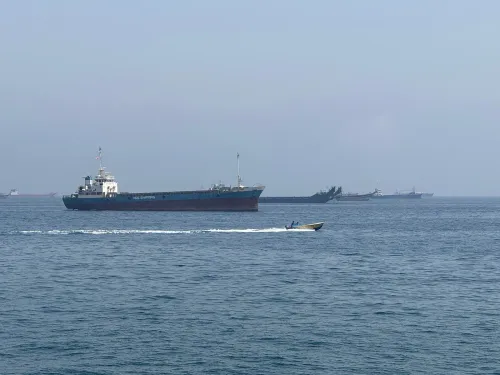
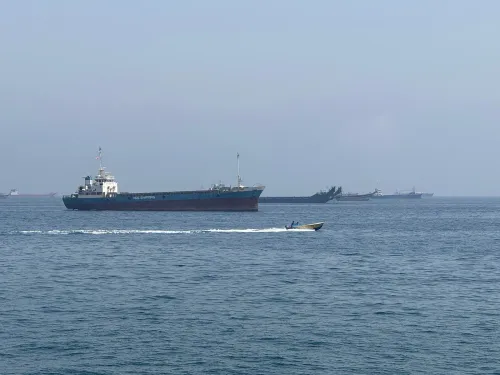
Qatar's stated immediate priority is avoiding escalation and reopening the Strait of Hormuz .
Qatar confirmed on Tuesday, 4 August that mediation efforts between the United States and Iran remain active, with draft language for a potential agreement continuing to be exchanged between the two sides as regional intermediaries race to prevent further escalation in the Middle East. The confirmation came amid mounting concern over the Strait of Hormuz and signals from Washington that diplomatic patience is wearing thin.
What Qatar's Spokesperson Said
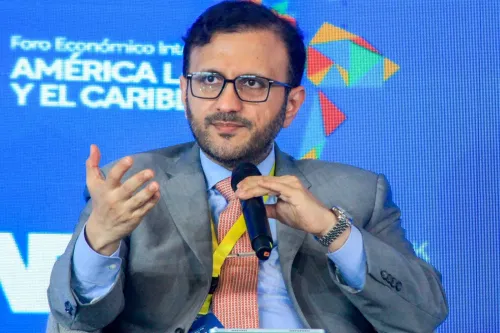
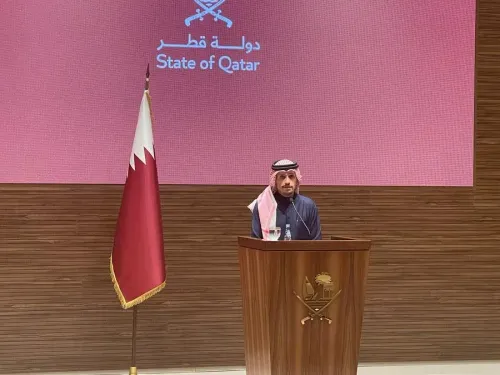
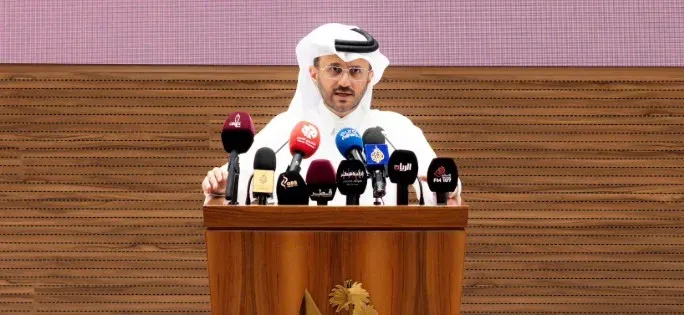
Majed Al Ansari, adviser to Qatar's prime minister and spokesperson for the Ministry of Foreign Affairs, told reporters at a weekly press briefing that talks had reached 'very progressive stages.' 'We can confirm that the efforts are still ongoing with all the parties,' Al Ansari said. 'We are looking towards diplomatic resolution as we are speaking right now.'
Al Ansari noted that Qatar and Oman are coordinating closely to facilitate indirect contacts between Washington and Tehran. He was careful to stress, however, that no direct talks between the US and Iran are currently scheduled. 'Right now we don't have anything on the books when it comes to direct talks,' he said, adding: 'But we are hopeful that if we can get a resumption of the talks anytime soon, we'd be able to push forward towards a major deal.'
The Strait of Hormuz: Qatar's Immediate Priority
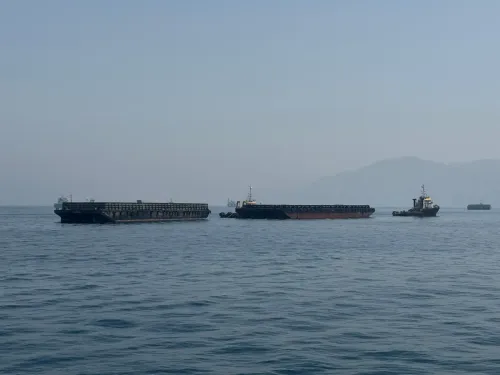
Asked specifically about the Strait of Hormuz — the critical waterway through which roughly 20% of global oil supply passes — Al Ansari said Qatar's immediate focus was 'avoiding escalation, reopening the strait and reopening the door for diplomacy between the parties.' He added: 'What we do not want to see right now is a major escalation in our region.' Mediators, he said, are working toward a short-term diplomatic solution that could restart broader negotiations.
Trump Signals Urgency from the White House
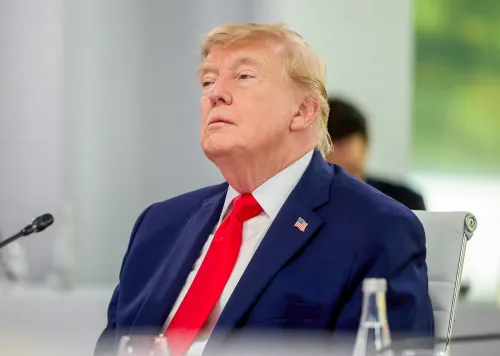
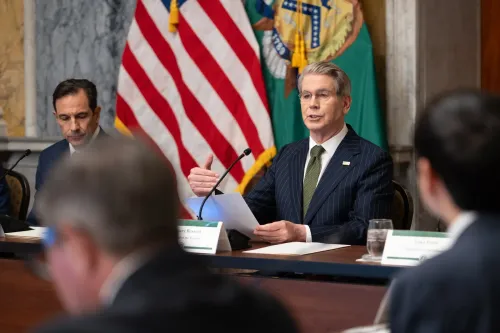
Earlier on the same day, US President Donald Trump told reporters at the White House Oval Office that talks with Iran are 'going on right now,' framing the moment starkly: 'This is a last chance.' Trump said the discussions were taking place 'at the request of Iran,' and cited backing from Saudi Arabia, the UAE, and Qatar in particular. His remarks came after he signed an executive order on military spouses — underscoring how the diplomatic thread is running parallel to routine White House business even as the stakes in the Gulf rise.
Context and What Comes Next
The current round of indirect diplomacy follows a prolonged breakdown in US-Iran nuclear negotiations, with both sides trading pressure through sanctions, military posturing, and proxy confrontations across the region. Qatar and Oman have historically served as back-channel conduits between Washington and Tehran — a role both Gulf states are reprising under considerable pressure. Al Ansari declined to set any timeline for a potential agreement, noting the fluid nature of the process. The absence of a scheduled direct dialogue means the next breakthrough — or breakdown — is likely to emerge through the same quiet intermediary channels that have defined this round of diplomacy.
Point of View
But also unusual exposure if talks collapse. Trump's 'last chance' framing is either genuine urgency or negotiating theatre; the distinction matters enormously for how Tehran reads the room. What mainstream coverage underplays is Oman's parallel role — Muscat has historically been the quieter but more trusted channel, and its coordination with Doha suggests a deliberate division of diplomatic labour designed to give Iran multiple off-ramps.
NationPress
19 Sept 2026
Frequently Asked Questions
What is the current status of US-Iran mediation talks?
Qatar confirmed on 4 August that mediation efforts between the US and Iran are ongoing, with draft agreement language actively being exchanged between the two sides. Talks have reached what Qatar describes as 'very progressive stages,' though no direct US-Iran dialogue is currently scheduled.
Which countries are mediating between the US and Iran?
Qatar and Oman are the primary intermediaries, coordinating closely to facilitate indirect contacts between Washington and Tehran. US President Donald Trump also cited backing from Saudi Arabia and the UAE in supporting the diplomatic process.
What did Trump say about the Iran talks?
Speaking at the White House Oval Office on 4 August, Trump said talks with Iran are 'going on right now' and described the moment as 'a last chance.' He said the discussions were taking place at Iran's request, with support from Saudi Arabia, the UAE, and Qatar.
Why is the Strait of Hormuz significant in these talks?
The Strait of Hormuz is a critical global oil chokepoint, and its potential closure amid US-Iran tensions has raised alarm among energy markets and regional governments. Qatar's spokesperson identified reopening the strait as an immediate diplomatic priority alongside avoiding broader escalation.
Is a US-Iran agreement imminent?
Qatar's spokesperson declined to set any timeline, saying no date could be fixed for a final agreement. While draft language is reportedly being exchanged, the absence of scheduled direct talks means any deal would first require a resumption of formal negotiations through mediation channels.