Hormuz Strait reopening, US-Iran MoU revival top Qatar's regional agenda
Synopsis
Qatar has publicly flagged two non-negotiables for regional de-escalation: a reopened Strait of Hormuz and a revived US-Iran MoU. With Iran and Oman reportedly close to finalising a joint maritime route map, the diplomatic window is narrow — and Doha is watching Muscat's next move closely.
Key Takeaways
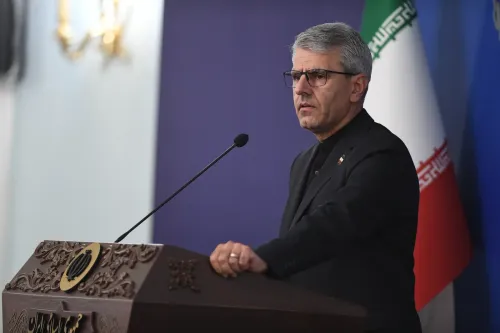
Qatari Foreign Ministry spokesperson Majed Al Ansari said on 18 August that regional efforts are focused on reopening the Strait of Hormuz and reviving the US-Iran MoU .
Qatar is awaiting a finalised Iran-Oman agreement on the strait before broader negotiations can resume.
Iranian spokesman Esmaeil Baghaei confirmed on Monday that Iran and Oman have agreed on a new maritime route map through the strait.
The two countries are finalising a package comprising the route map and a joint statement; delays attributed to complexity and outside interference.
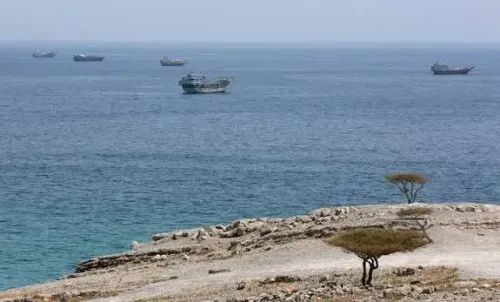
The Strait of Hormuz carries roughly 20% of global oil supplies, making its status a critical concern for international energy markets.
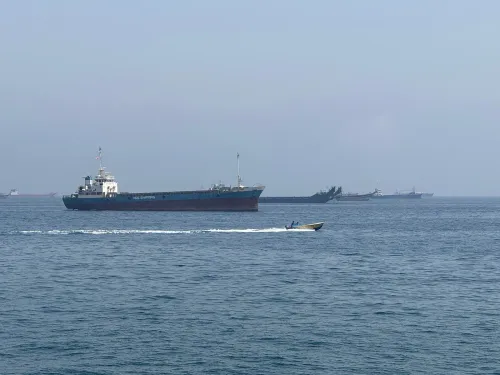
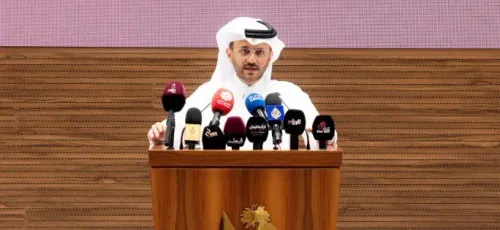
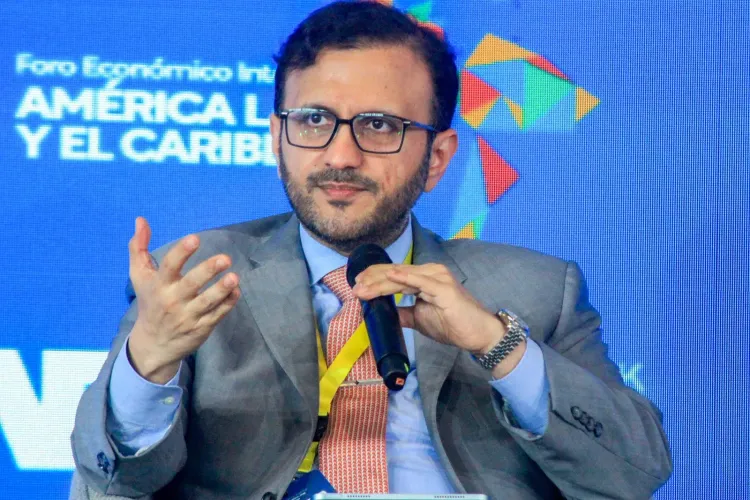
Qatari Foreign Ministry spokesperson Majed Al Ansari said on Tuesday, 18 August that ongoing regional diplomatic efforts are centred on two priorities: reopening the Strait of Hormuz to free navigation and restoring the US-Iran memorandum of understanding (MoU). The remarks came during a weekly media briefing in Doha as tensions in the strategically vital waterway continue to unsettle global shipping lanes.
Key Developments
Al Ansari described the latest escalation as involving 'the violation of the ceasefire and the tensions at the Strait of Hormuz,' and said regional efforts are squarely aimed at returning to what was stipulated in the MoU. He added that Qatar is still awaiting a finalised agreement between Oman and Iran on the strait, which he said would help pave the way for a return to broader negotiations.
'The only way to move forward is a ceasefire, the opening of the Strait of Hormuz and going back to normal or freedom of navigation and going back to the negotiations,' Al Ansari said.
Iran-Oman Talks: Where Things Stand
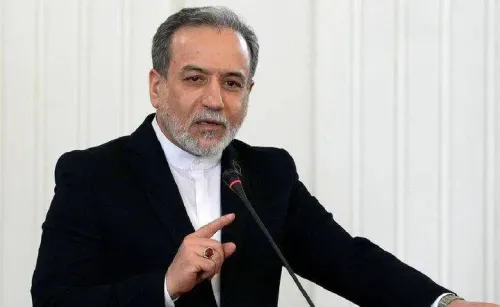
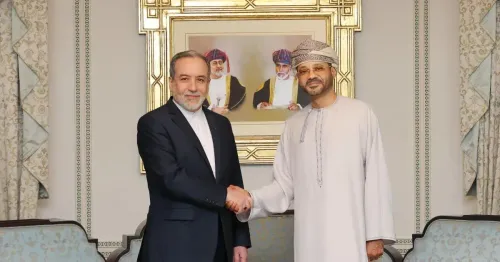
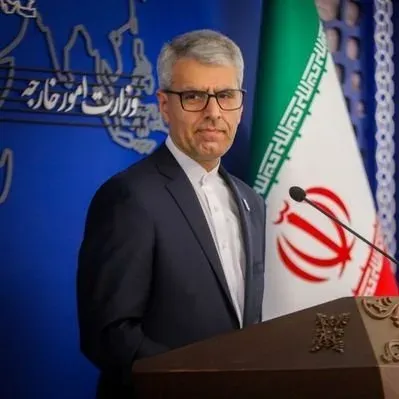
Iran and Oman have been in active talks in recent months over maritime navigation arrangements through the strait. Iranian Foreign Ministry spokesman Esmaeil Baghaei said on Monday that the two countries have agreed on the map of a new route for maritime traffic through the Strait of Hormuz. He made the remarks at a weekly press conference in Tehran while elaborating on the latest progress of the bilateral negotiations.
Baghaei said Tehran and Muscat are expected to finalise the agreement as a package comprising the agreed map and a joint statement. He attributed delays in the process to the issue's complexity, 'the number of the players' seeking to influence the outcome, and what he described as 'attempts by certain malicious parties.'
Why the Strait of Hormuz Matters
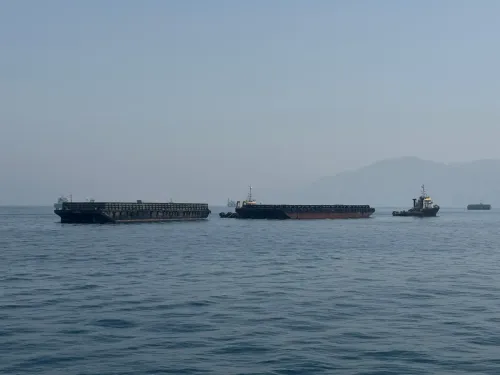
The Strait of Hormuz is one of the world's most critical chokepoints for energy trade, with roughly 20% of global oil supplies transiting the waterway. Any disruption to navigation has immediate knock-on effects on crude prices and global supply chains. This comes amid a broader pattern of periodic tensions in the strait, which have historically been used as leverage in geopolitical standoffs involving Iran.
Notably, the current push for a jointly agreed maritime route represents a more structured diplomatic approach than previous episodes of Hormuz brinkmanship, with Oman — traditionally a neutral interlocutor in Gulf affairs — playing a central facilitation role.
What Happens Next
Baghaei confirmed that Iran and Oman are continuing talks with 'seriousness,' exchanging views on the text of a joint statement. Both sides are reportedly working toward a mechanism that safeguards their respective interests, addresses security concerns, and accounts for the requirements of international shipping. Al Ansari's comments suggest that Qatar views the Iran-Oman deal as a prerequisite for any wider diplomatic reset involving the US-Iran MoU. How quickly that package is finalised will likely determine the pace of broader regional de-escalation.
Point of View
Then Hormuz, then the MoU — reveals a sequencing logic that places the Iran-Oman deal as the linchpin of any wider reset. But that deal has been 'nearly finalised' for months, and Baghaei's reference to 'malicious parties' attempting to derail it signals that the obstacles are not merely procedural. The deeper question mainstream coverage is not asking: if the MoU is revived, what enforcement mechanism exists this time? The original framework's ambiguity is precisely what allowed the current escalation. Doha's diplomatic optimism, while useful for signalling, should not be mistaken for a durable settlement architecture.
NationPress
3 Oct 2026
Frequently Asked Questions
What are Qatar's stated priorities for regional de-escalation?
Qatar has identified two priorities: reopening the Strait of Hormuz to free navigation and reviving the US-Iran memorandum of understanding (MoU). Spokesperson Majed Al Ansari said these are the prerequisites for a return to broader negotiations.
Have Iran and Oman reached an agreement on the Strait of Hormuz?
Iran and Oman have agreed on the map of a new maritime route through the Strait of Hormuz, according to Iranian Foreign Ministry spokesman Esmaeil Baghaei. However, the two countries are still finalising the agreement as a package that includes both the route map and a joint statement.
Why has the Iran-Oman deal taken so long to finalise?
Baghaei attributed the delay to the complexity of the issue, the large number of parties seeking to influence the outcome, and what he described as interference by 'certain malicious parties.' Both sides are reportedly continuing talks with seriousness.
Why is the Strait of Hormuz so significant?
The Strait of Hormuz is one of the world's most critical energy chokepoints, with approximately 20% of global oil supplies transiting the waterway. Any disruption to navigation directly affects global crude prices and supply chains.
What role is Qatar playing in the Hormuz diplomacy?
Qatar is acting as a diplomatic observer and advocate, publicly urging a ceasefire and the restoration of the US-Iran MoU. Doha is waiting for the Iran-Oman maritime agreement to be finalised before wider negotiations can resume, according to Al Ansari.