India Reiterates Call for Dialogue Amidst Escalating Conflict in Iran and Gulf Region
Synopsis
India emphasizes the importance of dialogue and diplomacy to resolve the escalating conflict in Iran and the Gulf region, prioritizing national interests and the safety of its citizens abroad.
Key Takeaways
India is closely monitoring the escalating conflict in Iran and the Gulf.
The government prioritizes the safety of Indian nationals in the region.
Dialogue and diplomacy are emphasized as key solutions.
Indian embassies are actively providing support to those affected.
The conflict poses potential risks to India's economic interests.
New Delhi, March 3 (NationPress) On Tuesday, India reaffirmed its commitment to dialogue and diplomacy as essential means to address the ongoing turmoil in Iran and the Gulf region. The nation is actively monitoring the situation and making decisions that prioritize national interests.
"Our deep concerns regarding the onset of the conflict in Iran and the Gulf region, which began on February 28, 2026, were previously expressed. At that time, we called for all parties involved to show restraint, prevent escalation, and focus on the safety of civilians. Regrettably, during the holy month of Ramadan, conditions in the region have worsened considerably," stated the Ministry of External Affairs (MEA).
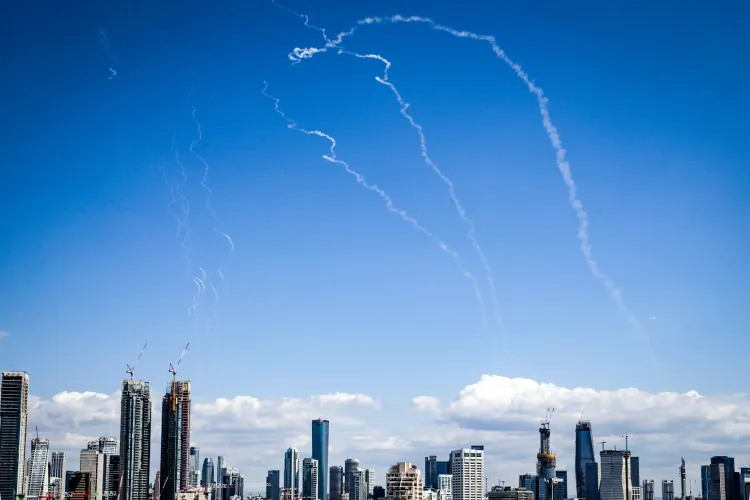
"Recently, we have not only observed a surge in conflict but also its spread to neighboring countries. The toll of destruction and loss of life continues to rise, while regular life and economic activities grind to a halt. As a close neighbor with significant stakes in the region's security and stability, these developments cause us great concern," it further noted.
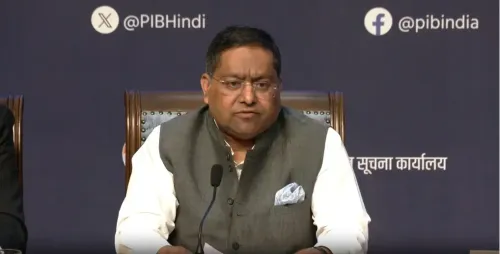
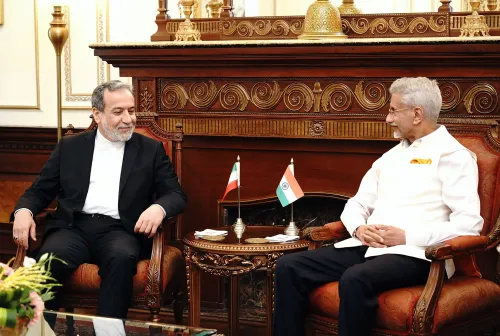
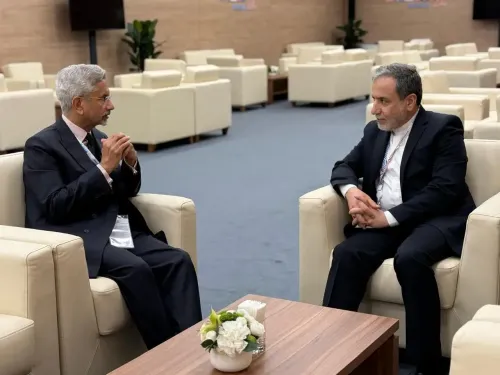
The spokesperson for the MEA pointed out that India is actively engaging with regional governments as well as other crucial partners. Notably, Prime Minister Narendra Modi and External Affairs Minister S. Jaishankar have been in discussions with their counterparts.
"Around one crore Indian nationals reside and work in the Gulf region. Their safety is our top priority, and we cannot ignore developments that might jeopardize them. Our trade and energy supply chains also navigate this region, and any significant disruption could have dire consequences for the Indian economy. As a nation with a significant presence in the global workforce, India firmly opposes attacks on merchant shipping. Tragically, some Indian citizens have already lost their lives or are currently missing due to recent attacks," the MEA emphasized.
"In light of these circumstances, India once again calls for dialogue and diplomacy. We advocate for a swift end to the conflict. Sadly, many lives have been lost, and we express our condolences for those affected. Indian embassies and consulates in the impacted countries are maintaining close contact with Indian nationals and community organizations, providing regular advisories as needed. They are also offering all possible assistance to those stranded due to the conflict and will continue to address various consular issues proactively," it added.
This statement from the MEA comes as the Congress party and the INDIA bloc criticized the government's position regarding Iran, with Congress Parliamentary Party chairperson Sonia Gandhi condemning what she termed India's silence over the death of Iranian Supreme Leader Ayatollah Ali Khamenei.
However, numerous experts and political analysts have remarked that the government led by Prime Minister Modi has exhibited utmost caution, prioritizing national interests above all.
They cited several instances where previous Congress-led administrations maintained a neutral stance, often siding with global powers while keeping a distance from oppressive regimes, such as those led by Saddam Hussein in Iraq and Muammar Gaddafi in Libya.
Point of View
The Indian government's response to the escalating conflict in Iran and the Gulf region reflects a careful balancing act between diplomatic engagement and the imperative to safeguard the interests of its citizens abroad. Prioritizing national security while advocating for dialogue underscores India's commitment to stability in a volatile region.
NationPress
19 Sept 2026
Frequently Asked Questions
What is India's position on the conflict in Iran?
India is advocating for dialogue and diplomacy as a means to resolve the conflict, emphasizing the need for restraint and prioritizing the safety of civilians.
How many Indian citizens are affected by the conflict in the Gulf?
Approximately one crore Indian nationals live and work in the Gulf region, making their safety a top priority for the Indian government.
What actions is India taking to assist its nationals in the region?
Indian embassies and consulates are in close contact with nationals and community organizations, providing advisories and assistance to those affected by the conflict.
What are the implications of the conflict for the Indian economy?
Any major disruption in the Gulf region could have serious consequences for India's trade and energy supply chains, impacting the overall economy.
Who has criticized India's stance on the conflict?
The Congress party and the INDIA bloc have criticized the Indian government's position, particularly regarding its response to the killing of Iranian Supreme Leader Ayatollah Ali Khamenei.