Impact of Israel-Iran Tensions on Indian Markets This Week
Synopsis
As tensions escalate between Israel and Iran, Indian markets are expected to face pressure due to rising energy prices. Analysts anticipate a negative market reaction, especially in key sectors, while safe-haven assets may attract investment.
Key Takeaways
Escalating tensions between Israel and Iran are impacting Indian markets.
Rising energy prices are a primary concern for investors.
Energy and defense stocks may see short-term support.
The Nifty 50 index has shown weakness, with important resistance and support levels identified.
Market volatility is expected due to compressed trading windows.
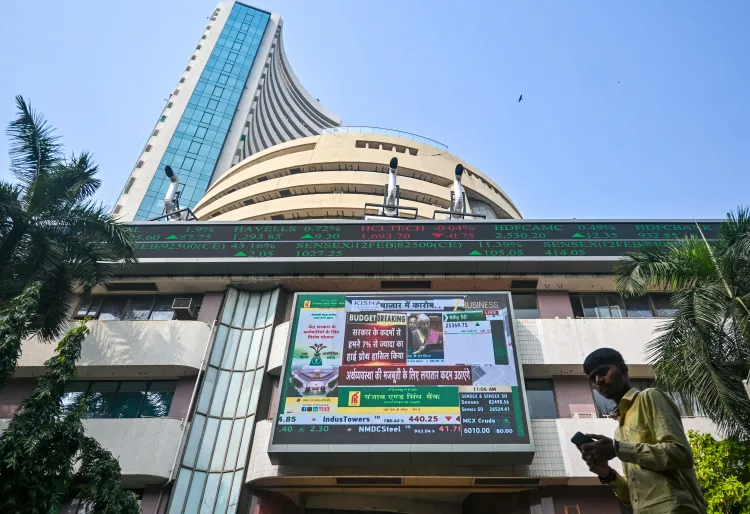
Mumbai, March 1 (NationPress) The growing tensions between Israel and Iran are anticipated to exert pressure on Indian markets in the upcoming days, primarily due to a rise in energy prices, analysts indicated on Sunday.
Experts noted that sectors such as oil marketing, aviation, paints, automobiles, consumer discretionary, and logistics may experience challenges owing to the unrest in the Middle East.
The initial market response is expected to be unfavorable, as investors evaluate whether the current escalation will evolve into a prolonged conflict or remain a short-lived incident. They added that increasing geopolitical tensions typically create a selling pressure within the markets.
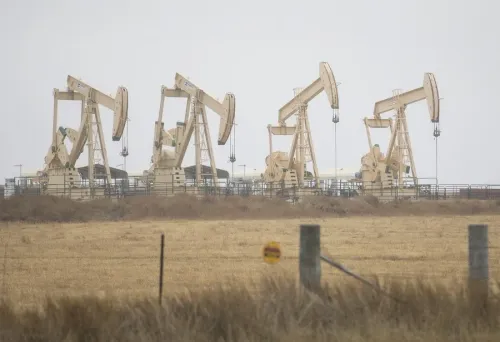
Crude oil prices have strengthened in light of concerns regarding potential disruptions through the Strait of Hormuz, currently trading around $67–$68 per barrel, marking a rise of approximately 2 percent. Analysts cautioned that a sustained increase beyond $80 per barrel could place significant macroeconomic pressure on India, a major oil importer, potentially driving up inflation and squeezing corporate profit margins.
Nevertheless, analysts suggested that energy and defense stocks might find support in the short term. Additionally, gold, silver, and US Treasuries could see an influx of safe-haven investment, according to forecasts.
Uncertainties regarding succession are prevalent following the passing of Iran's Supreme Leader Ayatollah Ali Khamenei, with his second eldest son, Mojtaba Khamenei, reportedly emerging as a potential successor, as per various reports.
From a technical perspective, experts observed that the Nifty 50 index has shown weakness after closing below its 200-day exponential moving average (EMA).
Technically, immediate resistance for the Nifty 50 is identified in the range of 25,300–25,350, while strong support is established around the 25,000–25,050 level, according to market analysts.
“Should the index maintain its position above the support level, a degree of stability may return. However, a decisive drop below this range could intensify downward pressure,” mentioned one analyst.
With the markets closed for the Holi holiday, the weekly Nifty expiry has been shifted to Monday, compressing the trading window. Such calendar adjustments often amplify short-term positioning changes, which may contribute to heightened volatility, as noted by market observers.
Point of View
It is crucial to approach the financial implications with a balanced perspective. While some sectors may experience downward pressure, opportunities may arise in energy and defense stocks. Vigilance and strategic positioning will be key for investors navigating this complex landscape.
NationPress
12 Oct 2026
Frequently Asked Questions
How will the Israel-Iran conflict affect Indian markets?
The escalating conflict is likely to pressure Indian markets due to rising energy prices, particularly affecting sectors like oil marketing and aviation.
What are the potential implications of rising crude prices?
If crude prices exceed $80 per barrel, it could significantly strain India's economy, leading to inflation and reduced corporate margins.
Which sectors might benefit from this situation?
Energy and defense sectors may find support, while safe-haven assets like gold and US Treasuries could attract more investment.
What is the current status of the Nifty 50 index?
The Nifty 50 has weakened, closing below its 200-day EMA, with immediate resistance at 25,300–25,350 and support at 25,000–25,050.
What should investors expect in the short term?
Investors should brace for potential volatility and assess market movements closely, especially with the upcoming Nifty expiry.