Japan's Prime Minister Takaichi Announces Release of Oil Reserves to Combat Price Surge
Synopsis
In a bold move, Japan's Prime Minister Sanae Takaichi has announced the imminent release of oil reserves to mitigate rising gasoline prices amid escalating tensions in West Asia. This marks a historic shift in Japan's approach to oil reserve management.
Key Takeaways
Japan to release oil reserves starting next Monday.
15 days worth from the private sector and 1 month from the government.
First independent release since 1978.
Japan relies on 90% of oil imports from West Asia .
Efforts to stabilize gasoline prices amidst conflict.
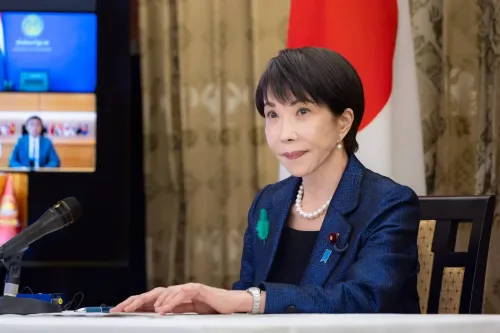
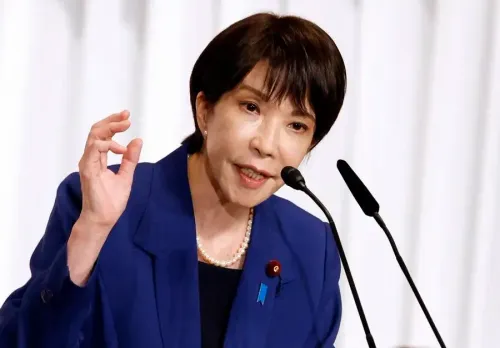
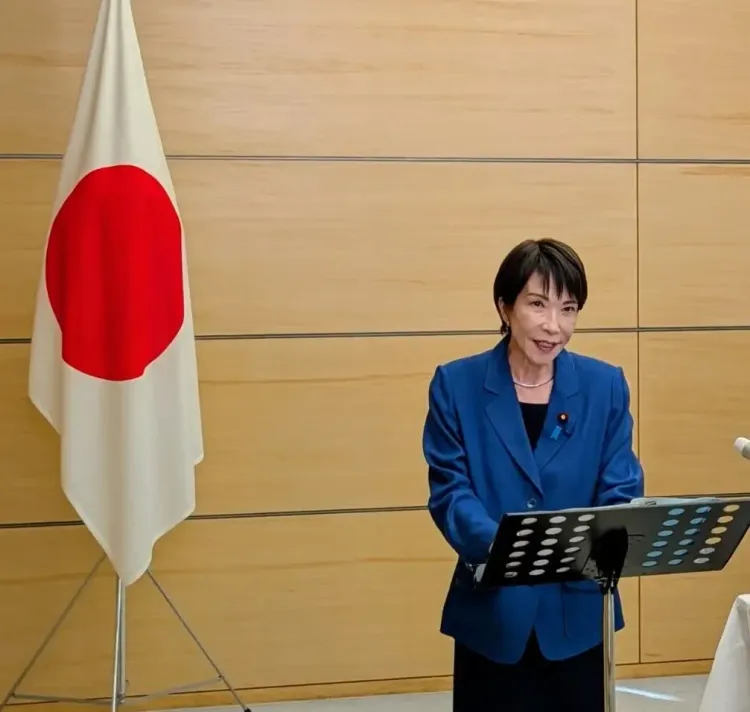
Tokyo, March 11 (NationPress) On Wednesday, Japanese Prime Minister Sanae Takaichi declared that the nation will initiate the release of its oil reserves as soon as next Monday. This move aims to address a potential surge in gasoline and other fuel prices resulting from the ongoing conflict in West Asia, as reported by local media.
During a press briefing, Takaichi explained that Japan plans to release reserves equivalent to 15 days of consumption from the private sector, followed by one month’s worth of government-held oil. This action will occur without waiting for a coordinated decision from the International Energy Agency (IEA), as stated by the leading Japanese news outlet, Kyodo News.
This will mark the first time Japan has released its government oil reserves independently since the practice began in 1978.
Takaichi noted that Japan's dependency on the Middle East for crude oil is significantly higher than that of other countries. As imports are expected to decline later this month, measures are necessary to prevent disruptions in the supply of gasoline and other petroleum products.
With the potential for domestic retail gasoline prices to exceed 200 Yen per liter, Takaichi expressed her intention to maintain prices around 170 Yen through the use of government funds.
"We will continuously evaluate support measures to provide ongoing relief to the public, even if the situation in the Middle East escalates," Takaichi affirmed.
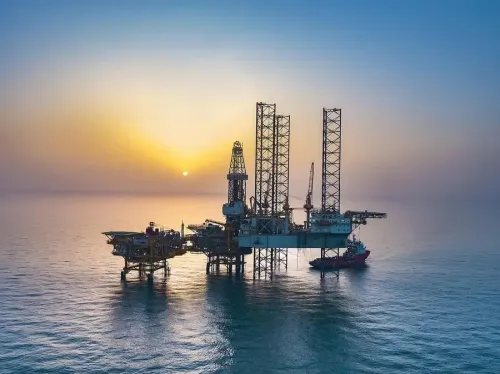
Japan relies on over 90% of its oil imports from West Asia, making it vulnerable to disruptions in the Strait of Hormuz. This strategic waterway has seen the transport of oil and gas from Persian Gulf suppliers obstructed due to tensions following US and Israeli strikes on Iran in February.
The Strait of Hormuz is a crucial passage linking the Gulf to the Arabian Sea, serving as one of the world’s primary oil transit chokepoints. A substantial portion of crude exports from Gulf producers traverses this route, making any threat to it a critical concern for global energy markets.
As of the end of December, Japan's oil reserves totaled 470 million barrels, enough for 254 days of domestic usage, with 146 days held by the government, 101 days by the private sector, while the remainder is collaboratively stored with oil-producing nations, according to Kyodo News.
The current conflict escalated after joint US-Israel strikes on Iran on February 28, prompting Iran to retaliate with drone and missile attacks targeting US assets, regional capitals, and allied forces in West Asia.
Point of View
It is crucial to note the implications of Prime Minister Takaichi's decision to release Japan's oil reserves independently. This reflects Japan's urgent response to a volatile situation in West Asia, underscoring the nation's vulnerability due to its heavy reliance on imported oil. The decision aims to stabilize domestic fuel prices and ensure public welfare amidst international tensions.
NationPress
30 Sept 2026
Frequently Asked Questions
Why is Japan releasing its oil reserves?
Japan is releasing its oil reserves to mitigate potential price increases in gasoline and other petroleum products due to the ongoing conflict in West Asia.
How much oil will Japan release?
Japan plans to release reserves equivalent to 15 days worth from the private sector, followed by one month worth from government-held oil.
Is this the first time Japan is releasing oil reserves independently?
Yes, this is the first occasion since 1978 that Japan will release its government oil reserves without international coordination.
What impact does the conflict in West Asia have on Japan's oil supply?
The conflict in West Asia raises concerns about disruptions in oil supply, as Japan relies on over 90% of its oil imports from this region.
How does this decision affect gasoline prices in Japan?
The decision aims to prevent gasoline prices from exceeding 200 Yen per liter and to maintain them around 170 Yen using government funds.