CM Himanta's I-Day address: Assam's culture and development wins
Synopsis
On Independence Day 2026, Assam CM Himanta Biswa Sarma highlighted the classical language status granted to Assamese, UNESCO's recognition of Charaideo Maidam, and the state's commitment to women and youth empowerment under the Viksit Assam framework.
Key Takeaways
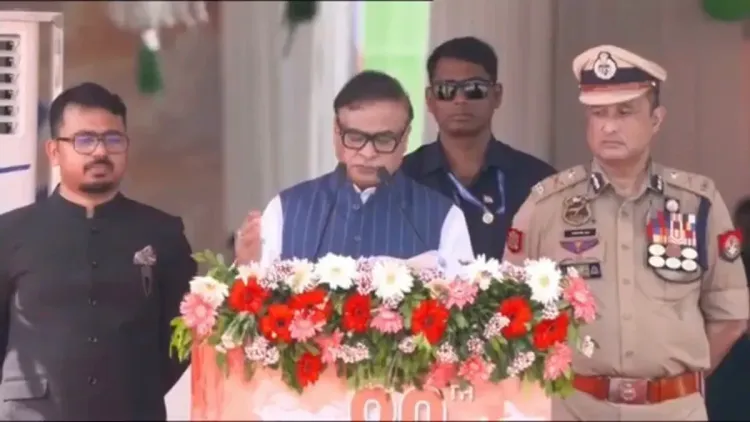
Independence Day, 15 August 2026 : CM Dr Himanta Biswa Sarma addressed Assam's achievements and development goals.
The Union Cabinet granted classical language status to Assamese in October 2024 , unlocking prestige and central funding for preservation.
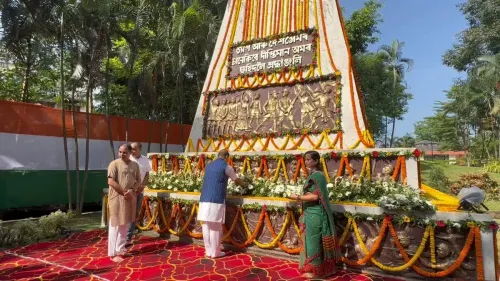
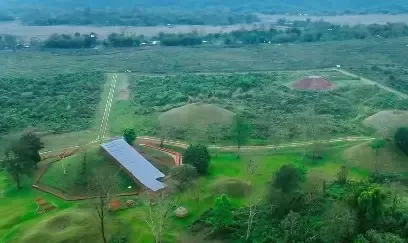
Charaideo Maidam — ancient Ahom royal burial mounds — was inscribed on the UNESCO World Heritage List in 2024 , Assam's first such entry.
Viksit Assam is the state's development vision aligned with India's Viksit Bharat 2047 national roadmap.
Women and youth empowerment were foregrounded as the primary drivers of Assam's development acceleration.
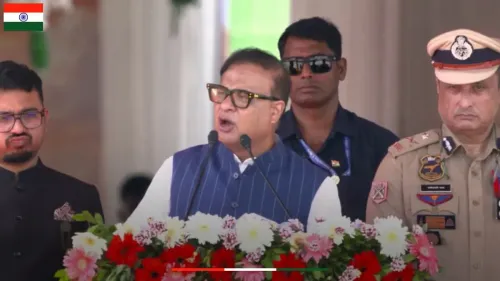
On Independence Day, 15 August 2026, Chief Minister Dr Himanta Biswa Sarma used Assam's biggest national stage to stack up a ledger of wins — classical language recognition for Assamese, a UNESCO World Heritage inscription for Charaideo Maidam, and a renewed pledge to accelerate women's and youth empowerment under the Viksit Assam vision.
Two landmark recognitions anchoring the address
The twin cultural victories CM Sarma foregrounded are not rhetorical flourishes — they are concrete, dated achievements. The Union Cabinet granted classical language status to Assamese in October 2024, placing it alongside Sanskrit, Tamil, Telugu, Kannada, Malayalam, and Odia in a club that carries both prestige and central government funding for research and preservation. Months later, UNESCO inscribed the Charaideo Maidams — the ancient Ahom royal burial mounds in eastern Assam — on its World Heritage List during its 2024 session, giving the state its first entry on that list and a global heritage identity to build tourism and conservation around.
Together, the two recognitions gave the Sarma government a ready Independence Day narrative: Assam's civilisational depth is now internationally certified, not just locally claimed.
Viksit Assam and the 2047 arc
The Viksit Assam framework is Assam's state-level translation of the national Viksit Bharat 2047 development roadmap — the Union government's ambition to make India a developed nation by its centenary of independence. CM Sarma's Independence Day address explicitly reaffirmed the state's commitment to accelerating that journey, with women and youth cited as the primary engines. The framing is deliberate: linking heritage pride to forward-looking development targets is a pattern the Assam government has refined across successive national occasions, signalling both cultural confidence and policy momentum to a domestic and national audience.
What the empowerment push means on the ground
The address flagged progress on empowering women and youth — the two demographic cohorts at the centre of Assam's social welfare agenda. Specific scheme rollouts and budget allocations for the next cycle will be the real test of that commitment, with analysts watching whether the state's next budget translates the Independence Day rhetoric into line-item expenditure on skilling, self-help groups, and employment generation across the Brahmaputra valley and the hill districts.
For a state that has historically been underrepresented in national cultural conversations, a single year that produced both a classical language tag and a UNESCO inscription is a political asset CM Sarma is clearly determined to spend wisely.
Point of View
Not manufactured optics, which gives the narrative unusual durability. The real political test will come in the budget cycle: whether the women and youth empowerment pledges translate into measurable scheme expenditure or remain aspirational scaffolding around a strong cultural story.
NationPress
30 Sept 2026
Frequently Asked Questions
When did Assamese get classical language status?
The Union Cabinet granted classical language status to Assamese in October 2024 , recognising its ancient literary tradition and placing it among India's officially designated classical languages.
What is Charaideo Maidam and why is it significant?
Charaideo Maidam are the ancient royal burial mounds of the Ahom dynasty located in eastern Assam. UNESCO inscribed them on its World Heritage List in 2024 , making them Assam's first UNESCO World Heritage Site.
What is Viksit Assam?
Viksit Assam is the Assam government's state-level development vision, aligned with the national Viksit Bharat 2047 framework that aims to make India a developed nation by the centenary of its independence.
What did CM Himanta Biswa Sarma say on Independence Day 2026?
CM Dr Himanta Biswa Sarma highlighted Assam's achievements — including the classical language status for Assamese and UNESCO recognition for Charaideo Maidam — and reaffirmed the state's commitment to accelerating development, particularly for women and youth.
How many UNESCO World Heritage Sites does Assam have?
With the 2024 inscription of Charaideo Maidam , Assam gained its first UNESCO World Heritage Site designation, a milestone the state government has prominently cited in its development narrative.