Japan Releases 20 More Days' Oil Reserves Starting May 1
Synopsis
Japan will release an additional 20 days' worth of oil reserves worth USD 3.4 billion starting May 1 — its second consecutive strategic drawdown — as Strait of Hormuz tensions threaten to cut off 90% of the country's crude oil supply. PM Takaichi personally lobbied Saudi Arabia's Crown Prince to keep oil flowing.
Key Takeaways
Japan will release additional oil reserves equivalent to 20 days' supply starting May 1, 2025 , its second consecutive strategic drawdown.
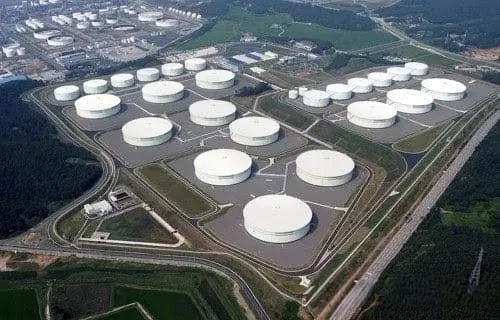
The release covers 5.8 million kilolitres of crude oil valued at 540 billion yen (USD 3.4 billion) , per Japan's Ministry of Economy, Trade and Industry .
This follows an earlier release of 50 days' worth of oil reserves, bringing the total combined drawdown to over 70 days' supply .
Japan relies on West Asia for over 90% of its crude oil imports, the majority of which passes through the Strait of Hormuz .
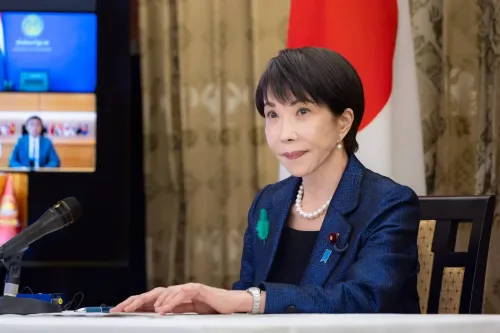
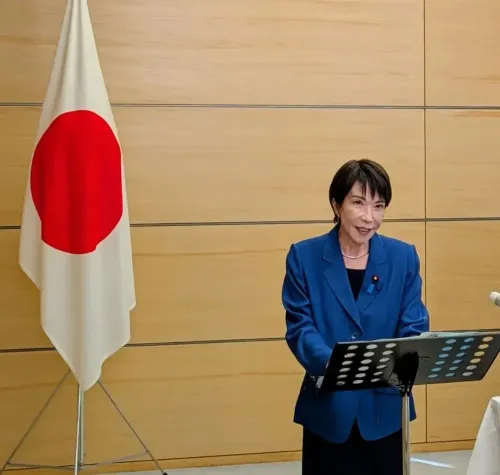
PM Sanae Takaichi spoke with Saudi Crown Prince Mohammed bin Salman on April 23 , securing Riyadh's commitment to continue oil supplies and support safe navigation through the strait.
PM Takaichi called for a final US-Iran agreement through talks, affirming Japan's support for diplomatic efforts and mediating countries involved in the negotiations.
Tokyo, April 24: Japan has announced a second strategic release of national oil reserves, equivalent to approximately 20 days' worth of supply, beginning May 1, as mounting tensions around the Strait of Hormuz continue to threaten the country's energy security. The decision, reported by local media on Friday, follows an earlier drawdown of 50 days' worth of reserves and underscores Japan's acute vulnerability to West Asian geopolitical instability.
Scale of the Second Reserve Release
According to Japan's Ministry of Economy, Trade and Industry (METI), the second tranche of oil reserve releases will amount to 5.8 million kilolitres, valued at approximately 540 billion yen (USD 3.4 billion). This represents one of the largest consecutive strategic petroleum reserve (SPR) deployments in Japan's post-war energy history.
The move is designed to stabilise domestic energy supply and prevent price shocks as global crude markets remain rattled by the ongoing conflict in West Asia. Japan, which imports over 90 per cent of its crude oil from the region, has virtually no buffer against a prolonged disruption of the Strait of Hormuz — the narrow maritime chokepoint connecting the Persian Gulf to the Arabian Sea through which approximately one-fifth of global oil trade transits daily.
Why the Strait of Hormuz Matters to Japan
The Strait of Hormuz is arguably the single most critical energy corridor for Japan's economy. Unlike energy-rich nations or countries with diversified import routes, Japan depends almost entirely on West Asian crude flowing through this narrow passage. Any sustained blockade or military escalation in the strait could trigger fuel shortages, spike inflation, and destabilise Japan's manufacturing-heavy economy within weeks.
This is not the first time Japan has tapped its strategic reserves in response to global supply shocks. In 2022, Japan coordinated with the International Energy Agency (IEA) to release reserves following Russia's invasion of Ukraine. However, the current release — the second consecutive drawdown in response to the West Asia conflict — signals a deepening and prolonged energy emergency.
PM Takaichi's Diplomatic Push with Saudi Arabia
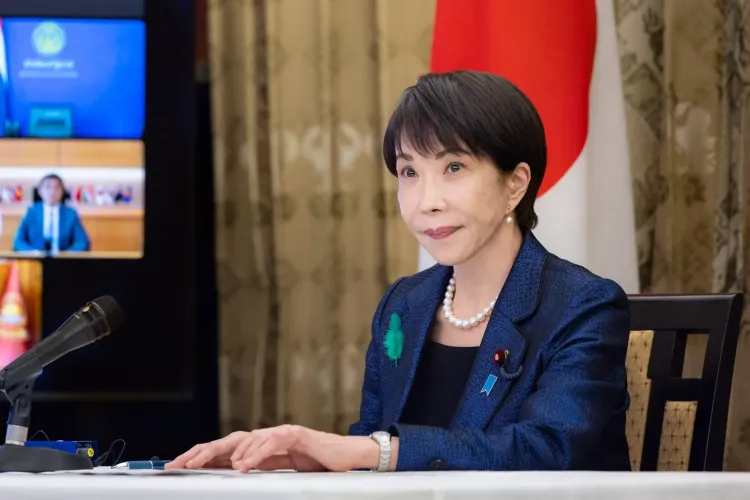
On April 23, Japanese Prime Minister Sanae Takaichi held a telephonic conversation with Saudi Arabia's Crown Prince Mohammed bin Salman bin Abdulaziz Al-Saud, expressing solidarity with Riyadh over human and material losses caused by Iranian attacks. PM Takaichi stressed the importance of maintaining a ceasefire, de-escalating tensions, and ensuring safe navigation through the Strait of Hormuz.
PM Takaichi also underscored the importance of US-Iran diplomatic talks reaching a final agreement, affirming that Japan has actively supported both bilateral negotiations and the diplomatic efforts of mediating nations. This positions Japan as a quiet but invested stakeholder in West Asian peace diplomacy — a role it has historically played given its energy dependence on the region.
Crucially, PM Takaichi expressed gratitude to Saudi Arabia for continuing crude oil shipments to Japan via Yanbu Port even after hostilities erupted, and formally requested expanded energy cooperation going forward.
In response, Crown Prince Mohammed bin Salman reaffirmed Saudi Arabia's commitment to ensuring stable energy supplies to markets including Japan, and pledged continued cooperation in maintaining safe maritime navigation through the Strait of Hormuz, according to a statement released by Japan's Prime Minister's Office.
Strategic and Economic Implications for Japan
Japan's back-to-back reserve releases totalling over 70 days' worth of oil supply reveal the severity of the energy threat Tokyo perceives. While the reserves provide a short-term buffer, economists warn that a prolonged conflict could exhaust even these stockpiles, forcing Japan to seek emergency imports from alternative suppliers such as the United States, Australia, or Southeast Asian nations — at significantly higher costs.
The ripple effects extend beyond energy markets. Higher oil import costs will widen Japan's trade deficit, put upward pressure on consumer prices, and could weaken the already fragile Japanese yen. For ordinary Japanese households, this translates into higher fuel bills, costlier goods, and potential disruptions to public transport and industrial output.
Notably, Japan's METI has been quietly accelerating its energy diversification strategy, including increased investment in liquefied natural gas (LNG) from Australia and Qatar, and renewed discussions on nuclear energy expansion — a politically sensitive topic domestically since the 2011 Fukushima disaster.
What to Watch Next
All eyes are now on the progress of US-Iran negotiations, which PM Takaichi identified as the most critical pathway to resolving the crisis. A successful agreement could reopen the Strait of Hormuz to unimpeded traffic and ease global energy market anxieties. Conversely, a breakdown in talks risks pushing crude oil prices sharply higher — with severe consequences for import-dependent economies like Japan, India, South Korea, and much of Southeast Asia.
The May 1 commencement of the second oil reserve release will be closely monitored by energy markets globally. Any further escalation in the Persian Gulf could prompt Tokyo to coordinate additional releases with IEA member nations or seek emergency bilateral supply agreements with Gulf Cooperation Council (GCC) states.
Point of View
The deeper irony is that Japan — a pacifist nation with no military stake in West Asia — may suffer some of the most severe economic consequences of a conflict it has no power to stop. This crisis should accelerate Japan's long-overdue energy diversification, but history suggests political will evaporates when oil prices stabilise.
NationPress
19 Sept 2026
Frequently Asked Questions
Why is Japan releasing oil reserves in May 2025?
Japan is releasing additional oil reserves worth approximately 20 days' supply starting May 1, 2025, due to ongoing tensions around the Strait of Hormuz that threaten its crude oil imports. Japan depends on West Asia for over 90% of its crude oil, most of which transits through the Strait of Hormuz.
How much oil is Japan releasing and what is it worth?
Japan's second reserve release amounts to 5.8 million kilolitres of oil, valued at 540 billion yen (approximately USD 3.4 billion). This follows an earlier release equivalent to 50 days' worth of oil supply.
What is the Strait of Hormuz and why does it matter to Japan?
The Strait of Hormuz is a narrow maritime corridor linking the Persian Gulf to the Arabian Sea, through which about one-fifth of global oil trade passes. For Japan, it is critical because the vast majority of its crude oil imports travel through this chokepoint.
What did Japan's PM Takaichi discuss with Saudi Arabia's Crown Prince?
On April 23, PM Sanae Takaichi spoke with Crown Prince Mohammed bin Salman, expressing sympathy over Iranian attacks and urging de-escalation and safe navigation through the Strait of Hormuz. She also thanked Saudi Arabia for continuing oil shipments via Yanbu Port and requested expanded energy cooperation.
How does the West Asia conflict affect global oil supply?
The West Asia conflict has created uncertainty around the Strait of Hormuz, a passage through which roughly 20% of global oil trade flows daily. Disruption to this route could cause significant oil price spikes and supply shortages for import-dependent nations across Asia and Europe.