Japan Takes Action: Oil Reserves Released Amid West Asia Tensions
Synopsis
Japan has begun releasing oil from its state reserves to combat rising prices and supply concerns stemming from the West Asia conflict. This strategic move comes alongside new gasoline subsidies aimed at supporting consumers. Discover how this impacts Japan's economy and its reliance on Middle Eastern oil.
Key Takeaways
Japan has released 30 days' worth of oil from state reserves.
Concerns over West Asia tensions are driving economic actions.
Gasoline subsidies have been reinstated to help consumers.
Japan relies on Middle Eastern oil for over 90% of its supply.
Philippines enacts law to manage fuel taxes.
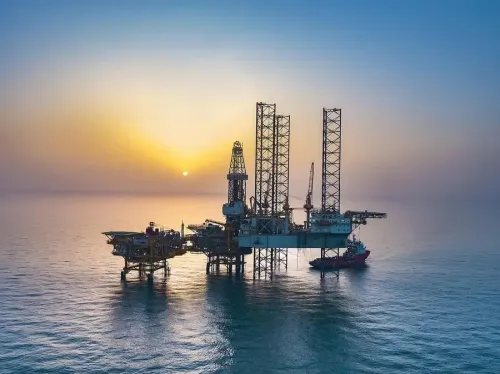
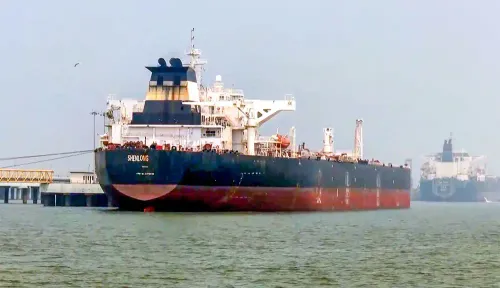
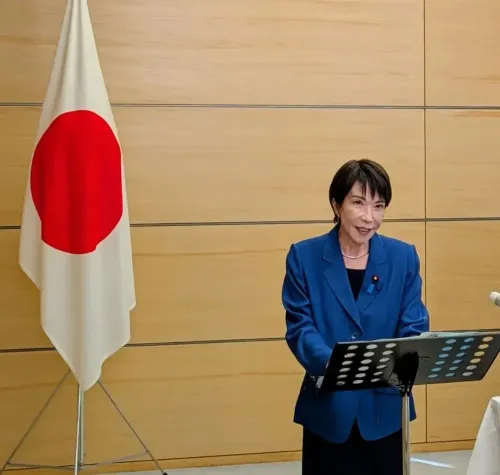
On March 26, Tokyo (NationPress) initiated the release of 30 days' worth of oil from its national reserves to mitigate the economic fallout from the ongoing conflict in West Asia, as rising concerns about supply and escalating oil prices become more pronounced, according to local media reports.
This action follows Japan's decision to draw down 15 days' worth of oil from private stockpiles, which began last Monday, as reported by the Xinhua news agency.
The government is set to sell approximately 8.5 million kiloliters of oil from 11 storage facilities nationwide, as detailed by Kyodo News.
Additionally, Japan plans to utilize joint oil reserves held with three Middle Eastern countries, including the United Arab Emirates, with an expected release of five days' worth by next Tuesday for distribution to oil wholesalers.
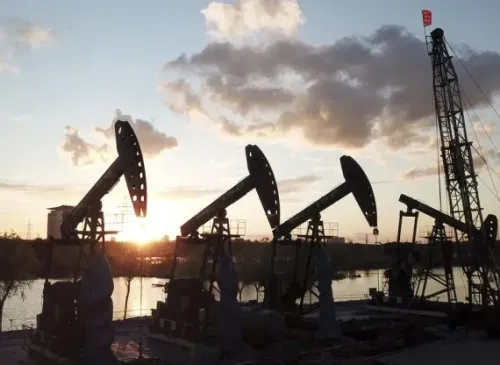
With over 90 percent of its crude oil imports sourced from the Middle East, Japan faces significant vulnerability due to the effective closure of the Strait of Hormuz following the escalation of conflict in late February. This disruption has resulted in sharp increases in both crude oil and retail gasoline prices.
To further cushion the impact, the Japanese government has reinstated gasoline subsidies, which have lowered the average retail price for regular gasoline to 177.7 yen (approximately 1.11 US dollars) per liter from a previous peak of 190.8 yen last week, as per Kyodo News.
By the end of 2025, Japan's oil reserves were equivalent to 254 days of domestic demand.
The repercussions of the tensions in West Asia are being felt across multiple nations.
In the Philippines, President Ferdinand Romualdez Marcos recently enacted a law enabling the government to temporarily suspend or reduce fuel excise taxes on petroleum when global oil prices cross a specified threshold.
Republic Act No. 12316 grants the president the authority to act upon the recommendation of the Development Budget Coordination Committee and in conjunction with the Secretary of the Department of Energy if the average price of Dubai crude oil surpasses 80 U.S. dollars per barrel for one month.
Any suspension or reduction in fuel excise taxes can be enforced for periods of up to three months at a time, not exceeding a total of one year.
The tax rates will automatically revert to their original levels either one week after the average Dubai crude price falls below 80 U.S. dollars per barrel or after three months, whichever is sooner.
This measure seeks to provide the government with a flexible method to alleviate the impact of rising fuel costs on consumers and the wider economy.
The act will come into effect in 15 days, and the powers granted to the president under this legislation will remain valid until December 31, 2028.
Point of View
It's imperative to highlight Japan's proactive measures amid geopolitical instability. The government's approach to releasing oil reserves and reinstating gasoline subsidies showcases a commitment to safeguarding the economy and consumer interests. This situation underscores the critical reliance on Middle Eastern oil and the need for strategic energy policies.
NationPress
15 Oct 2026
Frequently Asked Questions
Why is Japan releasing oil from its reserves?
Japan is releasing oil from its reserves to mitigate the economic impact of the ongoing conflict in West Asia, which has caused concerns over supply and rising oil prices.
How much oil is Japan planning to sell?
Japan plans to sell approximately 8.5 million kiloliters of oil from 11 storage bases across the country.
What measures is Japan taking to support consumers?
Japan has reinstated gasoline subsidies to lower fuel costs for consumers, bringing down the average retail price for regular gasoline.
How does the West Asia conflict affect Japan's oil supply?
With over 90% of its crude oil imports coming from the Middle East, Japan is highly vulnerable to disruptions in this region, particularly following recent conflicts.
What is Republic Act No. 12316 in the Philippines?
This law allows the Philippine government to temporarily suspend or cut fuel excise taxes on petroleum when global oil prices exceed $80 per barrel.