US Energy Secretary Highlights Temporary Market Disruptions Due to Iran Conflict
Synopsis
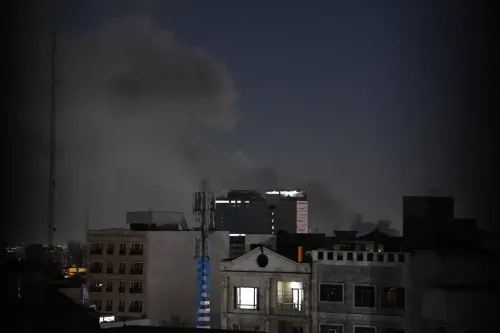
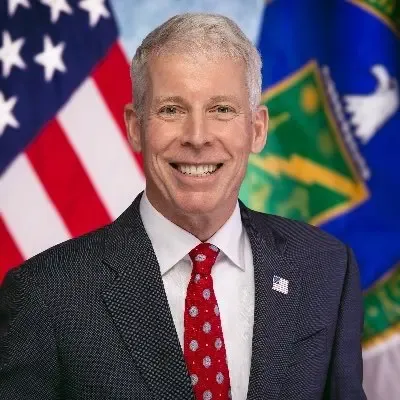
US Energy Secretary Chris Wright has stated that the ongoing conflict with Iran may lead to short-term disruptions in energy markets. However, he assures that the effects will be temporary, with military efforts aimed at stabilizing oil supplies in the Strait of Hormuz.
Key Takeaways
Temporary disruptions in energy markets anticipated due to Iran conflict.
US releasing strategic petroleum reserves to mitigate impact.
International cooperation to release 400 million barrels of oil.
Focus on degrading Iran's military capabilities to ensure maritime security.
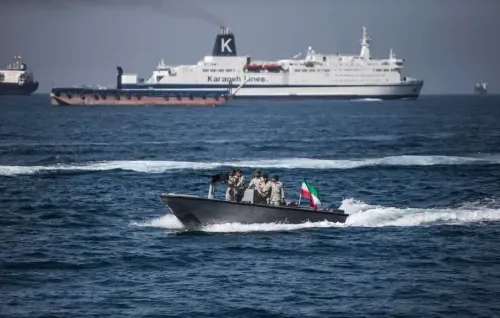
Expect shipping through the Strait of Hormuz to resume soon.
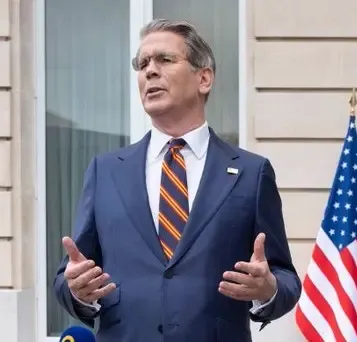
Washington, March 12 (NationPress) US Energy Secretary Chris Wright warned that energy markets might experience temporary disruptions as the ongoing conflict with Iran impacts oil shipments. However, he emphasized that the effects would likely be short-lived and that military actions would ultimately restore stability to global energy supplies.
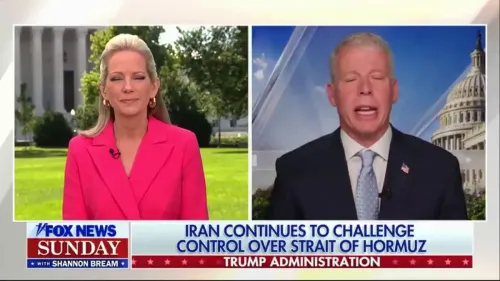
In a series of television appearances on Fox News and News Nation, Wright stated that the United States, alongside its allies, is releasing strategic petroleum reserves while military operations aim to secure the Strait of Hormuz, a vital oil transit route.
During an interview with Chris Cuomo of News Nation, Wright expressed confidence that the economic repercussions of the conflict would be brief. He remarked, “We’ve consistently stated that the conflict will unfold over weeks, not months.”
He acknowledged that the conflict might lead to a temporary rise in energy prices, stating, “Every spokesperson from our administration has warned that energy prices will rise due to this disruption.”
Wright also dismissed claims that the US could dictate global oil prices, noting that energy markets function on an international scale. “We never claimed to control oil prices; that notion is absurd,” he said during the News Nation interview. “Fortunately, the US is currently the leading producer of natural gas globally.”
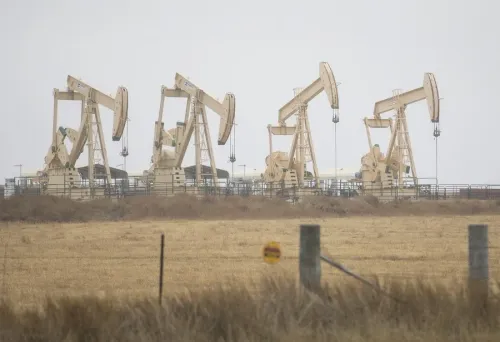
He confirmed that the government has initiated the release of oil reserves to act as a cushion against potential supply shortages. “We’ve begun utilizing the strategic petroleum reserve as intended,” Wright explained, “and we’re working to compensate for the lost oil by tapping into reserves from over 30 countries worldwide.”
In a separate discussion with Fox News host Laura Ingraham, Wright detailed a coordinated international strategy to release hundreds of millions of barrels of oil to stabilize markets while the flow through the Strait of Hormuz is interrupted. “We are set to collectively release 400 million barrels to help balance the market during this Iranian-induced restriction,” he stated.
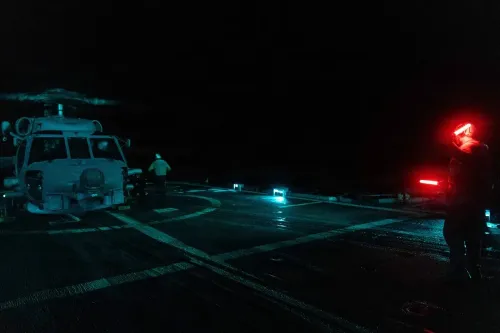
Wright underscored that the primary aim of US policy is to diminish Iran’s capacity to threaten maritime activities in the Gulf. “The urgent priority is for the US military to reduce Iran’s power projection capabilities,” he remarked on Fox News, adding that US forces are continuously working to diminish Iran’s military threats in the Strait of Hormuz.
The administration anticipates that shipping traffic through this crucial waterway will resume once Iran's military influence is curtailed. “We hope to see a return to shipping activity in the Strait within a few weeks,” Wright stated. “The global situation will return to normal.”
Throughout the interviews, Wright vehemently criticized Iran for its role in fostering regional instability, asserting that the nation is a significant contributor to the geopolitical tensions that disrupt energy markets. “Iran is at the core of the economic difficulties in the Middle East, primarily due to the volatility in energy markets,” he declared in the News Nation interview.
He argued that diminishing Iran's military strength would ultimately lead to a stabilization of energy markets and promote investments in the region. “The world will change for the better once we overcome this situation,” Wright concluded.
Point of View
It is clear that the situation surrounding the Iran conflict is critical, with potential implications for global energy markets. The US administration’s proactive measures aim to mitigate short-term disruptions, but the long-term effects on pricing and stability remain to be seen.
NationPress
19 Sept 2026
Frequently Asked Questions
What impact does the Iran conflict have on US energy markets?
The conflict is expected to cause temporary disruptions in energy markets, leading to potential increases in oil prices.
How is the US responding to the energy disruptions?
The US is releasing strategic petroleum reserves and coordinating with international partners to stabilize oil markets.
Will the disruptions last long?
Officials indicate that the disruptions are expected to be short-lived, with military efforts aimed at restoring stability.
What is the Strait of Hormuz's role in global oil shipping?
The Strait of Hormuz is one of the world's most crucial oil shipping routes, and disruptions here can significantly impact global oil supplies.
What measures are being taken to offset oil supply losses?
The US plans to release hundreds of millions of barrels of oil from reserves to help stabilize markets during this period.