Trump Administration Predicts Swift End to Iran Conflict Amid Ongoing Struggles
Synopsis
In a surprising statement, senior Trump officials suggest the Iran war could conclude within weeks, despite ongoing fighting and rising oil prices. Iran remains defiant, vowing to continue its military response. Discover the latest developments in this high-stakes geopolitical conflict.
Key Takeaways
Trump officials predict a swift end to the Iran conflict.
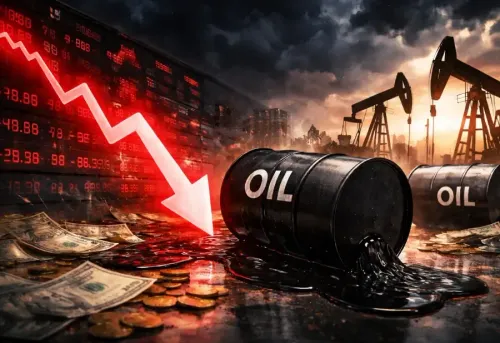
Oil prices are rising due to disruptions in shipping.
Iran remains committed to its military response.
US officials call for allied support to secure the Strait of Hormuz.
The situation continues to evolve with significant geopolitical implications.
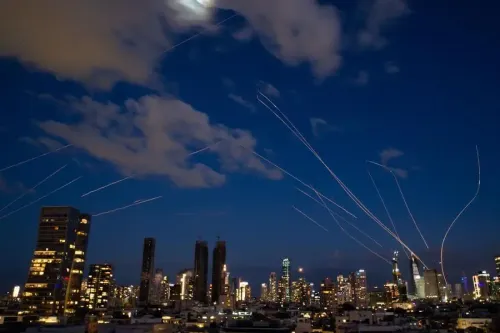
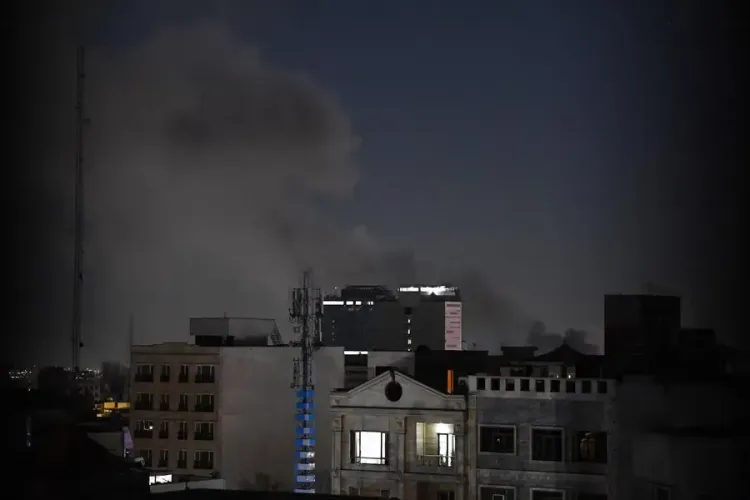
Washington, Mar 16 (NationPress) Senior officials from the Trump administration have indicated that the ongoing conflict with Iran may reach a conclusion in a matter of weeks, despite ongoing hostilities throughout the Middle East and escalating oil prices due to disruptions in the Strait of Hormuz.
As the conflict marks its third week, global energy markets are feeling the strain from a significant slowdown in shipping traffic through this crucial maritime route.
During an appearance on ABC's This Week, US Energy Secretary Chris Wright expressed confidence in the swift progress of military operations.
“There's no certainty in warfare,” Wright acknowledged during his discussion with ABC News anchor Martha Raddatz.
However, he conveyed optimism that the conflict would likely end soon.
“I anticipate that this situation will certainly conclude within the next few weeks and potentially even sooner,” Wright stated.
Additionally, White House economic advisor Kevin Hassett indicated that the military campaign is advancing more rapidly than initially expected.
“The Department of War estimated that it would take four to six weeks to accomplish this mission, and we are ahead of schedule,” Hassett remarked during an interview on CBS's Face the Nation.
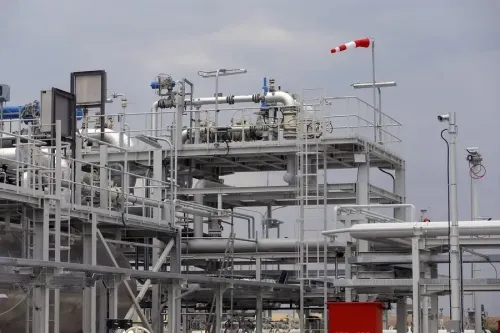
The ongoing war has caused significant disruptions in global energy markets, with tanker traffic through the Strait of Hormuz — a vital oil shipping route — experiencing a sharp decline due to security concerns and attacks.
US officials report that the administration is encouraging allies to assist in securing the waterway and safeguarding commercial shipping.
Wright mentioned that while disruptions are anticipated, they are expected to be temporary.
“Yes, we are experiencing disruptions, and we do have disruptions,” he noted.
President Donald Trump has also suggested that the conflict will ultimately lead to stability in energy markets and the broader region.
“The president will determine if they can no longer use blackmail against us and threaten our neighbors,” Hassett shared on CBS.
On the other hand, Iran has firmly rejected claims that it is seeking a ceasefire, asserting its commitment to continue fighting and defending itself as long as necessary.
In an interview on CBS's Face the Nation, Iranian Foreign Minister Abbas Araghchi denied that Tehran had requested a ceasefire or negotiations with Washington.
“No, we have never asked for a ceasefire, nor have we requested negotiations,” Araghchi stated to CBS moderator Margaret Brennan.
He affirmed that Iran is prepared to respond militarily to what it perceives as aggression from the United States.
“We are ready to defend ourselves for as long as necessary,” Araghchi declared.
The foreign minister insisted that the conflict was instigated by Washington, accusing President Donald Trump of opting for war.
“This is a war of choice initiated by President Trump and the United States, and we will continue our self-defense,” he elaborated.
Araghchi dismissed notions that Tehran needs to negotiate to endure the conflict.
“No, this is not a war for survival. We are stable and strong enough,” he concluded.
Point of View
The situation reflects the complexities of international relations where military strategies and economic consequences intertwine. The divergent perspectives of the US and Iran highlight the ongoing challenges in achieving peace and stability in the region.
NationPress
3 Oct 2026
Frequently Asked Questions
What did Trump officials say about the Iran war?
Officials from the Trump administration indicated that the conflict with Iran could end within weeks, citing rapid progress in military operations.
How has the war affected oil prices?
The ongoing conflict has led to significant disruptions in the Strait of Hormuz, causing oil prices to rise due to decreased tanker traffic.
What is Iran's position on a ceasefire?
Iran has rejected any suggestions of seeking a ceasefire, asserting its commitment to continue fighting as long as necessary.
Who is the US Energy Secretary?
Chris Wright is the US Energy Secretary who commented on the progress of military operations in the conflict with Iran.
What is the significance of the Strait of Hormuz?
The Strait of Hormuz is one of the world's most crucial oil shipping routes, and disruptions there significantly impact global energy markets.