Trump's Address on Iran Conflict: Key Questions Remain Open
Synopsis
In a recent address, President Trump claimed the Iran conflict is nearing its end, yet left crucial strategic questions unanswered. This lack of clarity raises concerns about the future of US involvement and regional stability. Read on for an in-depth analysis.
Key Takeaways
Trump claims conflict with Iran is nearing completion.
No clarity on US troop deployment or exit strategy.
Strategic Strait of Hormuz remains a focal point.
Insufficient details about allies and future governance.
Concerns about regional stability and escalation risks.
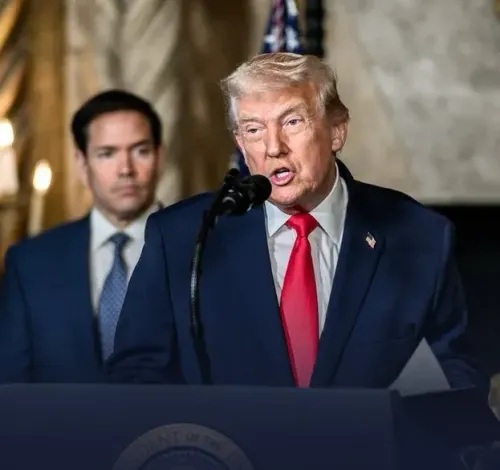
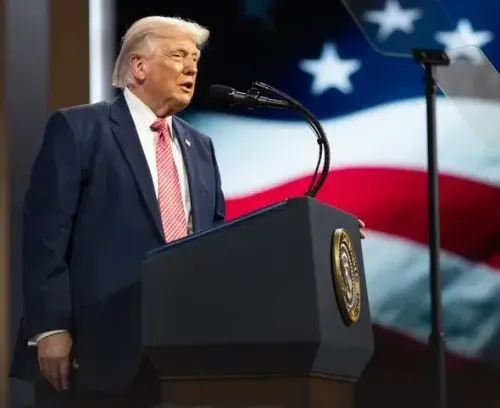
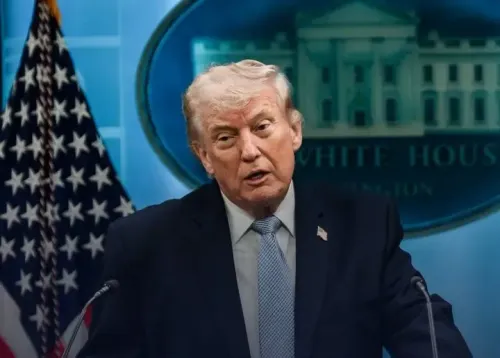
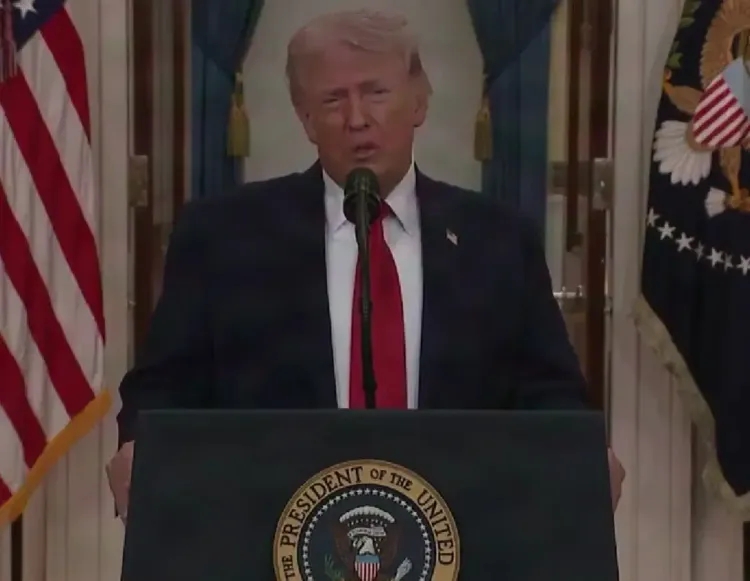
Washington, April 2 (NationPress) In a televised address, US President Donald Trump declared that the conflict with Iran is "approaching its conclusion". However, he left many vital questions concerning the military strategy, the potential for escalation, and the ultimate objectives of the war unaddressed, as reported by various US media outlets.
Despite ongoing talks in Washington about possible military actions, the President did not provide any definitive information regarding the deployment of US ground troops in Iran.
Trump also refrained from proposing any diplomatic solutions or exit strategies, even while indicating that the conflict might extend for an additional two to three weeks, as noted by The New York Times and The Washington Post.
He made a brief mention of the strategic Strait of Hormuz, implying that other nations—especially those reliant on Middle Eastern oil—should assume responsibility for its reopening.
“We will assist, but they must take the lead,” he remarked, further stating that the waterway would “naturally reopen” once hostilities cease, as reported by US media.
According to The New York Times, Trump did not elaborate on the contributions of essential allies, such as Israel, despite the collaborative nature of military activities in the region. He also neglected to discuss coordination with NATO allies, even though earlier reports indicated tensions regarding alliance support.
Regarding Iran's future, Trump asserted that “regime change was not our aim,” while hinting that leadership shifts had already occurred following US and Israeli strikes, according to real-time coverage from The Washington Post.
However, the address did not address Iran’s evolving leadership dynamics or mention figures like Mojtaba Khamenei, identified in reports as a significant power player following the deaths of high-ranking officials, as highlighted by The New York Times.
Trump also failed to clarify whether the US would seek to secure Iran’s nuclear materials, with experts cautioning that retrieving enriched uranium buried deep underground would necessitate perilous ground operations, according to analysis from The New York Times.
While he reiterated claims that Iran’s military power had been “significantly diminished,” reports indicate that Tehran continues to carry out missile and drone attacks throughout the region.
The address primarily reiterated existing narratives, offering no new developments on military or diplomatic fronts, as per various US media reports.
Analysts cited in these reports expressed concerns that the lack of specifics regarding ground operations, security in Hormuz, and governance post-conflict leaves significant uncertainty about the next steps in the confrontation.
The Strait of Hormuz is a crucial chokepoint for global energy supplies, with interruptions already impacting markets and supply chains worldwide.
As the war enters its second month, it continues to raise pressing questions about escalation risks, regional stability, and the long-term strategic approach of the US in the Middle East.
Point of View
It is crucial to recognize the ambiguity surrounding President Trump's address on the Iran conflict. While reassurances were made, the lack of specific strategies and exit plans leaves a cloud of uncertainty over the US’s future actions in the region.
NationPress
7 Oct 2026
Frequently Asked Questions
What did Trump say about US troops in Iran?
Trump did not clarify whether US ground troops would be deployed in Iran, despite ongoing discussions in Washington.
Did Trump provide an exit strategy for the conflict?
No, he avoided outlining any diplomatic pathways or exit strategies during his address.
What is the significance of the Strait of Hormuz?
The Strait of Hormuz is a vital chokepoint for global energy supplies, and its security is crucial for international oil markets.
Did Trump mention the role of Israel in the conflict?
Trump made limited references to Israel's role and did not discuss cooperation with NATO allies.
What are the implications of the lack of specifics in his address?
The absence of detailed strategies raises concerns about the future course of the conflict and US involvement in the region.