Escalating Iran Conflict Shakes Washington and Fuels Oil Price Surge
Synopsis
The conflict with Iran is escalating, causing significant disturbances in Washington while oil prices climb. As military actions disrupt the vital Strait of Hormuz, political divisions widen. Dive into the complexities of this urgent situation and its far-reaching effects on global energy and US politics.
Key Takeaways
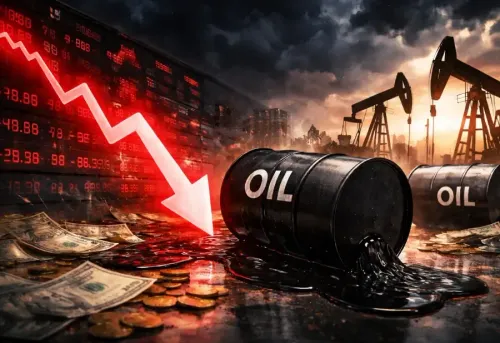
The conflict with Iran is causing oil prices to rise.
Military actions are disrupting energy flows through the Strait of Hormuz.
Political divisions in the US are widening due to the conflict.
The US claims significant success in degrading Iran's military capabilities.
Concerns are rising over the economic impact of the war on American citizens.
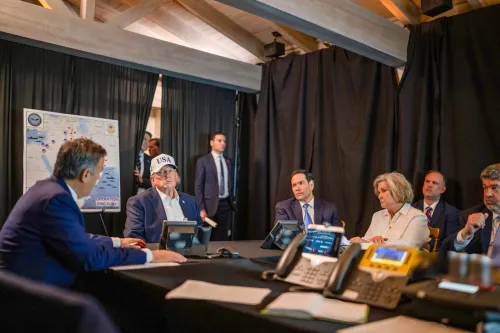
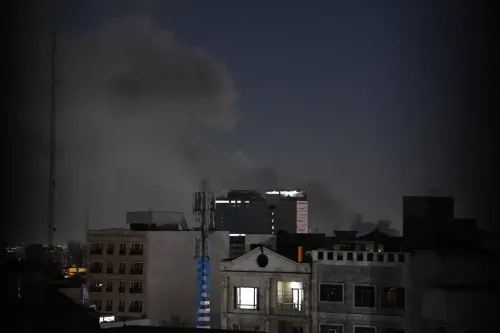
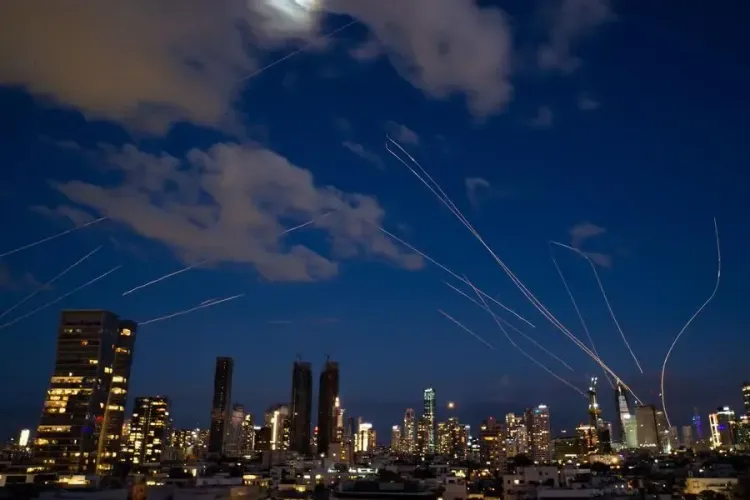
Washington, March 16 (NationPress) The ongoing conflict with Iran is creating turmoil in Washington and leading to an uptick in oil prices. Clashes in the Strait of Hormuz are interrupting global energy supplies. Additionally, the situation is exacerbating political rifts within the United States.
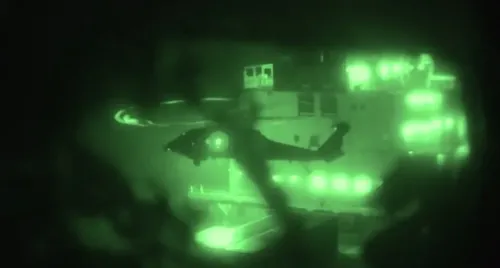
As the conflict enters its third week, energy distribution through the Strait of Hormuz has been compromised, igniting intense discussions across the political landscape regarding the strategy and implications of the war.
During an appearance on CNN’s State of the Union, US Ambassador to the United Nations Mike Waltz stated that the United States has substantially weakened Iran’s military strength.
“From a military standpoint, the US has significantly diminished Iran's air force, their defense systems, and their missile capabilities,” Waltz asserted in his conversation with CNN host Jake Tapper. “This is a remarkable victory, unlike anything we've witnessed in recent American military history.”
Waltz further contended that Iran's diplomatic standing is deteriorating, noting the United Nations' support for condemning Iran's assaults on civilian infrastructures.
“The Iranian government has never been more diplomatically isolated,” he emphasized.
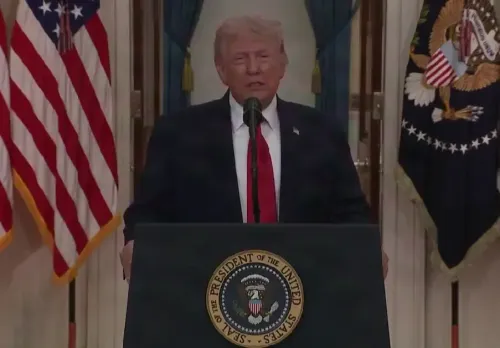
President Donald Trump, for his part, indicated that the conflict may persist until the US determines its goals have been achieved.
When questioned about the potential end date of the war, Trump mentioned in a Fox News interview: “I can't predict that. I have my own thoughts. It will last as long as it needs to.”
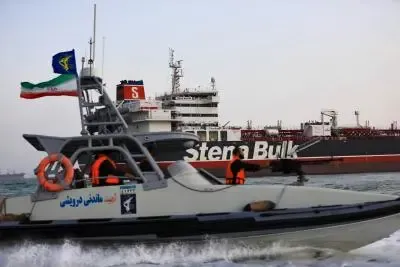
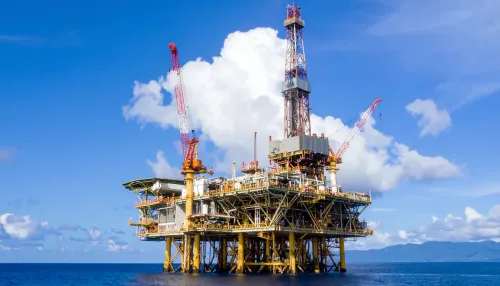
Iran is attempting to exploit its strategic position in the Strait of Hormuz, a critical global energy conduit, raising alarm about the possibility of extended interruptions to oil supplies and shipping routes.
Waltz noted that the disruption primarily impacts Asia.
“Eighty percent of the oil flowing from the Gulf is destined for Asia,” he stated on CNN, suggesting that nations reliant on this energy should assist in securing the waterway.
The conflict has also attracted sharp criticism from Democrats, who accuse the administration of initiating the war without congressional authorization.
Democratic Senator Cory Booker expressed in the CNN interview that the conflict signifies a constitutional overreach by the executive branch.
“It's outrageous that this unilateral war was initiated by a single individual, the president,” Booker remarked. “The Constitution clearly stipulates that a war of this magnitude should be brought before Congress.”
He added that lawmakers should not treat the situation lightly.
“This is a significant military endeavor... costing American taxpayers billions and tragically resulting in 13 fatalities,” he stated.
Former transportation secretary Pete Buttigieg also criticized the administration’s management of the war during an interview on CNN.
“What concerns me is not the soldiers and personnel serving. What worries me is the political leadership,” Buttigieg said.
He cautioned that Americans are already experiencing the economic repercussions of the conflict.
“Mortgage rates are rising because of this war. Food prices are set to increase due to this war. And, naturally, the cost of gasoline at the pump has surged because of this war,” Buttigieg stated.
The Pentagon has confirmed that 13 US service members have lost their lives since the conflict began, including six who perished in a refueling aircraft crash in Iraq. The cause of the crash is still under investigation.
Point of View
My perspective is focused on providing a balanced and thorough analysis of the unfolding situation between the United States and Iran. The conflict is not only a military issue but also has significant implications for energy security and domestic political stability. It is crucial to understand both sides of the narrative and the broader impact on international relations.
NationPress
26 Sept 2026
Frequently Asked Questions
What is the current status of the conflict with Iran?
The conflict is ongoing, with military actions primarily affecting the Strait of Hormuz, disrupting global energy flows.
How is the conflict impacting oil prices?
The fighting has led to increased oil prices due to fears of supply disruptions from the Strait of Hormuz, a key oil passage.
What are the political implications of the war?
The conflict is deepening political divisions in the US, with criticism from Democrats regarding the lack of congressional approval for military actions.
What has the US claimed regarding Iran's military capabilities?
US officials, including Ambassador Mike Waltz, assert that American military actions have significantly weakened Iran's military capabilities.
How many US service members have died in the conflict?
As of now, 13 US service members have died since the conflict began, including six in a refueling aircraft crash.