Har Ghar Tiranga: 1,600 Jeevika Didis stitch 80,000 flags in Samastipur
Synopsis
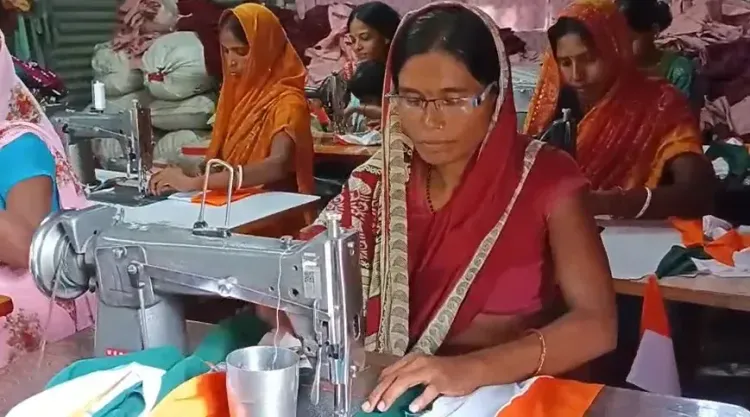
In Samastipur, the Har Ghar Tiranga campaign is doing double duty — spreading patriotism and generating income. Over 1,600 rural women from Jeevika self-help groups are stitching more than 80,000 Tricolours at ₹25 each, mirroring the same community pivot they made during COVID-19 when they produced masks. It is a rare government campaign where the supply chain itself is the welfare programme.
Key Takeaways
Over 1,600 Jeevika Didis in Samastipur, Bihar are producing more than 80,000 Tricolours for the Har Ghar Tiranga campaign.
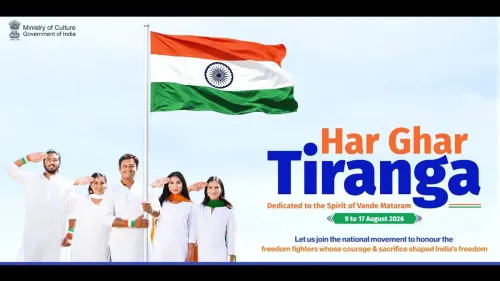
The campaign marks the 150th anniversary of the song Vande Mataram .
Each flag is priced at ₹25 ; every Jeevika group has been assigned a target of approximately 4,000 flags .
Orders have come from government departments, industrial units, community organisations, and the general public.
More than 10,000 flags have already been dispatched; 4,000 flags are ready for the Ujiyarpur block alone.
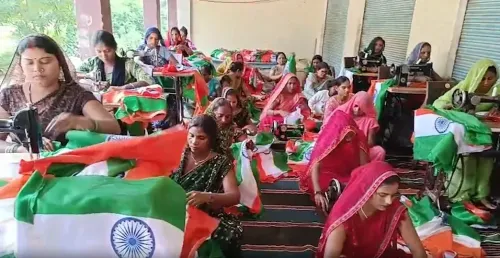
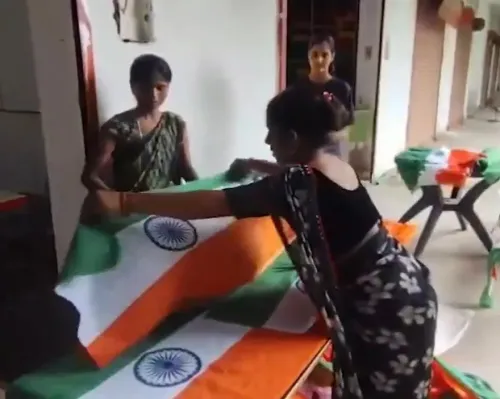
Women with sewing machines are also producing flags from home after receiving training, mirroring the group's COVID-19 mask-making effort.
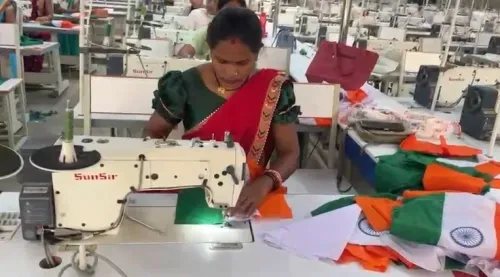
More than 1,600 Jeevika Didis in Bihar's Samastipur district are working around the clock to fulfil orders for over 80,000 Tricolours as part of the nationwide Har Ghar Tiranga campaign, being held to mark the 150th anniversary of the song Vande Mataram. The campaign has created a significant livelihood boost for women affiliated with the Bihar Rural Livelihoods Promotion Society (BRLPS), commonly known as Jeevika self-help groups.
Scale of the Campaign
Orders have poured in from government departments, industrial units, community organisations, and individual members of the public. Each flag has been priced at ₹25 to keep it affordable and ensure maximum reach. Every Jeevika group across the district's blocks has been assigned a production target of approximately 4,000 flags, enabling wide distribution ahead of the campaign's culmination.
So far, more than 10,000 flags have been dispatched to the district office and various blocks, with several thousand more ready for delivery. At a single centre, around 4,000 flags have been prepared specifically for the Ujiyarpur block, with further consignments to follow as demand requires.
What Officials Said
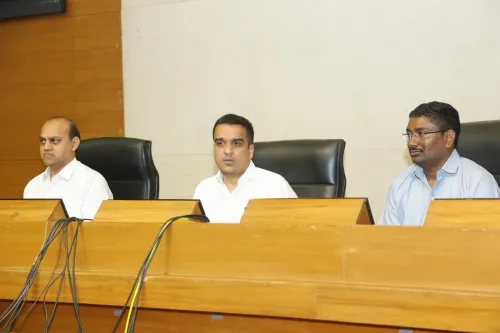
Dhananjay Kumar, Jeevika Project Manager in Samastipur, said the Government of India has issued clear directives for the campaign. 'Following instructions from the District Magistrate, every block has been made responsible for ensuring the availability of the Tricolour,' he said. Kumar added that Jeevika's core mandate is to provide sustainable livelihood opportunities to rural women so that every Jeevika Didi can contribute meaningfully to her family's income.
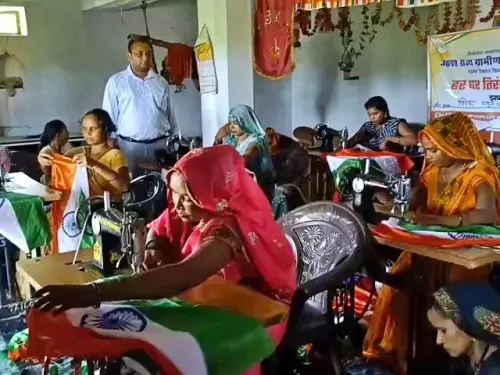
Neetu Kumari, in-charge of the Jeevika Women's Cluster Federation, said around 50 women are currently engaged in flag-making at her centre alone. 'Orders worth ₹20,000 to ₹25,000 have been received from the block level, of which work worth about ₹10,000 has already been completed,' she said. Women who own sewing machines are also producing flags from home after receiving the requisite training.
Voices from the Ground
Babita Kumari, a Jeevika Didi involved in the work, noted that her centre ordinarily produces garments such as nighties, Anganwadi uniforms, masks, petticoats, and salwar-suits. 'At present, however, priority is being given to making the Tricolour,' she said. She drew a parallel with the COVID-19 pandemic, when the same women pivoted swiftly to producing masks for public need — underscoring the adaptability that has become a hallmark of the Jeevika network.
Broader Significance
This comes amid a wider push by the Centre to make the Har Ghar Tiranga campaign self-sustaining through rural enterprise rather than centralised procurement. Routing flag production through self-help groups ensures that patriotic spending translates directly into rural women's incomes — a model that has drawn praise from district administration. With 12 August as the reporting date and the campaign window still open, production across Samastipur's blocks is expected to intensify further in the coming days.
Point of View
The district administration has turned a symbolic exercise into a measurable income transfer to rural women. The ₹25 price point is politically smart — affordable enough to drive volume, sufficient to keep the production economics viable. The real question is whether this model scales beyond the campaign window, or whether the Jeevika Didis return to nighties and Anganwadi uniforms once the flags are hoisted. Sustainable rural livelihoods require repeat demand cycles, not one-off patriotic surges.
NationPress
12 Aug 2026
Frequently Asked Questions
What is the Har Ghar Tiranga campaign and why is it being held in 2025?
The Har Ghar Tiranga campaign encourages every household in India to display the national flag. The current edition is being organised to mark the 150th anniversary of the song Vande Mataram, with the Government of India issuing directives to all districts to ensure wide flag availability.
How many Jeevika Didis are involved in flag-making in Samastipur?
Over 1,600 Jeevika Didis affiliated with the Bihar Rural Livelihoods Promotion Society are engaged in flag production in Samastipur, working at stitching centres across the district's blocks as well as from their homes.
How many flags have been ordered and at what price?
More than 80,000 Tricolours have been ordered from Jeevika groups in Samastipur by government departments, industrial units, community organisations, and the general public. Each flag is priced at ₹25 to keep it affordable.
Who is overseeing the flag production and distribution?
Dhananjay Kumar, the Jeevika Project Manager in Samastipur, is overseeing production. The District Magistrate has assigned each block the responsibility of ensuring Tricolour availability, with every Jeevika group tasked with producing around 4,000 flags.
How does this campaign compare to previous Jeevika initiatives?
The Jeevika network has a precedent for pivoting to urgent community needs — during the COVID-19 pandemic, the same women produced masks for public distribution. The current flag-making drive follows a similar model, using existing stitching skills and infrastructure for a nationally mandated purpose.