U.S. Temporarily Allows Sale of Stranded Iranian Oil
Synopsis
In a strategic move, the U.S. has authorized the sale of Iranian oil stranded at sea, aiming to boost global supply while maintaining pressure on Tehran. This decision, effective until April 19, could release around 140 million barrels into the market.
Key Takeaways
U.S. grants temporary authorization for Iranian oil sales.
140 million barrels could be released to global markets.
Iran unlikely to benefit financially from this decision.
Authorization effective until April 19, 2023.
Focus on stabilizing energy markets amid ongoing tensions.
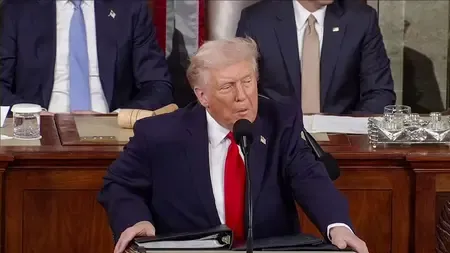
Washington, March 21 (NationPress) On Friday night, the United States granted a limited, temporary authorization for the sale of Iranian oil that has been stuck at sea. This decision, according to the Trump administration, aims to swiftly enhance global oil supply while continuing to exert pressure on Tehran, as reported by the Treasury Department and various media outlets.
Treasury Secretary Scott Bessent explained that this action is intended to stabilize energy markets in light of ongoing conflicts and supply issues.
“The Department of the Treasury is issuing a specific, short-term authorization that allows for the sale of Iranian oil currently stranded at sea,” he stated.
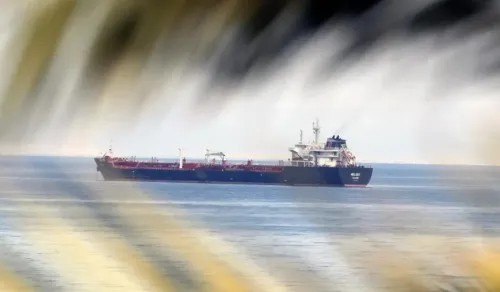
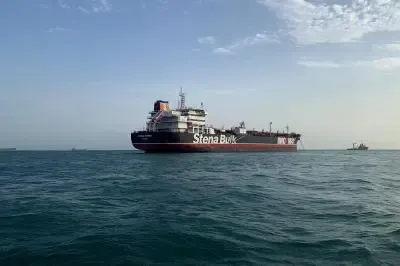
This authorization is applicable strictly to crude oil that was already loaded onto ships as of March 20 and will remain valid until April 19, as outlined in a Treasury general license.
The Treasury’s decision temporarily eases sanctions on oil that is already at sea, permitting its sale to most countries, according to The New York Times.
Bessent indicated that this move could introduce “approximately 140 million barrels of oil into global markets,” thereby alleviating pressures resulting from recent supply disruptions.
“By unlocking this existing supply for the global market, the United States will quickly bring around 140 million barrels of oil to international markets, increasing global energy availability and helping to mitigate the supply pressures caused by Iran,” he remarked.
He further clarified that this measure would not provide financial benefits to Tehran.
“Iran will struggle to receive any revenue from this trade, and the United States will maintain maximum pressure on Iran's capacity to engage with the international financial system,” he noted.
The Treasury stressed that this authorization is restricted. It does not allow for new purchases or additional oil production and excludes transactions involving specific sanctioned regions.
Bessent placed this action within a broader strategy related to ongoing conflicts.
“Iran is a significant player in global terrorism, and through President Trump’s Operation Epic Fury, we are making rapid progress in this critical battle,” he asserted.
He added that the administration will persist in leveraging “America’s economic and military strength to maximize energy flow globally, enhance supply, and ensure market stability.”
Currently, a substantial amount of sanctioned Iranian oil is believed to be stored offshore or being routed through indirect methods. Bessent mentioned that some of it has been “hoarded by China at reduced prices,” and releasing this oil would help diminish Tehran’s influence.
However, analysts have expressed doubts regarding the actual impact of this decision on prices and supply.
Energy analysts speculate that most of the crude oil already at sea may have been sold and accounted for, implying that the sanctions waiver might not significantly boost supply, according to The New York Times.
“I don't foresee a situation in which Iranian crude oil will be imported into the U.S.,” stated Daniel Tannenbaum, a partner at Oliver Wyman and former Treasury Department official. “Primarily, there is uncertainty regarding available crude since most barrels are already allocated, and the question remains which global banks would finance an Iranian oil transaction, whether legal or otherwise.”
There is also ambiguity about whether international banks will support such transactions under the temporary waiver, as per the report.
While the United States does not import Iranian crude, officials noted that nations like Malaysia, Singapore, Indonesia, Japan, and India could benefit from the additional supply, the report stated.
Separately, The Washington Post highlighted that this decision comes at a time of rising oil prices, as the administration aims to alleviate market pressures by allowing previously-loaded Iranian crude to enter the global market.
Bessent mentioned that the administration has already facilitated the introduction of hundreds of millions of barrels into the market in recent weeks.
The additional supply aims to “undermine Iran’s ability to exploit its disruptions in the Strait of Hormuz.”
--IAND
lkj/uk
Point of View
Its actual impact on the market remains uncertain.
NationPress
23 Sept 2026
Frequently Asked Questions
What does the U.S. authorization entail?
The authorization allows for the sale of Iranian oil already loaded on vessels as of March 20, remaining effective until April 19.
How much oil is expected to be released?
Approximately 140 million barrels of Iranian oil could be brought to global markets.
Will this benefit Iran financially?
No, the U.S. Treasury stated that Iran would struggle to access any revenue generated from this sale.
What are the restrictions of this authorization?
The authorization does not permit new purchases or additional oil production and excludes transactions with certain sanctioned jurisdictions.
Which countries might benefit from this oil release?
Countries such as Malaysia, Singapore, Indonesia, Japan, and India could potentially benefit from the additional oil supply.