US Grants 30-Day Waiver for Iranian Oil Sales Amid Energy Crisis

Synopsis
The US has implemented a 30-day waiver allowing the sale of Iranian oil stranded at sea, a strategic move to alleviate global energy supply pressures resulting from the conflict with Iran.
Key Takeaways
30-day sanctions waiver allows sale of stranded Iranian oil.
Approximately 140 million barrels of oil to be released into global markets.
No new production or purchases of Iranian oil allowed.
Move aims to stabilize global energy markets amidst ongoing conflict.
Continued pressure on Iran with sanctions framework intact.
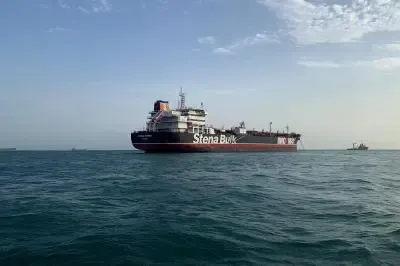
Washington, March 21 (NationPress) The United States has issued a 30-day sanctions waiver that allows for the sale of Iranian oil that has been stranded at sea. This decision is part of efforts to alleviate the increasing pressure on global energy supplies, which have been affected by the ongoing conflict with Iran.
US Treasury Secretary Scott Bessent shared the news on X, explaining that this move aims to rapidly stabilize global markets by making available oil supplies.
“By temporarily releasing this existing supply into the market, the United States will quickly introduce approximately 140 million barrels of oil to global markets,” he stated.
A license from the US Treasury Department specifies that the waiver applies to Iranian crude oil and petroleum products that were already loaded onto ships between March 20 and April 19.
Officials emphasized that the authorization is narrowly defined, specifically excluding any new production or purchases of Iranian oil.
Bessent described this initiative as a targeted intervention intended to mitigate supply disruptions caused by the ongoing conflict.
“This temporary, short-term authorization is strictly confined to oil that is currently in transit and does not permit new purchases or production,” he clarified.
He also noted that this action is expected to boost global supply and help relieve upward pressure on prices.
“We will utilize the Iranian barrels against Tehran to maintain lower prices as we continue Operation Epic Fury,” Bessent added.
This waiver marks the third relaxation of sanctions in recent weeks, following previous measures concerning Russian oil supplies. Bessent indicated that the administration has already implemented actions to inject substantial volumes into the global market.
Simultaneously, he accused Iran of attempting to take advantage of disruptions in vital maritime routes.
“Iran is the root cause of global terrorism, and we are winning this crucial battle at a pace even faster than expected,” Bessent asserted.
Despite this temporary easing of sanctions, Washington has made it clear that the broader sanctions framework against Tehran will remain firmly intact.
“Iran will struggle to access any revenue generated, and the United States will persist in maintaining maximum pressure,” Bessent emphasized, reinforcing that the waiver is aimed at stabilizing markets without compromising the overall sanctions.
He also mentioned China's role in stockpiling Iranian oil reserves, stating, “Sanctioned Iranian oil is being hoarded by China at low prices.”
This decision reflects Washington’s strategy to balance ongoing military and economic pressure on Iran while addressing concerns about global energy stability, especially as tensions threaten shipping routes through the strategically vital Strait of Hormuz.
Bessent reiterated that the administration will continue to employ a combination of economic and military strategies to manage the situation.
“The Trump Administration will persist in deploying America’s economic and military strength to maximize energy flow to the world,” he stated.
Frequently Asked Questions
What is the purpose of the 30-day sanctions waiver?
The waiver allows for the sale of Iranian oil that is currently stranded at sea, aimed at easing pressure on global energy supplies.
Who announced the waiver?
US Treasury Secretary Scott Bessent announced the waiver on X.
How much oil is expected to enter the market due to this waiver?
Approximately 140 million barrels of oil are expected to be introduced into global markets as a result of this waiver.
Does this waiver allow new Iranian oil production?
No, the waiver is strictly limited to oil that is already in transit and does not permit any new production or purchases.
What impact is this waiver expected to have on oil prices?
The waiver is expected to increase global supply and help alleviate upward pressure on oil prices.