White House Declares Immediate Energy Ceasefire in Russia-Ukraine War

Synopsis
The White House announced an immediate energy ceasefire in the Russia-Ukraine war on October 11, 2026, calling for a halt to attacks on energy infrastructure. The move positions the United States as the primary broker of the agreement and carries significant implications for global energy markets and Indian oil imports.
Key Takeaways
The White House declared an 'Energy Ceasefire' between Russia and Ukraine effective October 11, 2026 .
An energy ceasefire targets attacks on power grids, pipelines, fuel depots, and heating facilities — not necessarily all front-line hostilities.
The announcement positions Washington as the lead broker, leveraging its role as Ukraine's largest military and financial backer.
Both sides have repeatedly struck each other's energy infrastructure throughout the war, causing severe civilian humanitarian consequences.
A halt to energy strikes could ease global commodity prices and reduce the war-risk premium on oil and gas, directly affecting India's import costs.
The durability of the ceasefire depends on ground-level compliance in the next critical hours and days.
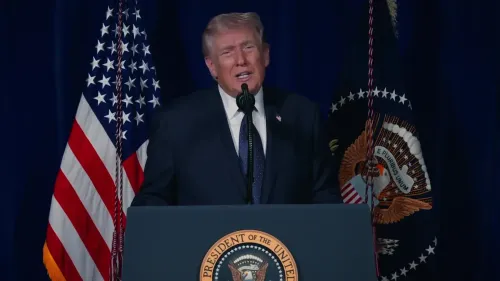
In a single, striking announcement that landed on a Sunday evening, The White House declared an 'Energy Ceasefire' in the war between Russia and Ukraine — effective immediately. The post, brief and blunt, signals a dramatic new chapter in diplomatic efforts to contain a conflict that has reshaped global energy markets and European security for years.
What an 'Energy Ceasefire' actually means
The term 'energy ceasefire' refers to an agreed halt in attacks on energy infrastructure — power grids, pipelines, fuel depots, and heating facilities — while broader hostilities may or may not continue. Throughout the Russia-Ukraine war, both sides have traded devastating strikes on each other's energy networks, leaving millions of Ukrainian civilians without heat and electricity during brutal winters, while Ukraine has targeted Russian oil refineries and fuel supply lines deep inside Russian territory.
A ceasefire limited specifically to energy infrastructure would, in theory, shield civilian populations from the most immediate humanitarian consequences of the conflict, even if front-line fighting persists. It is a narrower instrument than a full ceasefire — but potentially a first foothold toward a broader peace architecture.
The US role in brokering this moment
The announcement coming directly from The White House — rather than from a multilateral body or a neutral mediator — marks the United States as the primary architect of this agreement. Washington's leverage in this conflict has always been substantial: it has been the single largest provider of military and financial support to Ukraine since Russia's full-scale invasion began in February 2022, giving it unique standing to push both parties toward de-escalation.
The 'effective immediately' language is deliberate and loaded. It signals urgency, executive authority, and — critically — that both Kyiv and Moscow have, at minimum, been informed of and are expected to comply with this framework. Whether that compliance holds on the ground is the first and most important question.
What this means for India and global energy markets
India has navigated the Russia-Ukraine conflict with studied neutrality, emerging as one of the largest buyers of discounted Russian crude oil following Western sanctions. Any energy ceasefire that stabilises supply routes and reduces the risk of infrastructure destruction has direct implications for global oil and gas prices — and therefore for India's import bill, inflation, and fuel subsidies.
A de-escalation in energy infrastructure strikes could ease pressure on European gas markets, reduce the war-risk premium baked into commodity prices, and signal to global markets that the conflict's most economically destructive dimension is being contained. For New Delhi, which has consistently called for dialogue and a negotiated settlement, this is a development to watch very closely.
The world will now watch the next 48 to 72 hours on the ground: whether artillery falls silent near power stations, whether drone strikes on refineries cease, and whether both capitals confirm their commitment publicly. A ceasefire announced from Washington is only as durable as the silence that follows it.
Point of View
Making it easier for both Moscow and Kyiv to agree without appearing to concede ground militarily. For the US, this is also a domestic political win, projecting decisive leadership in ending the most visible humanitarian consequence of the war. For India, the announcement is a double signal — a shift in the conflict's trajectory that could stabilise oil prices, and a reminder that Washington, not multilateral forums, remains the dominant force shaping the war's endgame.
NationPress
11 Oct 2026
Frequently Asked Questions
What is an energy ceasefire in the Russia-Ukraine war?
An energy ceasefire is an agreement to stop attacking each other's energy infrastructure — including power plants, pipelines, fuel depots, and heating systems — while broader military operations may continue. The White House announced such a ceasefire effective October 11, 2026.
Who announced the Russia-Ukraine energy ceasefire?
The White House, the official communications account of the Executive Office of the President of the United States, announced the energy ceasefire on October 11, 2026, describing it as effective immediately.
How does the Russia-Ukraine energy ceasefire affect India?
India is one of the largest buyers of Russian crude oil and is sensitive to global energy price swings driven by the conflict. A halt to energy infrastructure strikes could reduce the war-risk premium on oil and gas, potentially easing India's import bill and inflation.
Is this a full ceasefire between Russia and Ukraine?
No. The announcement specifically refers to an 'energy ceasefire,' which targets attacks on energy infrastructure. It does not necessarily mean a halt to all front-line military operations between the two countries.
What happens next after the energy ceasefire announcement?
The critical test is ground-level compliance in the hours and days following the announcement — whether drone and missile strikes on power stations, refineries, and pipelines actually cease on both sides, and whether Moscow and Kyiv publicly confirm their commitment to the framework.