Trump declares Russia-Ukraine energy ceasefire, Zelensky says he wasn't told
Synopsis
Trump declared an immediate Russia-Ukraine ‘energy ceasefire’ on Truth Social — but Zelensky said he heard about it from the press, a senior Ukrainian official doubted Russia was informed, and Moscow stayed silent. It is the second time in a month Trump has claimed such an agreement with no confirmation from either side, raising urgent questions about whether any deal exists at all.
Key Takeaways
Donald Trump announced an ‘energy ceasefire’ between Russia and Ukraine on 11 October 2026 via Truth Social, claiming both sides had agreed.
Volodymyr Zelensky said the announcement was ‘news for me’ but that Ukraine would accept a ceasefire if Russia genuinely agreed.
Neither the Kremlin nor the Ukrainian government issued formal confirmation in the hours after Trump’s post.
Trump provided no details on timing, scope, duration, or monitoring of the reported truce.
This is the second such unverified energy ceasefire claim by Trump in a month; the previous one was not confirmed by either side.
OFAC General License 135 separately authorises Russian-origin diesel transactions until April 2027 , a deal already drawing criticism from Kyiv and US lawmakers.
US President Donald Trump on Sunday, 11 October 2026 announced an immediate “energy ceasefire” between Russia and Ukraine, claiming both sides had agreed to halt attacks on each other’s energy infrastructure. However, Ukrainian President Volodymyr Zelensky said he had not been informed of the arrangement, and Moscow offered no formal confirmation in the hours following the announcement.
What Trump Announced
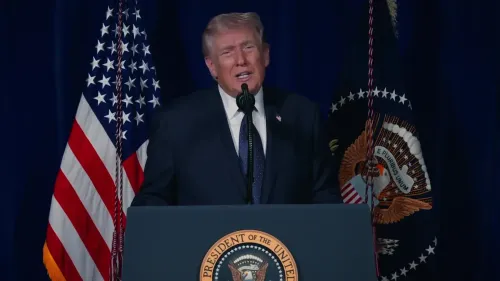
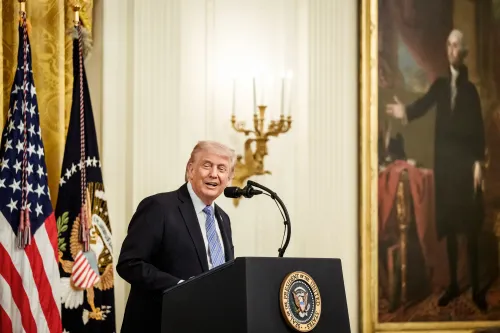
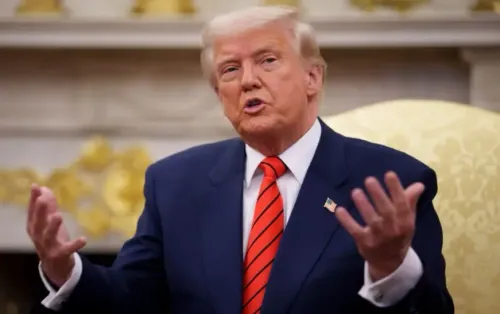
“Effective immediately, there is an ENERGY CEASEFIRE in the War between Russia and Ukraine. Both parties have agreed. Do not break it! Thank you for your attention to this matter,” Trump wrote on Truth Social. The White House repeated the announcement on X approximately 20 minutes later, posting: “Effective Immediately: An Energy Ceasefire in the War between Russia and Ukraine.”
Trump did not specify when the truce was agreed, which facilities it covered, how long it would last, or how compliance would be monitored. Neither the Kremlin nor the Ukrainian government issued a formal statement confirming the arrangement.
Zelensky’s Response
Speaking to Axios shortly after the announcement, Zelensky said the ceasefire declaration came as a surprise but that Kyiv would honour it if Moscow followed suit. “The ceasefire announcement was news for me. But if Russians agree to an energy ceasefire, Ukraine will agree,” he said.
“If President Trump negotiated it with Putin — please tell us when the ceasefire begins — we are ready and we will accept it,” Zelensky added. A senior Ukrainian official told the Kyiv Independent that Kyiv had no information about the ceasefire and doubted that Russia had been informed either.
Notably, earlier on the same day, Zelensky had himself offered a reciprocal halt. “Ukraine will be ready to stop striking Russian oil refineries if Russia stops striking our energy infrastructure,” he wrote on X, stipulating that any de-escalation must be mutual and backed by real guarantees.
Context: Diesel Deal and Prior Ceasefire Claims
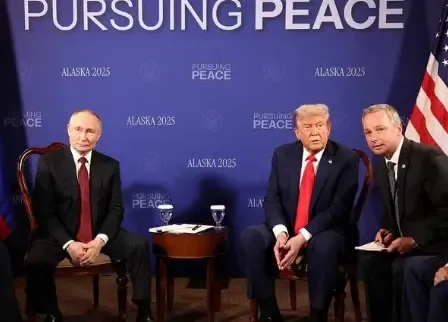
The announcement came just two days after Trump unveiled a separate agreement with Russian President Vladimir Putin to release Russian diesel into American and global markets — a move criticised by Ukraine, European officials, and US lawmakers from both parties. The Treasury Department’s Office of Foreign Assets Control (OFAC) subsequently issued General License 135, authorising certain transactions involving Russian-origin diesel until April 2027.
This is not the first such announcement. Last month, Trump similarly declared on Truth Social that Russia and Ukraine had agreed not to strike each other’s energy targets. According to reports, neither side confirmed a deal at the time, and both continued attacking energy infrastructure in the days that followed.
Trump’s Sharp Words for Zelensky
On Saturday, just one day before the energy ceasefire announcement, Trump blamed Zelensky for continuing drone attacks on Russian refineries and suggested Ukraine should “get a new leader who can make a deal.” The remarks underscored the growing tensions between Washington and Kyiv over the direction of ceasefire diplomacy.
What Happens Next
With no verification mechanism announced, no formal acceptance from Moscow, and Kyiv’s own acknowledgement that it was caught off guard, the durability of the energy ceasefire remains in serious doubt. Analysts and officials are watching whether Russian strikes on Ukrainian power grids — and Ukrainian drone attacks on Russian refineries — actually stop in the coming days as the litmus test of whether any deal exists in practice.
Point of View
No mechanism, no confirmation from either belligerent, and subsequent attacks that continued anyway. The diplomatic damage extends beyond Ukraine: European allies watching the OFAC diesel licence and now this unilateral ceasefire declaration are drawing their own conclusions about US reliability as a security partner. Zelensky’s careful, conditional acceptance rather than outright rejection reveals Kyiv’s impossible bind — it cannot publicly rebuff a US president on whom it depends for arms, even when the facts on the ground don’t match the post on Truth Social. The harder question mainstream coverage has not fully answered is whether Trump is negotiating a real framework in private with Putin that simply bypasses Kyiv, or whether these announcements are domestic political signalling with no corresponding diplomatic substance.
NationPress
11 Oct 2026
Frequently Asked Questions
What did Trump announce about the Russia-Ukraine energy ceasefire?
Trump posted on Truth Social on 11 October 2026 declaring an immediate ‘energy ceasefire’ between Russia and Ukraine, claiming both sides had agreed to stop attacking each other’s energy infrastructure. He provided no details on scope, duration, or monitoring.
Did Zelensky agree to the energy ceasefire?
Zelensky said the announcement was ‘news for me’ but indicated Ukraine would accept a ceasefire if Russia genuinely agreed. He called on Trump to clarify exactly when the truce was to begin and said Kyiv was ready to honour it on a mutual basis.
Did Russia confirm the energy ceasefire?
No. Neither the Kremlin nor any Russian government body issued a formal statement confirming the arrangement in the hours following Trump’s announcement on Truth Social and the subsequent White House post on X.
Has Trump made a similar announcement before?
Yes. Last month, Trump similarly declared on Truth Social that Russia and Ukraine had agreed not to hit each other’s energy targets. Neither side confirmed a deal at the time, and both continued attacking energy infrastructure after that announcement.
What is OFAC General License 135 and why is it controversial?
General License 135 is an authorisation issued by the US Treasury’s Office of Foreign Assets Control, permitting certain transactions involving Russian-origin diesel until April 2027. It was part of a deal Trump announced with Putin two days before the energy ceasefire declaration, and has drawn criticism from Ukraine, European officials, and US lawmakers across party lines.