PM Modi Dances With Cobra Jawans in Bastar on Diwali
Synopsis
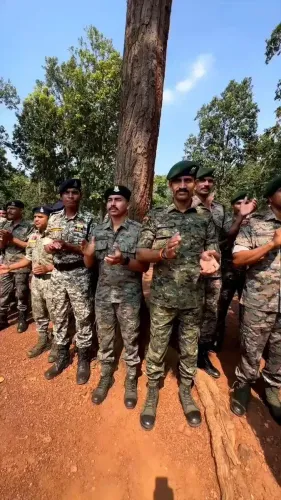
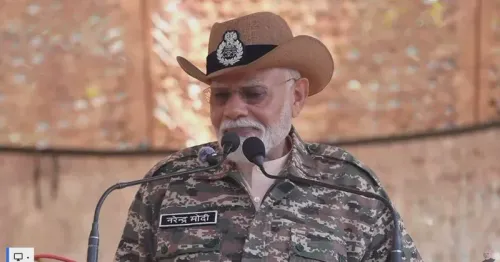
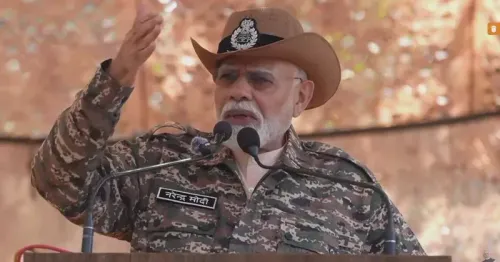
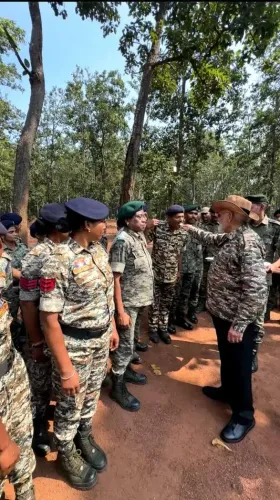
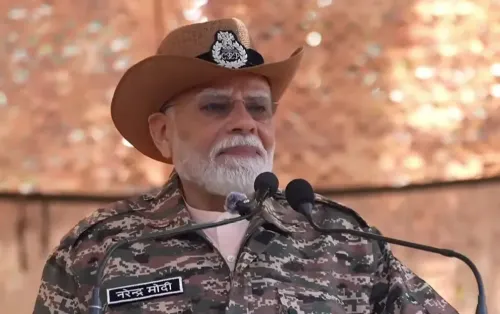
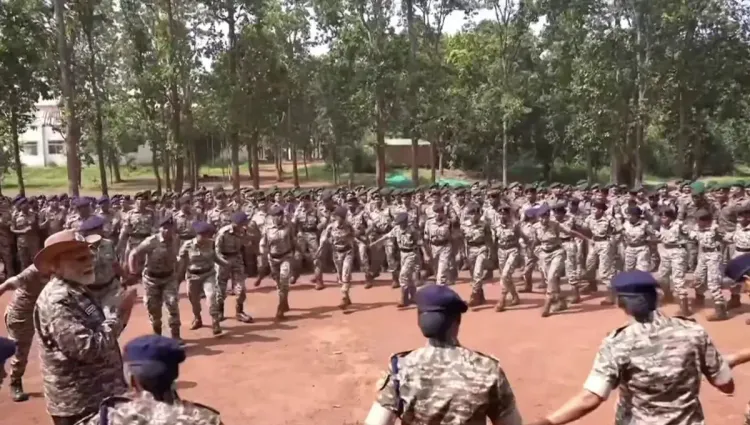
Prime Minister Narendra Modi celebrated Diwali at a CRPF Cobra Operations Base in Bastar on 8 November 2026, joining women jawans in traditional tribal folk dance. The Chhattisgarh CMO marked the occasion as the first Diwali in a 'fear-free Bastar,' signalling a historic shift in one of India's longest-running insurgency theatres.
Key Takeaways
Prime Minister Narendra Modi visited a CRPF Cobra Operations Base in Bastar on Diwali, 8 November 2026 .
Modi participated in traditional Bastar tribal folk dance alongside women security personnel at the forward base.
The Chhattisgarh Chief Minister's Office described the event as the first Diwali celebrated in a 'fear-free Bastar.' Cobra battalions were raised in the mid-2000s specifically for counter-insurgency operations deep in the Red Corridor.
The CMO's post was tagged #NaxalFreeIndia and #ViksitBharat , framing security gains as a foundation for national development.
Bastar has been a focal point of India's dual security-and-development approach to left-wing extremism for over a decade.
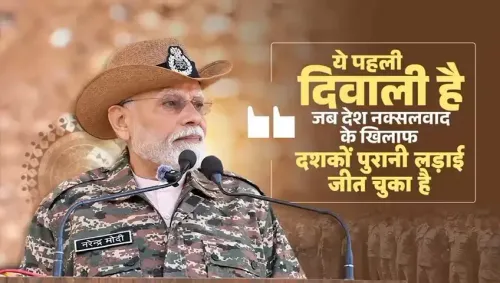
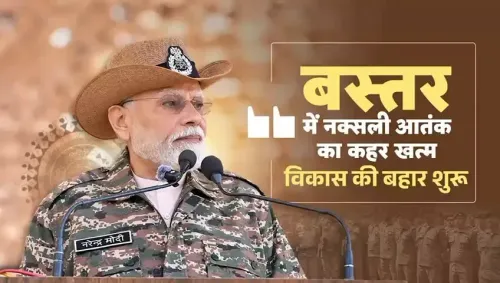
In a moment that said more than any official communiqué could, Prime Minister Narendra Modi stepped onto a makeshift dance floor at a CRPF Cobra Operations Base in Bastar on 8 November 2026 — Diwali night — and joined brave women jawans in traditional tribal dance. The Chief Minister's Office of Chhattisgarh called it a first: Diwali celebrated in a 'fear-free Bastar,' and by all visible accounts, the symbolism landed hard.
The CMO's post described the scene in Hindi: 'ताल से ताल मिलाते प्रधानमंत्री जी' — 'the Prime Minister matching beat for beat' with the jawans — framing his participation as 'an emotionally resonant symbol of courage, dedication, and respect for joy.' The post was tagged #NaxalFreeIndia and #BraveHearts, making the political subtext unmistakable.What Makes a Cobra Base Diwali Different
The Cobra (Commando Battalion for Resolute Action) units of the CRPF were specifically raised in the mid-2000s to take the counter-insurgency fight deep into the forested heartland of the Red Corridor. Bastar — a cluster of districts in southern Chhattisgarh — was for decades among the most dangerous postings in Indian security forces, a theatre where festival gatherings were rare and public celebration was a distant idea. A prime ministerial visit to a forward Cobra base, let alone one featuring folk dance with women troopers, marks a sharp departure from that reality.
Successive central and state governments have pursued a twin-track approach in Bastar: intensified kinetic operations alongside efforts to restore civilian life, local culture, and basic administration in areas once dominated by left-wing extremists. The Chhattisgarh government has been a close partner in coordinating that strategy with central forces.
The Colour of Bastar's Folk Culture on a Landmark Night
What made the visuals striking was the register — not a formal felicitation, not a medal ceremony, but pारंपरिक नृत्य (traditional dance) rooted in Bastar's distinctive tribal folk tradition. The Prime Minister participating in that cultural idiom, alongside the very women in uniform who have been part of counter-insurgency operations, was a deliberate fusion of security achievement and cultural restoration. The CMO described it as being 'coloured in the rich hues of Bastar's folk culture.'
The hashtag #ViksitBharat — 'Developed India' — appended to the post points to the broader governmental framing: security gains as a precondition for development, and development as the proof of security gains.
What the Chhattisgarh Government Is Signalling
The CMO's framing of this as the 'first Diwali in a fear-free Bastar' is a significant political statement, even if official assessments of residual extremist presence are still ongoing. For the state government, the optics of a sitting Prime Minister dancing at a forward base on the festival of lights carries the weight of a progress report — delivered not in a press conference but in a beat shared with soldiers on the ground.
The road from the mid-2000s formation of Cobra battalions to a Diwali dance at their base in Bastar is long, and the state government clearly wants that journey seen and remembered. Whether post-operation development schemes now accelerate in these districts will be the next chapter to watch.
Point of View
Reinforcing the government's claim that the Red Corridor is being transformed, not merely policed. For the Chhattisgarh government, associating the state's security gains with a prime ministerial endorsement on the nation's most visible festival is valuable political currency heading into any future electoral cycle. The 'fear-free Bastar' framing, however, will be tested by independent assessments of residual extremist presence and the pace of post-conflict development investment in tribal districts.
NationPress
8 Nov 2026
Frequently Asked Questions
Why did PM Modi visit Bastar on Diwali 2026?
Prime Minister Modi visited a CRPF Cobra Operations Base in Bastar on Diwali 2026 to celebrate the festival with security forces and mark what the Chhattisgarh government called the first Diwali in a 'fear-free Bastar,' acknowledging significant counter-insurgency gains in the region.
What is a CRPF Cobra battalion?
CRPF Cobra (Commando Battalion for Resolute Action) units are specialised formations raised in the mid-2000s to conduct counter-insurgency operations deep inside the forested Red Corridor districts, including Bastar in Chhattisgarh.
Is Bastar now Naxal-free?
The Chhattisgarh government has described Bastar as 'fear-free' and tagged the event #NaxalFreeIndia, signalling major operational progress. However, official assessments of residual left-wing extremist presence in the region are ongoing and cannot be independently verified.
What is the significance of Bastar's tribal folk dance?
Bastar's tribal communities have a rich and distinct folk-dance tradition that is central to their cultural identity. The Prime Minister's participation in that tradition at a security base symbolised the blending of restored cultural life with the security achievement being celebrated.
What is #ViksitBharat and why was it used?
#ViksitBharat means 'Developed India' and is a government campaign vision linking security, infrastructure, and economic growth. Its use here frames the pacification of Bastar as a step toward broader national development, connecting counter-insurgency success to the government's long-term agenda.