PM Modi Celebrates Diwali in Bastar, Declares Naxalism History
Synopsis
Prime Minister Narendra Modi celebrated Diwali in Bastar on 8 November 2026, declaring Naxalism 'history' and crediting India's security forces. The visit marks a symbolic milestone in decades of dual-track counter-insurgency and development policy in Chhattisgarh's formerly Maoist-dominated heartland.
Key Takeaways
PM Narendra Modi celebrated Diwali in Bastar, Chhattisgarh on 8 November 2026 .
Modi declared 'Naxalism is history' and credited India's security forces for the transformation.
Bastar was for decades a core stronghold of Naxalite-Maoist insurgency in central India.
India has pursued a dual-track policy of security operations and development programmes in Left-Wing Extremism-affected districts since the early 2000s.
Modi signalled the next phase as development-led, stating 'Development is the way ahead.' Rollout of infrastructure and welfare projects in formerly affected Bastar blocks is the key metric to watch going forward.
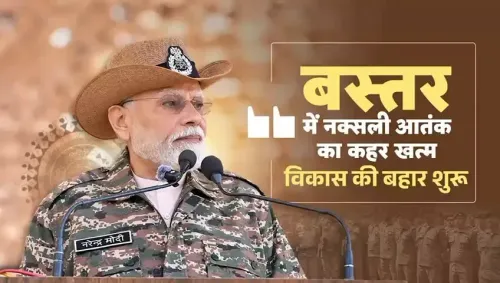
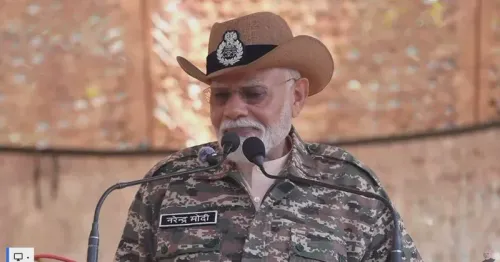
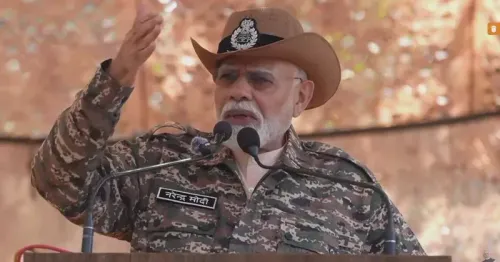
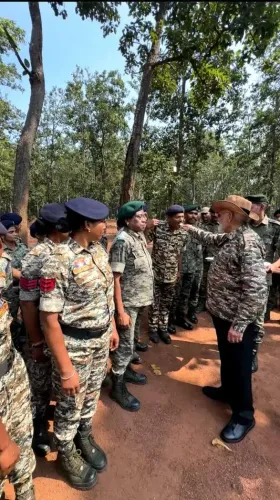
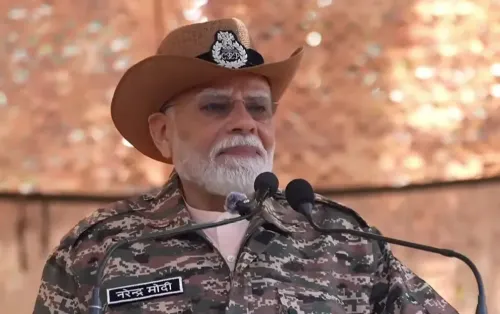
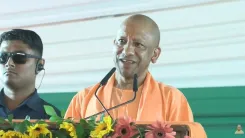
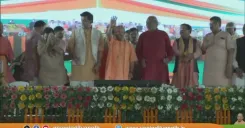
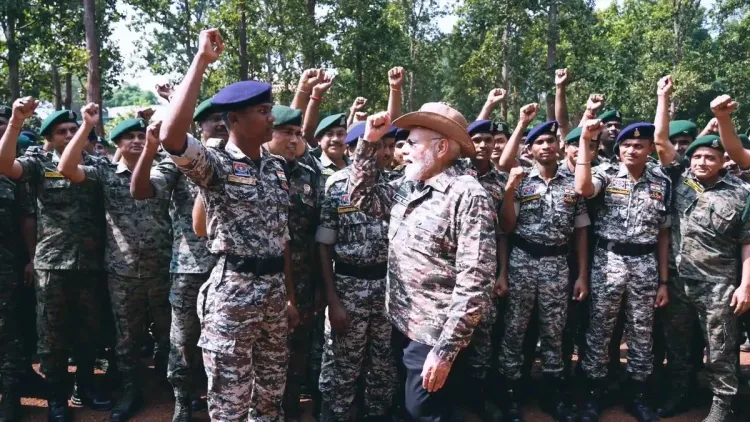
Diwali came to Bastar this year with a declaration that few would have imagined a decade ago. Prime Minister Narendra Modi marked the festival in the heart of Chhattisgarh's once-militant Bastar region on Sunday, 8 November 2026, crediting the country's security forces for a transformation he called nothing short of historic.
A Festival That Once Felt Impossible in Bastar
For decades, Bastar was synonymous with one of India's most intractable security challenges. The dense forests of the region served as a stronghold for Naxalite-Maoist groups who imposed curfews, bombed roads, and made large public gatherings — let alone a festival as open and luminous as Diwali — a genuine risk to life. The fact that a sitting Prime Minister could stand there and call the moment 'special and memorable' is itself the story.
Modi's post was blunt in its verdict: 'Naxalism is history.' He attributed the transformation entirely to India's security forces, whose sustained operations across Chhattisgarh and neighbouring Left-Wing Extremism-affected states have steadily dismantled the insurgency's territorial grip over recent years.
Decades of Dual-Track Policy Bearing Fruit
The road to this Diwali in Bastar runs through more than two decades of coordinated strategy. Since the early 2000s, successive central governments have pursued a twin-track approach: intensified security operations on one side, and targeted infrastructure and welfare programmes on the other. The idea was always to shrink both the physical and popular base of Naxalism — deny the movement territory and deny it grievances to exploit.
Roads, schools, mobile connectivity, and direct-benefit schemes have steadily reached blocks in Bastar that were once effectively no-go zones for government officials. Modi's framing — 'Development is the way ahead' — signals that this phase is not being declared the end of a chapter so much as the opening of a new one, where the emphasis shifts from counter-insurgency to economic integration.
Security Forces at the Centre of the Moment
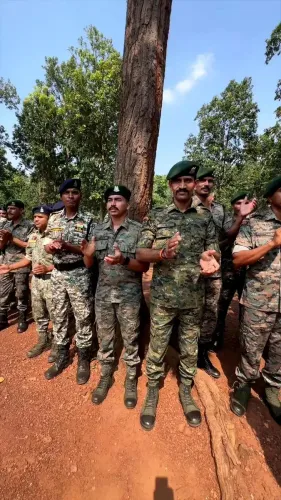
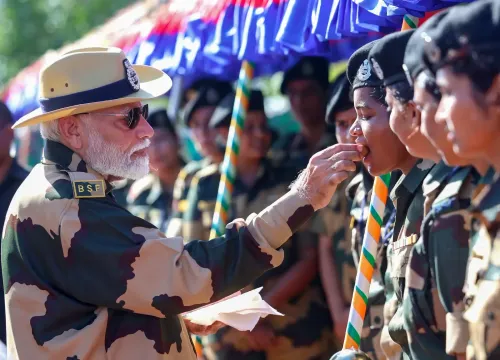
The Prime Minister's post opened with a pointed acknowledgement: the Diwali celebration was possible 'all thanks to our security forces.' That line carries real weight in a region where personnel from the CRPF, state police, and specialised units have operated in difficult terrain for years, taking significant casualties alongside insurgents. Marking their contribution publicly, on a national holiday, is both a morale signal to the forces and a political statement about credit and continuity.
What remains to watch is how quickly the development pipeline now fills in behind the security gains — official data on Naxal-related incidents in Chhattisgarh and the rollout of projects in formerly affected Bastar blocks will tell the fuller story in the months ahead.
A festival of lights in Bastar. That, all by itself, is the headline.
Point of View
Development-second sequencing has produced measurable ground reality. The pivot in his language from 'defeating Naxalism' to 'development is the way ahead' suggests the administration is now framing Bastar as a governance success story rather than an active conflict zone, shifting political accountability from the security establishment to the economic delivery pipeline. For the BJP, the optics are powerful: a Prime Minister celebrating Diwali where few leaders dared travel openly is a durable electoral and narrative asset in Chhattisgarh and beyond. The harder test — whether infrastructure and welfare programmes now catch up with the security gains — will define Bastar's story over the next political cycle.
NationPress
8 Nov 2026
Frequently Asked Questions
Why is PM Modi's Diwali visit to Bastar significant?
Bastar in Chhattisgarh was for decades a stronghold of Naxalite-Maoist insurgency, making large public gatherings and official visits extremely risky. PM Modi's visit and his declaration that 'Naxalism is history' marks a symbolic milestone in India's long counter-insurgency effort in the region.
What is Naxalism and why was Bastar its centre?
Naxalism refers to the Maoist-Communist insurgency that took root in India from the late 1960s. Bastar's dense forests and historically marginalised tribal population made it one of the insurgency's most active theatres, with security forces and militants engaged in sustained conflict for decades.
What has India's policy been against Naxalism in Chhattisgarh?
Since the early 2000s, the central government has followed a dual-track strategy: intensified security operations by forces such as the CRPF alongside targeted infrastructure and welfare programmes in Left-Wing Extremism-affected districts, aiming to deny the movement both territory and popular support.
What did PM Modi say about Bastar on Diwali 2026?
PM Modi posted that celebrating Diwali in Bastar was possible 'all thanks to our security forces,' declared 'Naxalism is history,' and said development is the path forward, calling the day 'special and memorable.'
What comes next for Bastar after the security gains?
The focus is expected to shift to accelerating development — roads, schools, connectivity, and direct-benefit schemes in formerly insurgency-affected blocks. Official data on Naxal-related incidents and project rollouts in Bastar will indicate how quickly the region integrates into the mainstream economy.