Pralhad Joshi Hails PM Modi's Diwali with Bastar Security Forces
Synopsis
Union Minister Pralhad Joshi lauded PM Modi for spending Diwali 2026 with security forces in Bastar, Chhattisgarh, reinforcing the government's 'Naxal-free India' narrative as paramilitary and state police operations continue to shrink Left Wing Extremism across the red corridor.
Key Takeaways
PM Modi celebrated Diwali 2026 with security forces in Bastar, Chhattisgarh , a region the government designates as Naxal-free.
Union Minister Pralhad Joshi described the deployed personnel as India's 'ultimate shields' in his post on X.
Bastar has historically been the core zone of Left Wing Extremism; sustained CRPF and state police operations since the mid-2010s have progressively reduced Naxal influence.
PM Modi has a practice of spending Diwali with forces in difficult postings, using visits as morale signals and political milestones.
The Home Ministry has been removing districts from its LWE-affected list; Bastar's status is central to that accounting.
The tribal communities of Bastar remain the most consequential test of whether the 'Naxal-free' designation reflects durable peace on the ground.
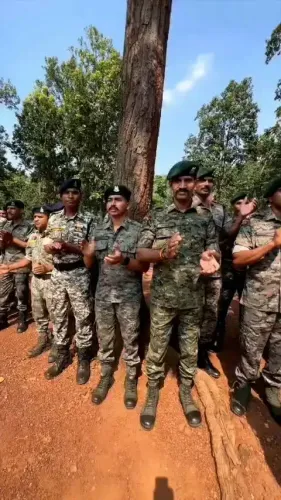
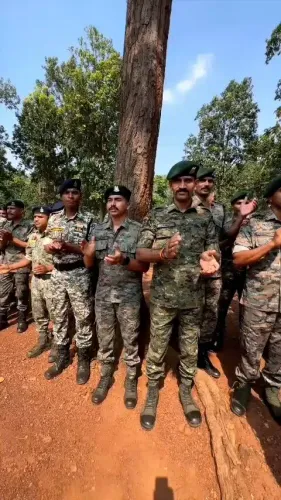
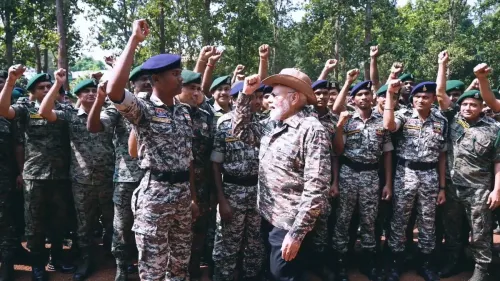
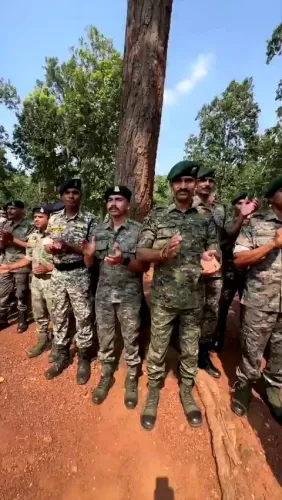
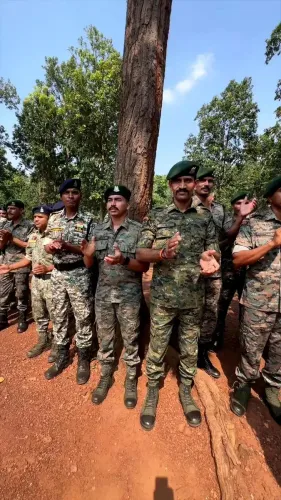
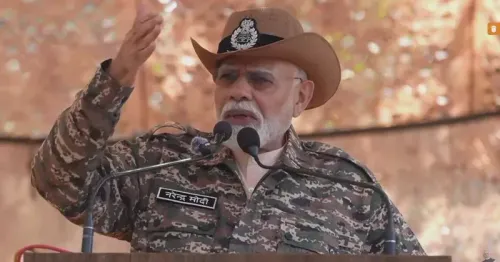
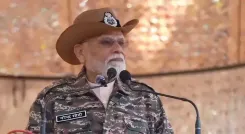
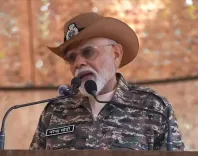
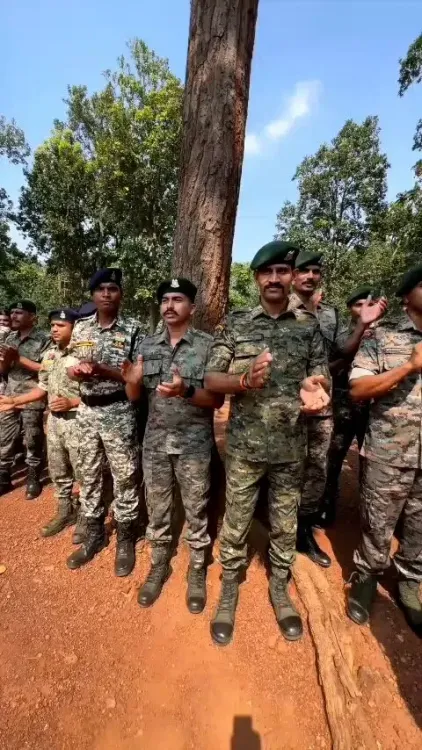
In a symbolic show of solidarity with the men and women guarding India's most contested interior, Prime Minister Narendra Modi celebrated Diwali 2026 with security forces in Bastar, Chhattisgarh — a region the government now brands as free of Naxal violence. Union Consumer Affairs Minister Pralhad Joshi marked the occasion with a post on X, calling the personnel India's 'ultimate shields.'
A Diwali in Bastar's Transformed Landscape
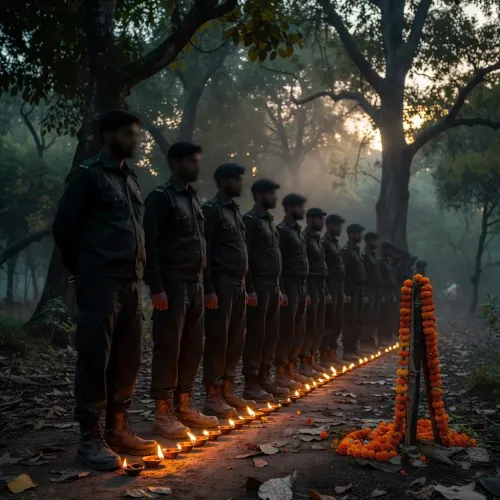
For decades, Bastar was synonymous with Left Wing Extremism — ambushes on security convoys, displacement of tribal communities, and a state-within-a-state carved out by Maoist cadres. A prime ministerial visit to celebrate the festival of lights here is, by design, a statement as much as a ceremony. The imagery is deliberate: lamps lit where landmines once lay.
The government's internal security push has steadily shrunk the geography of active Naxal influence across Chhattisgarh, Jharkhand and Odisha since the mid-2010s, combining paramilitary offensives — led by the CRPF, CoBRA battalions, and state police — with accelerated road, mobile connectivity, and welfare delivery in former red-corridor districts. Bastar sits at the symbolic heart of that campaign.
Modi's Tradition of Diwali with Jawans
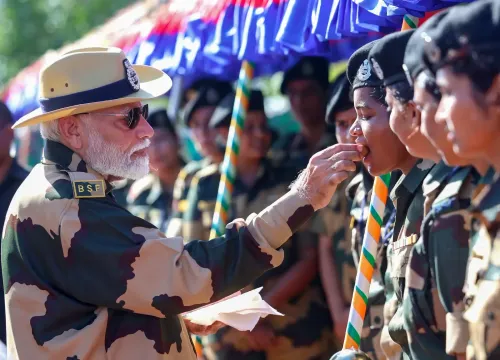
Prime Minister Modi has made a practice of spending Diwali with forces deployed in difficult postings — from the Siachen Glacier to the Line of Actual Control and now to Bastar's jungle outposts. Each visit doubles as a morale-boosting exercise for personnel far from their families and a political signal about where the government places its attention. Choosing Bastar for Diwali 2026 is the clearest statement yet that New Delhi considers the counter-Naxal campaign a chapter nearing its close.
Minister Joshi's post, hashtagged #NaxalFreeIndia and #Bastar, reflects the broader ruling-coalition narrative: that sustained security operations have delivered a qualitative shift on the ground, earning the region its 'Naxal-free' designation. The tribal communities of Bastar — long caught between state forces and Maoist mobilisers — remain the most consequential measure of whether that claim holds.
What Follows the Symbolism
The Home Ministry has been progressively removing districts from its list of Left Wing Extremism-affected areas; Bastar's symbolic elevation now puts pressure on that administrative process to follow through with development and justice guarantees. Security analysts watching the region will track whether the reduced Naxal footprint translates into durable peace — or whether residual cadres regroup in adjacent forests. The next Home Ministry assessment of remaining affected districts will be the real scorecard.
For now, the image of lamps burning in Bastar, with the Prime Minister among the jawans who made it possible, is the frame the government wants the country to carry into the festival season.
Point of View
Declaring Bastar 'Naxal-free' ahead of a prime ministerial appearance is both a morale signal to paramilitary forces and a political closing argument on Left Wing Extremism. The harder test, however, is administrative: whether development, land rights, and justice for Bastar's tribal communities follow the security gains with equal speed. How the Home Ministry updates its LWE district list in the coming months will reveal whether this Diwali moment marks a genuine turning point or a premature headline.
NationPress
8 Nov 2026
Frequently Asked Questions
Why did PM Modi celebrate Diwali in Bastar in 2026?
PM Modi chose Bastar to celebrate Diwali 2026 with security forces deployed there, reinforcing the government's claim that the region is now free of Naxal violence after years of sustained paramilitary and state police operations.
Is Bastar really Naxal-free?
The Indian government has designated Bastar as Naxal-free following a significant reduction in Left Wing Extremism activity, though the precise operational status of residual cadres in adjacent areas remains a subject of ongoing security assessments.
What security forces are deployed in Bastar?
Central paramilitary forces including the CRPF and its specialised CoBRA battalions, alongside Chhattisgarh state police, have been the primary forces conducting anti-Naxal operations in Bastar over the past decade.
What did Pralhad Joshi say about PM Modi's Bastar visit?
Union Consumer Affairs Minister Pralhad Joshi posted on X calling the security forces in Bastar India's 'ultimate shields' and praised PM Modi for celebrating Diwali with them in the newly designated Naxal-free zone.
What is the government's broader plan for Naxal-affected districts?
The Home Ministry has been progressively removing districts from its official Left Wing Extremism-affected list as combined security and development operations reduce Maoist influence in Chhattisgarh, Jharkhand, and Odisha.