PM Modi visits Bastar jawans, celebrates Naxal-free India
Synopsis
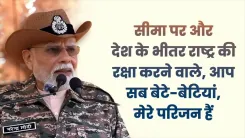
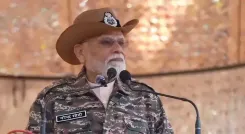
Prime Minister Narendra Modi visited police and CAPF jawans in Bastar, Chhattisgarh on Diwali, distributing sweets in celebration of a claimed Naxal-free India. Union Minister CR Paatil shared the moment on X, calling it a historic milestone in India's internal security journey.
Key Takeaways
PM Narendra Modi visited Bastar, Chhattisgarh on November 8, 2026 to meet police and CAPF personnel on Diwali .
Modi distributed sweets ( mithai ) among jawans, framing the gesture as a celebration of 'Naxalmukta Bharat' — a Naxal-free India.
Union Jal Shakti Minister C.
Paatil publicised the visit on X, calling it a historic moment.
Bastar has been a core Left-Wing Extremism theatre for over two decades, with CAPF units including the CRPF maintaining long-term forward deployments.
The Ministry of Home Affairs has pursued a dual security-and-development strategy in the LWE belt since the 2015 National Policy and Action Plan against Left Wing Extremism.
The number of officially LWE-affected districts and progress under the Aspirational Districts programme in Bastar remain key metrics to watch.
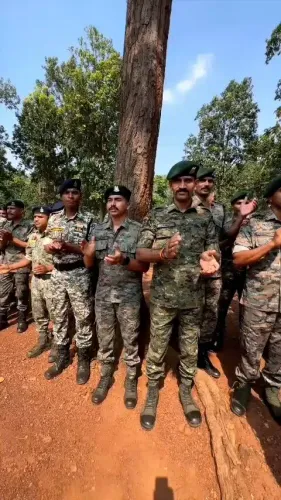
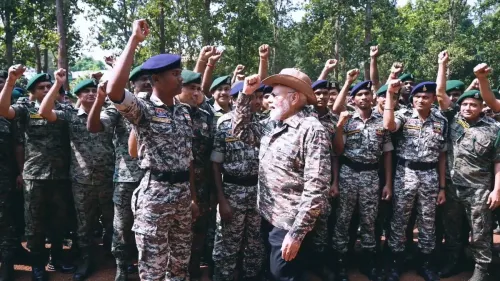
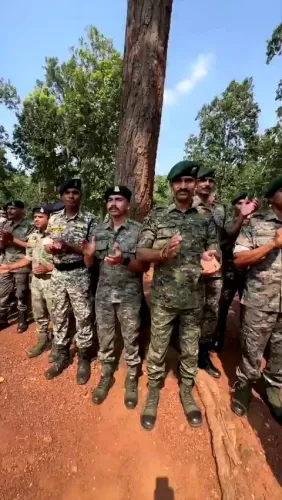
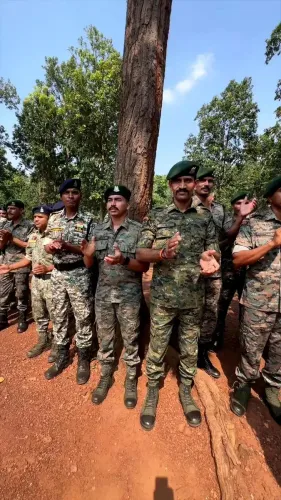
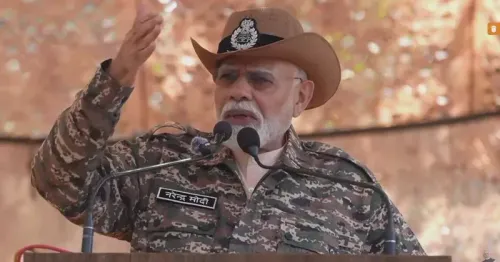
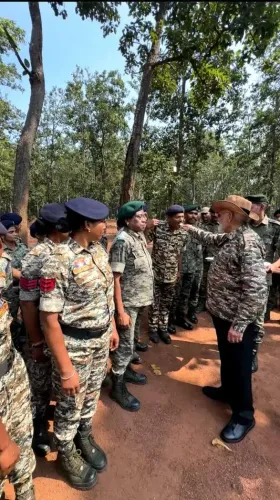
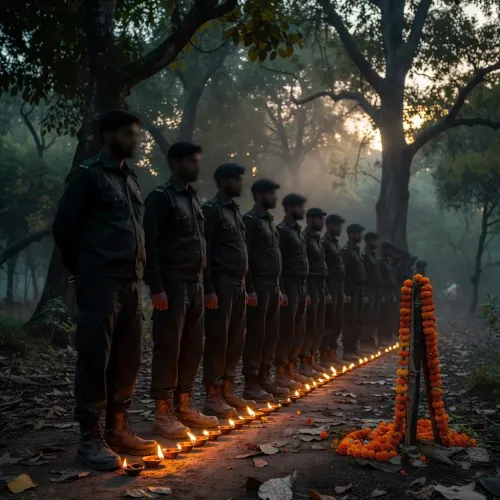
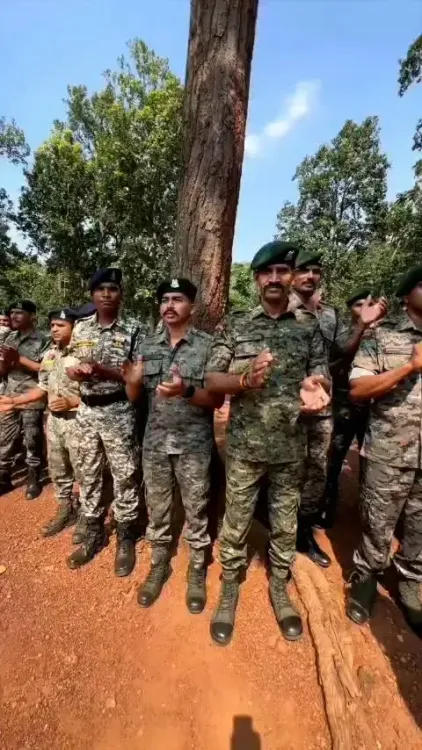
Sweets were distributed in the heartland of India's longest-running insurgency. Prime Minister Narendra Modi travelled to Bastar, Chhattisgarh on Sunday, November 8, 2026, walking among police and Central Armed Police Forces (CAPF) personnel deployed in the region to personally feed them mithai (sweets) and extend Diwali greetings — a gesture the government framed as a celebration of a Naxal-free India.
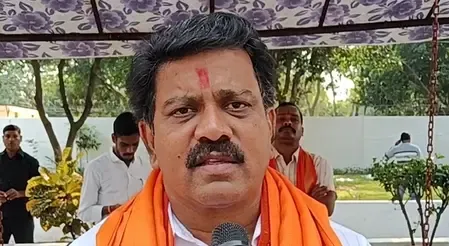
Union Jal Shakti Minister C. R. Paatil shared the moment on X, writing: 'Munh mitha kijiye... Naxalmukta Bharat ki khushi mein!' — 'Sweeten your mouth... in the joy of a Naxal-free India!' — capturing the significance the ruling establishment is attaching to the moment.
Why Bastar carries the weight it does
Bastar has been the geographic and symbolic centre of Left-Wing Extremism in India for more than two decades. Heavily forested, poorly connected, and long contested between the state and Maoist cadres, the district became emblematic of what security planners called India's gravest internal security challenge. CAPF battalions — primarily the CRPF — have maintained forward deployments here through some of the bloodiest ambushes in Indian counter-insurgency history.
The Ministry of Home Affairs formalised its dual-track response in 2015 with the National Policy and Action Plan against Left Wing Extremism, blending intensified operations with accelerated development spending under the Aspirational Districts programme. That framework extended across the LWE belt spanning Chhattisgarh, Jharkhand and Odisha.
A Prime Minister among jawans — the symbolism of the visit
High-level visits to forward security positions are a deliberate tool of Indian governance — signalling to both the forces and the public that those posted in difficult terrain are not forgotten. For personnel who spend months in jungle deployment far from family during festive seasons, a Prime Ministerial visit carrying sweets on Diwali carries a weight that no press release can replicate.
The framing of the visit as a celebration of 'Naxalmukta Bharat' — a Naxal-free India — represents a significant political claim. Whether that designation is complete or aspirational, the optics of a sitting Prime Minister sharing sweets with jawans in Bastar tells its own story about how the government reads the security trajectory on the ground.
What comes next for Bastar and the LWE belt
The metric to watch is the official count of districts still classified as Left-Wing Extremism-affected — a number that has been steadily reduced over successive reviews. Development projects under the Aspirational Districts programme in Bastar, road connectivity to previously inaccessible villages, and mobile and banking infrastructure are the civilian-side benchmarks that determine whether security gains hold. The jawan eating sweets in a forward camp today will be measured, over the coming years, by whether civilian governance follows them in.
Point of View
Declaring success in the LWE theatre ahead of any state or national election carries obvious political dividends, but it also sets a benchmark the government will now be held against. The harder question is whether the security gains translate into durable civilian governance — road connectivity, banking access, and local administration — in a region where the absence of the state was itself the insurgency's original fuel.
NationPress
8 Nov 2026
Frequently Asked Questions
Why did PM Modi visit Bastar on Diwali 2026?
PM Modi visited police and CAPF jawans deployed in Bastar, Chhattisgarh on Diwali to distribute sweets and boost morale, framing the visit as a celebration of a Naxal-free India.
What is 'Naxalmukta Bharat' and has India achieved it?
'Naxalmukta Bharat' means a Naxal-free India. The government has been progressively reducing the number of officially LWE-affected districts; whether full elimination has been achieved is a claim the government has made in this context, though independent verification remains ongoing.
What is CAPF and what is its role in Bastar?
CAPF stands for Central Armed Police Forces, which includes units like the CRPF. These forces have been deployed in Bastar and surrounding areas for counter-insurgency operations against Left-Wing Extremists for over two decades.
What is India's policy against Left-Wing Extremism?
The Ministry of Home Affairs launched the National Policy and Action Plan against Left Wing Extremism in 2015, combining intensified security operations with development investment — roads, banking, mobile connectivity — in affected districts including Bastar.
Who is CR Paatil and why did he post about the Bastar visit?
C. R. Paatil is the Union Minister of Jal Shakti and a senior BJP leader and former Gujarat BJP state president. He shared PM Modi's Bastar visit on X as a moment of national celebration, connecting the Prime Minister's gesture to the broader claim of a Naxal-free India.