Karachi police encounters surge 71% in 2026, rights groups cry extrajudicial killings
Synopsis
Karachi's police encounter death toll has jumped 80% year-on-year, with 197 suspects killed in just 10 months of 2026. Pakistan's top human rights body calls it an institutionalised extrajudicial killing practice — now spreading from Punjab to Karachi — and is demanding an urgent judicial inquiry. The data, combined with documented intimidation of victims' families, points to a deepening accountability crisis in Pakistan's law enforcement.
Key Takeaways
1,437 police encounters were recorded in Karachi between 1 January and 25 October 2026 — a 71 per cent rise from 840 in the same period in 2025 .
197 suspects were killed and 1,426 injured, marking an 80 per cent increase in deaths year-on-year.
HRCP Chairperson Asad Iqbal Butt termed the deaths extrajudicial killings and called for a high-level judicial inquiry .
The HRCP documented 1,000 suspect deaths in alleged encounters in Punjab during an eight-month fact-finding exercise.
Victims' families reported police pressure to bury the deceased immediately and alleged threats against other relatives.
Senior Karachi police officials have maintained that all encounters were genuine and that the force also suffered casualties.
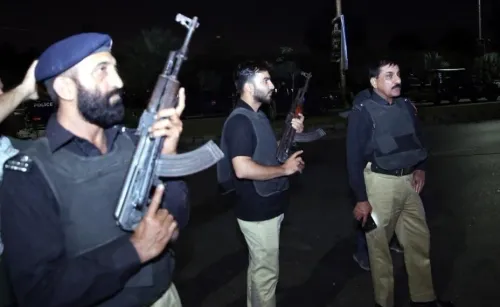
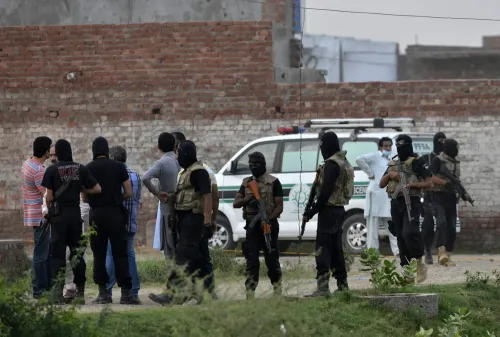
A sharp rise in alleged police encounters in Karachi, Pakistan, over the first 10 months of 2026 has drawn stern condemnation from human rights organisations, who have characterised the incidents as extrajudicial killings. According to data released by Karachi police, 1,437 encounters took place between 1 January and 25 October 2026 — a 71 per cent jump compared to the 840 recorded during the same period in 2025.
Scale of the Surge
Police data shows that the encounters claimed the lives of 197 suspects and left 1,426 others injured during the period. The death toll marks an 80 per cent rise from the 109 suspects killed in the corresponding 10-month window of 2025. The number of suspects wounded and arrested also climbed, registering a 67.9 per cent increase from the 849 recorded in the same period last year. Official data, however, does not separately disclose the number of security personnel injured across those 1,437 encounters.
Rights Groups Call It Extrajudicial
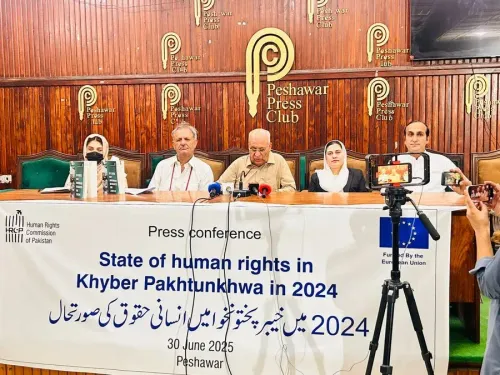
Human Rights Commission of Pakistan (HRCP) Chairperson Asad Iqbal Butt told local media that the organisation views suspect deaths in police encounters as "extra-judicial killings." He described the phenomenon as an "ailment" that had already taken hold in the Punjab Police and appeared to have now spread to Karachi. The HRCP's own fact-finding exercise in Punjab over an eight-month period documented the killing of 1,000 suspects in alleged encounters in that province alone.
In February 2026, the HRCP formally condemned Pakistan's Crime Control Department (CCD) in Punjab for what it described as a deliberate policy of staged encounters. Citing media reports, the commission documented at least 670 CCD-led encounters over eight months of 2025, resulting in the deaths of 924 suspects, while only two police officers were killed during the same stretch.
HRCP Flags Institutionalised Pattern
The HRCP stated that the "extreme casualty imbalance — averaging more than two fatal encounters daily — combined with the uniformity of operational patterns across districts, indicates an institutionalised practice rather than isolated incidents of misconduct." The commission's fact-finding mission called for an urgent high-level judicial inquiry into the deaths.
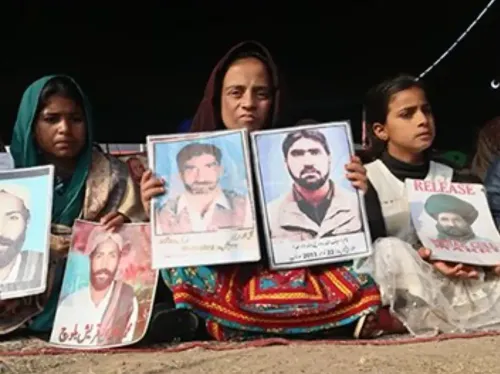
The organisation also documented a pervasive climate of fear among the families of those killed. One family, according to the HRCP, reported being pressured by police officials to bury the deceased immediately and was allegedly warned that other relatives could be targeted if they pursued the matter further. The HRCP described such intimidation as criminal conduct and a fundamental obstruction of justice.
Police Defend the Encounters
Senior Karachi police officials, however, maintained that all encounters were genuine and stressed that the police department itself had suffered casualties. They did not provide a specific breakdown of police injuries, according to reports from Pakistan-based daily Dawn, which first published the encounter data. The divergence between police assertions and human rights findings reflects a contested accountability landscape that shows no signs of resolution in the near term.
Broader Context
This comes amid longstanding concerns about police impunity in Pakistan's urban centres. Critics argue that encounter killings have historically been used as a tool to manage street crime statistics rather than address root causes such as poverty, unemployment, and weak judicial capacity. The latest Karachi data, analysts note, is consistent with a pattern of intensified enforcement that tends to spike during periods of rising street crime — but rarely faces independent scrutiny. All eyes are now on whether Pakistan's higher judiciary or federal government will respond to the HRCP's call for a judicial probe.
Point of View
Combined with a casualty ratio that the HRCP describes as averaging more than two fatal shootings a day, is statistically inconsistent with spontaneous self-defence. What the numbers suggest, and what rights groups have explicitly argued, is a systemic policy — one that has apparently migrated wholesale from Punjab's Crime Control Department to Karachi's streets. The more troubling signal is institutional: official data tracks suspect deaths and injuries in granular detail, yet records no corresponding figure for police casualties across the same 1,437 encounters. That asymmetry in record-keeping is itself telling. Without an independent judicial inquiry with teeth — not a departmental committee — Pakistan risks normalising extrajudicial enforcement as routine crime control.
NationPress
8 Nov 2026
Frequently Asked Questions
How many suspects were killed in Karachi police encounters in 2026?
According to Karachi police data, 197 suspects were killed and 1,426 others were injured in 1,437 encounters between 1 January and 25 October 2026. This represents an 80 per cent rise in deaths compared to the same period in 2025.
Why are human rights groups calling the Karachi encounters extrajudicial killings?
The Human Rights Commission of Pakistan (HRCP) says the extreme casualty imbalance — consistently far more suspects killed than police officers — combined with uniform operational patterns across districts, points to an institutionalised practice rather than isolated misconduct. The HRCP has called for an urgent high-level judicial inquiry.
Is this trend confined to Karachi alone?
No. HRCP Chairperson Asad Iqbal Butt said the practice began in Punjab, where the commission documented 1,000 suspect deaths in encounters during an eight-month fact-finding exercise. He described it as an 'ailment' that has now spread to Karachi.
What has the HRCP recommended to address the situation?
The HRCP has called for an urgent high-level judicial inquiry into the deaths. It has also flagged the intimidation of victims' families — including alleged police warnings to bury the deceased quickly and threats against other relatives — as criminal conduct and an obstruction of justice.
What is the police's response to the allegations?
Senior Karachi police officials have maintained that all encounters were genuine and have pointed out that the police department also suffered casualties. However, official data does not disclose the number of security personnel injured across the 1,437 encounters recorded in the period.