Pakistan's Punjab CCD: 924 suspects killed in 670 encounters, HRCP flags extrajudicial killings
Synopsis
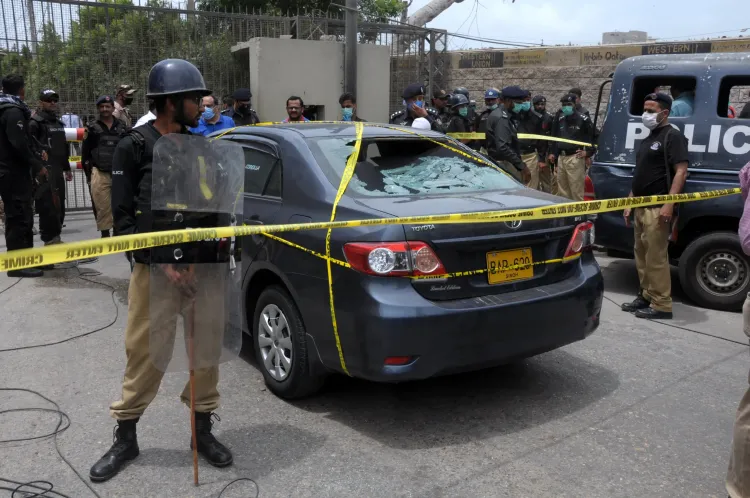
A t least 924 suspects died in 670 CCD-led encounters across Punjab over just eight months in 2025, according to a Dawn editorial — figures the HRCP has linked to a deliberate policy of staged killings. The latest nine deaths follow the same template, reigniting debate over whether Pakistan's police have replaced the justice system with lethal force.
What Happened in the Latest Operations
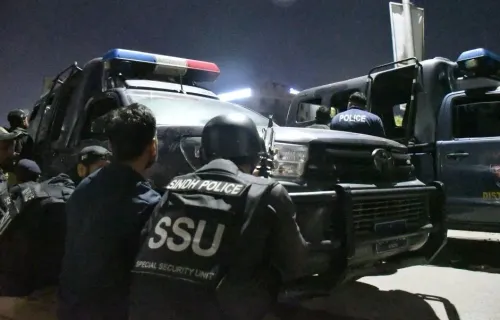
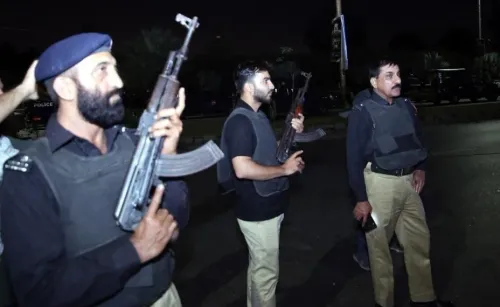
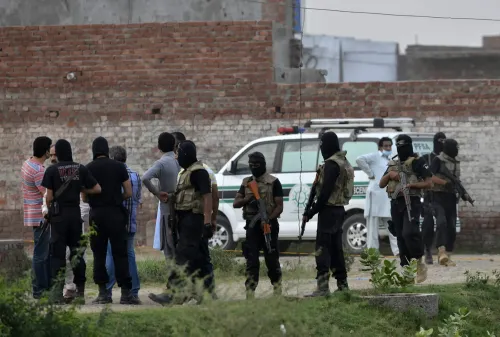
Six suspects died in separate operations in Lahore alone, with police citing armed resistance in each case. In Sahiwal, two men who had already escaped custody were intercepted and killed within hours of their escape. In Toba Tek Singh, an alleged drug dealer was shot dead at a checkpoint after reportedly opening fire on officers.
What the HRCP and Dawn Said
The HRCP's earlier report had flagged the CCD's conduct as a systemic issue, not isolated incidents. The Dawn editorial reinforced that concern, stating: "The pattern points to a culture of impunity in which lethal force has become the default response to crime. Such extrajudicial violence does not make citizens safer. It erodes the rule of law and public trust in institutions meant to protect them. When suspects are killed before they can face trial, justice is not served but circumvented."
The editorial further noted that political authorities had at times praised these encounters as an effective deterrent — a signal, it argued, of "not just tolerance of extrajudicial methods, but also a tacit endorsement of them as an official crime control policy."
Eroding Public Trust
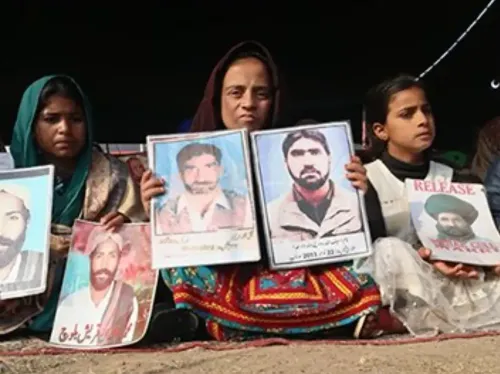
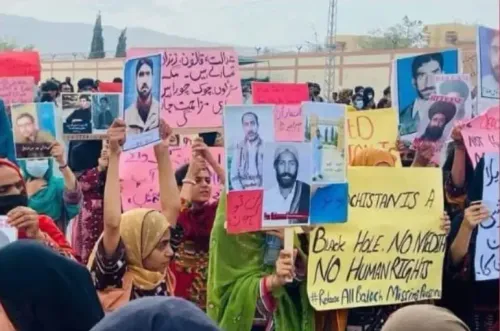
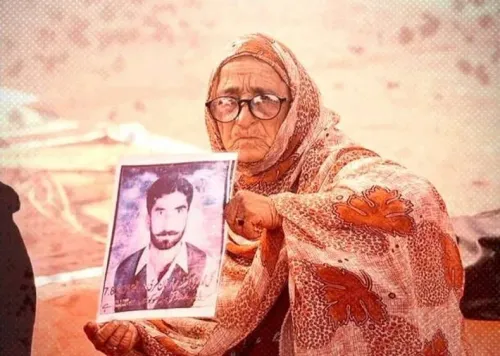
The human cost extends beyond statistics. A lady health worker from Muzaffargarh in Punjab last month petitioned the country's Chief Justice to order an independent probe into the killing of her two sons in an alleged police encounter. Her account of police torture and subsequent extrajudicial killing, according to Dawn, "reflects a continuing pattern in which the once sporadic instances of police staging encounters to eliminate suspected criminals appear to have evolved into a systemic practice."
What It Signals About Pakistan's Justice System
Critics argue the surge in encounters is itself evidence of institutional failure. When police consistently eliminate rather than prosecute suspects, it suggests that investigation, evidence-gathering, and trial processes are either too weak or too inconvenient to pursue. Pakistan's constitution guarantees every citizen the right to a fair trial — but, as the Dawn editorial warned, "when the state starts to decide who should get that right and who should not, it crosses a dangerous threshold."
With the HRCP's findings unaddressed and political endorsement of encounter killings continuing, accountability for the CCD remains uncertain — and the pattern, observers warn, shows no sign of abating.
Key Takeaways
Pakistan's Crime Control Department (CCD) killed nine suspects in operations across Lahore , Sahiwal , and Toba Tek Singh , following a near-identical narrative in each case.
At least 924 suspects were killed in 670 CCD-led encounters over eight months in 2025 , according to a Dawn editorial.
The Human Rights Commission of Pakistan (HRCP) accused the CCD of a "deliberate policy of staged police encounters leading to extrajudicial killings." A health worker from Muzaffargarh petitioned the Chief Justice over the killing of her two sons in an alleged encounter, citing police torture.
Political authorities in Punjab have at times praised encounter killings as a crime deterrent, raising concerns of tacit official endorsement.
Dawn editorial warned the practice "brutalises society, undermines people's trust and blurs the line between law enforcement and lawlessness."
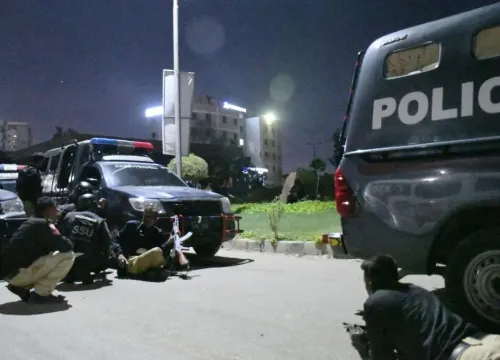
Pakistan's Punjab province is facing mounting scrutiny over a pattern of alleged extrajudicial killings, after the Crime Control Department (CCD) shot dead nine suspects across Lahore, Sahiwal, and Toba Tek Singh in a series of operations that followed a near-identical script — armed suspects reportedly open fire, police return it, suspects are found dead, and accomplices vanish. The recurring narrative, according to an editorial in Pakistan's leading daily Dawn, raises serious questions about the effectiveness of the criminal justice system in Pakistan.
Scale of the Problem
The recent deaths come months after the Human Rights Commission of Pakistan (HRCP) accused the CCD of following a
Point of View
The justice system has not failed; it has been replaced. What makes Pakistan's Punjab case particularly alarming is the normalization: the HRCP flagged it, Dawn editorialised it, a grieving mother petitioned the Chief Justice — and the encounters continued. The question is no longer whether extrajudicial killings are happening, but whether any institution in Pakistan retains both the will and the power to stop them.
NationPress
23 Sept 2026
Frequently Asked Questions
What is the Crime Control Department (CCD) in Pakistan's Punjab?
The Crime Control Department (CCD) is a specialised police unit in Pakistan's Punjab province tasked with combating serious crime. It has come under scrutiny after the HRCP accused it of conducting staged encounters that result in extrajudicial killings rather than lawful arrests and prosecutions.
How many suspects have been killed in CCD encounters in 2025?
According to a Dawn editorial citing media and rights group data, at least 924 suspects were killed across 670 CCD-led encounters over eight months in 2025 in Punjab alone. The figures have not been independently verified by the government.
What did the HRCP say about Pakistan's police encounters?
The Human Rights Commission of Pakistan (HRCP) accused the CCD of following a deliberate policy of staged police encounters leading to extrajudicial killings. The commission's findings preceded the latest wave of deaths and remain unaddressed by provincial authorities.
Why is this considered a failure of Pakistan's criminal justice system?
Critics, including Dawn's editorial board, argue that when police consistently kill rather than prosecute suspects, it exposes the weakness of investigation, evidence-gathering, and trial processes. Each citizen is constitutionally entitled to a fair trial, and systematic encounter killings effectively bypass that right.
Has any action been taken against the CCD over these killings?
As of the latest reports, no significant accountability measures have been announced. A health worker from Muzaffargarh petitioned the Chief Justice for an independent probe into her sons' alleged encounter deaths, but political authorities in Punjab have at times praised such operations as an effective crime deterrent.