HRCP flags 1,100 killings in 808 Punjab police encounters since April 2025
Synopsis
Since April 2025, Pakistan's Crime Control Department has logged 808 police 'encounters' killing at least 1,100 suspects in Punjab alone — including a nine-year-old child. The HRCP is demanding a judicial inquiry, while Balochistan's BVJ documents a parallel pattern: enforced disappearances that end in staged encounter deaths. Two provinces, one systemic crisis.
Key Takeaways
The HRCP has documented 808 police encounters resulting in at least 1,100 deaths in Punjab since the CCD's formation in April 2025 .
A nine-year-old child was killed in one such encounter; the CCD acknowledged a 'violation' of departmental rules but the HRCP has demanded an independent judicial inquiry.
Abdul Razzaq Baloch was killed by the CTD in Sibi district on 12 June 2026 after reportedly being subjected to enforced disappearance earlier this year.
Rights group BVJ says the Balochistan killings follow a pattern of enforced disappearances followed by staged armed encounters.
The HRCP had previously flagged deteriorating security across Balochistan and Khyber Pakhtunkhwa , including the alleged abduction of Gwadar University officials.
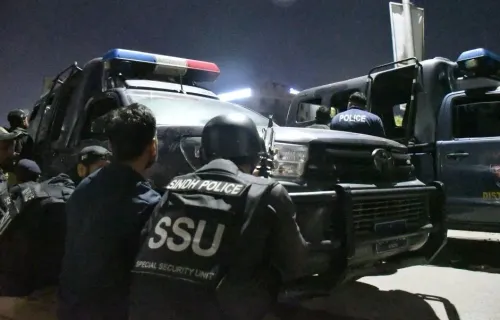
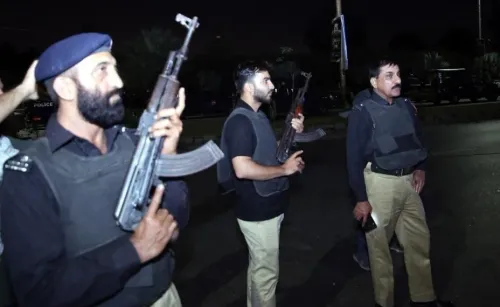
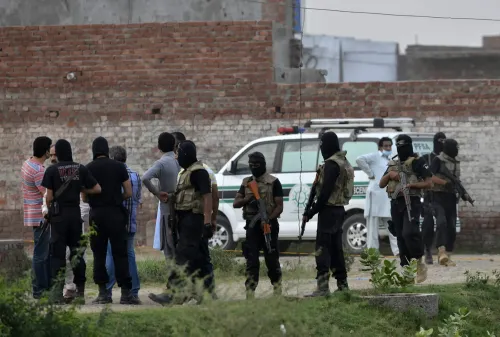
The Human Rights Commission of Pakistan (HRCP) on Thursday, 18 June 2026, expressed grave concern over a sharp and persistent rise in extrajudicial killings in Pakistan's Punjab province, documenting 808 police 'encounters' that have reportedly resulted in the deaths of at least 1,100 suspects since the formation of the Crime Control Department (CCD) Punjab in April 2025. The rights body warned that lethal force had become a routine — and normalised — instrument of crime control, operating outside any credible framework of due process.
Scale of the Killings
The HRCP stated it had previously cautioned the Punjab government that the CCD appeared to be systematically deploying lethal force as a tactic to 'control' crime rather than to enforce the law. In the roughly 14 months since the department's creation, the recorded toll stands at 808 encounters and a minimum of 1,100 deaths — a rate that critics argue amounts to a de facto policy of eliminating suspects rather than prosecuting them.
Death of a Nine-Year-Old Child
The commission specifically condemned the killing of a nine-year-old child, calling it emblematic of a broader breakdown in restraint. In a formal statement, the HRCP said: 'The fact that this normalisation of lethal force outside due process has directly resulted in the death of a nine-year-old child should be a call to conscience for the Punjab government. While the CCD has acknowledged that this incident was a violation of departmental rules, the incident cannot be treated as an isolated operational failure, nor can internal accountability substitute for independent oversight.' The body has called for an immediate independent judicial inquiry into the child's death.
Balochistan: A Parallel Pattern
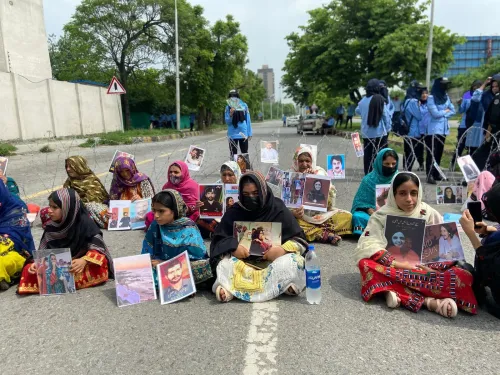
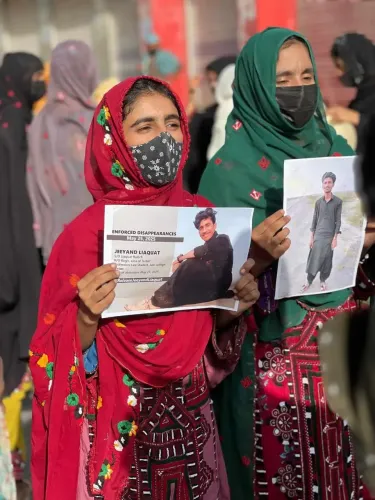
The concerns raised over Punjab come alongside fresh condemnation from the human rights organisation Baloch Voice for Justice (BVJ), which strongly criticised the extrajudicial killing of Abdul Razzaq Baloch by Pakistan's Counter Terrorism Department (CTD) on 12 June 2026 in Sibi district, Balochistan. According to the BVJ, Razzaq had been forcibly disappeared after being taken into custody earlier this year, only to later be identified among those killed in what authorities described as an armed encounter.
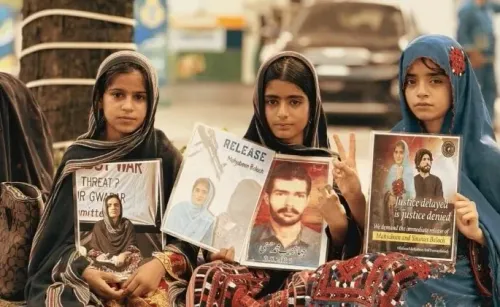
The BVJ stated: 'His case reflects a disturbing pattern in which people vanish for months and later appear among those killed in operations presented as armed encounters, without transparency, accountability, or access to legal protections.' Rights groups argue this pattern — enforced disappearance followed by a staged encounter — has become a recurring feature of security operations in Balochistan.
Wider Security Deterioration
Last month, the HRCP had already raised alarm over the sharp deterioration in security conditions across Balochistan and Khyber Pakhtunkhwa, where residents are reportedly caught between enforced disappearances, targeted killings, and militant attacks. The commission also flagged the alleged abduction of the vice-chancellor, pro-vice chancellor, and two other employees of Gwadar University while travelling from Gwadar to Quetta in Mastung, raising questions about the state's capacity to secure major highways and protect civilians.
Taken together, the documented incidents across Punjab, Balochistan, and Khyber Pakhtunkhwa point to a systemic challenge to rule-of-law standards in Pakistan — one that rights bodies argue demands independent judicial oversight rather than internal departmental review.
Point of View
100 deaths in roughly 14 months is not a crime-control strategy — it is a pattern. The CCD's own admission that the child's killing was a 'rule violation' inadvertently confirms that an institutional framework for lethal force exists and is being used at scale. Internal accountability, as the HRCP rightly notes, cannot substitute for judicial oversight. What makes this more alarming is the geographic spread: Punjab's encounter killings and Balochistan's disappear-then-encounter cycle are not isolated provincial failures — they suggest a convergence of security doctrine that treats suspects as liabilities to be eliminated rather than citizens to be prosecuted. Pakistan's civilian government faces a credibility test it has so far shown little appetite to pass.
NationPress
22 Sept 2026
Frequently Asked Questions
How many people have been killed in Punjab police encounters since April 2025?
According to the HRCP, at least 1,100 suspects have been killed across 808 police encounters in Punjab since the Crime Control Department was formed in April 2025. The rights body has described the use of lethal force as routine and outside due process.
What happened to the nine-year-old child killed in a Punjab police encounter?
A nine-year-old child was killed during a CCD encounter operation in Punjab. The CCD acknowledged the incident was a 'violation' of departmental rules, but the HRCP has called for an immediate independent judicial inquiry, stating internal accountability is insufficient.
Who was Abdul Razzaq Baloch and how did he die?
Abdul Razzaq Baloch was a Baloch man who was reportedly forcibly disappeared after being taken into custody earlier in 2026. He was later identified among those killed in a CTD operation in Sibi district, Balochistan, on 12 June 2026. Rights group BVJ condemned the killing as part of a pattern of enforced disappearances followed by staged encounters.
What is the Crime Control Department (CCD) Punjab?
The Crime Control Department Punjab is a law enforcement body formed in April 2025. The HRCP has alleged it routinely uses lethal force as a tactic to 'control' crime, and has recorded 808 encounters resulting in at least 1,100 deaths under its operations.
What broader concerns has the HRCP raised about Pakistan's security situation?
Beyond Punjab, the HRCP has flagged a sharp deterioration in Balochistan and Khyber Pakhtunkhwa, citing enforced disappearances, targeted killings, and militant attacks. It also raised concerns about the alleged abduction of Gwadar University officials while travelling from Gwadar to Quetta.