Why Were 924 Killed in Staged Encounters in Punjab?
Synopsis
The alarming report by the Human Rights Commission of Pakistan reveals that staged encounters by the Crime Control Department in Punjab resulted in the deaths of 924 individuals last year. This situation raises serious concerns about the rule of law and human rights in the region. Discover the implications of these findings.
Key Takeaways
924 people killed in staged encounters in Punjab.
HRCP calls for a judicial inquiry .
Victims' families face intimidation from police.
Calls for legal reforms to ensure accountability.
Normalization of state violence threatens democracy.
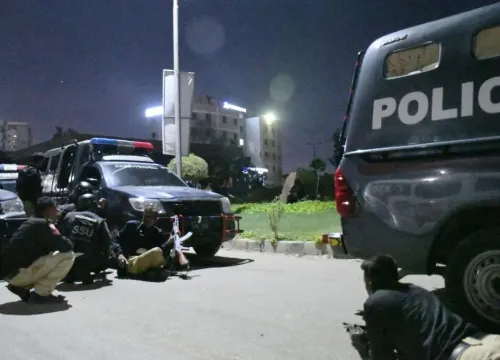
Islamabad, Feb 17 (NationPress) The Human Rights Commission of Pakistan (HRCP) has denounced the actions of the Crime Control Department (CCD) in Punjab for implementing a systematic approach to staged encounters that leads to extrajudicial killings, severely compromising the rule of law and constitutional safeguards within the region.
In light of multiple media reports, the HRCP has recorded at least 670 encounters led by the CCD over an eight-month span in 2025, leading to the deaths of 924 suspects, while two police officers also lost their lives during this timeframe.
“The significant disparity in casualties — averaging more than two fatal encounters each day — along with the consistent operational patterns across various districts, points to an institutionalized approach rather than mere instances of misconduct. Thus, the fact-finding mission has urged an immediate high-level judicial investigation into these fatalities,” stated the HRCP.
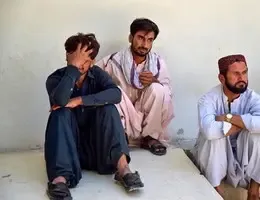
The organization reported a widespread atmosphere of fear among the families of victims. One family recounted being pressured by police to bury their deceased relative promptly and claimed threats were made against other family members should they pursue justice further. Such intimidation, according to the HRCP, amounts to criminal behavior and obstructs justice.
“The use of police encounters as a strategy for crime control has a long and disturbing legacy in Pakistan. Successive provincial administrations, particularly in Punjab and Sindh, have justified these actions as essential to combat crime, terrorism, or inefficiencies within the criminal justice framework,” the HRCP remarked.
Nonetheless, the organization emphasized that Pakistani courts, civil society groups, and human rights organizations have consistently expressed concerns about extrajudicial killings, the accompanying lack of accountability, and violations of the right to life, as enshrined in Article 9 of the Constitution of Pakistan.
According to the HRCP's findings, “CCD operations do not adhere to the UN Basic Principles on the Use of Force and Firearms by Law Enforcement Officials, which necessitate that lethal force be absolutely necessary and proportionate, with accountability for any violations.”
The nearly identical narrative present in CCD press releases and first information reports — asserting that suspects fired first, that police acted in self-defense, and that those killed were invariably ‘hardened’ criminals — emerged in almost every reviewed case, implying a coordinated message rather than independent operational outcomes,” emphasized the rights organization.
The HRCP insisted that long-term public safety cannot be attained through lethal shortcuts that evade thorough investigation, prosecution, and judicial accountability.
Among other recommendations, the report urged the implementation of an immediate province-wide pause on all encounter operations until comprehensive legal protections and independent oversight mechanisms are established.
“Without swift corrective measures — including mandatory independent investigations, accountability for those responsible, and structural reforms to ensure adherence to constitutional and international human rights norms — the normalization of state violence will irreparably harm Pakistan's legal framework, its democratic institutions, and its reputation on the global stage,” the HRCP concluded.
Point of View
I believe that the issues raised by the HRCP regarding extrajudicial killings encapsulate a critical moment for Pakistan. It is essential that we uphold the rule of law and ensure accountability to maintain the integrity of our democratic institutions. We must stand with the victims and call for necessary reforms to prevent the normalization of state violence.
NationPress
30 Sept 2026
Frequently Asked Questions
What are staged encounters?
Staged encounters refer to incidents where law enforcement agencies kill suspects under the pretext of self-defense, often resulting in extrajudicial killings without due process.
How many encounters were reported in Punjab?
In 2025, at least 670 encounters led by the Crime Control Department in Punjab were documented.
What did the HRCP report indicate?
The HRCP's report highlighted a significant number of extrajudicial killings and called for a judicial inquiry into the practices of the Crime Control Department.
Why is this issue important?
This issue is crucial as it pertains to human rights, the rule of law, and the integrity of democratic institutions in Pakistan.
What actions have been recommended?
The HRCP has recommended a province-wide moratorium on encounter operations until independent oversight and legal protections are established.