Pakistan Police Encounters: 924 Dead in 8 Months, Justice System Fails
Synopsis
Pakistan's Crime Control Department killed 924 suspects in just 8 months across Punjab — over 2 deaths daily — as the HRCP documents a systemic pattern of staged encounters. A mother's plea to the Chief Justice and families threatened into silence reveal a criminal justice system in deep crisis.
Key Takeaways
924 suspects killed in 670 police encounters across Punjab, Pakistan over eight months in 2025 , averaging more than 2 deaths per day , according to the HRCP .
Only 2 police officers were killed during the same period, highlighting an extreme casualty imbalance that the HRCP says points to institutionalised misconduct.
A female health worker from Muzaffargarh petitioned Pakistan's Chief Justice for an independent probe into the killing of her two sons in an alleged staged encounter.
The HRCP documented families being pressured by police to bury victims immediately and threatened with further killings if they pursued justice.
Pakistan's leading daily Dawn described the encounters as a tacit official endorsement of extrajudicial methods as state crime control policy.
Article 9 of Pakistan's Constitution guarantees the right to life, which rights groups say is being systematically violated by the Punjab Crime Control Department .
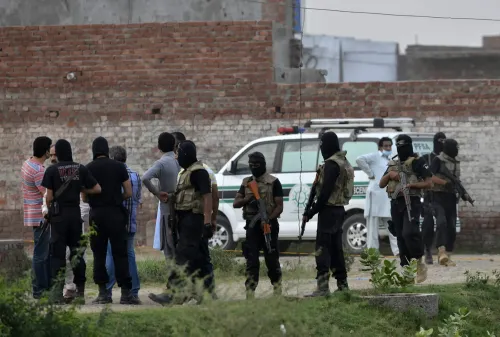
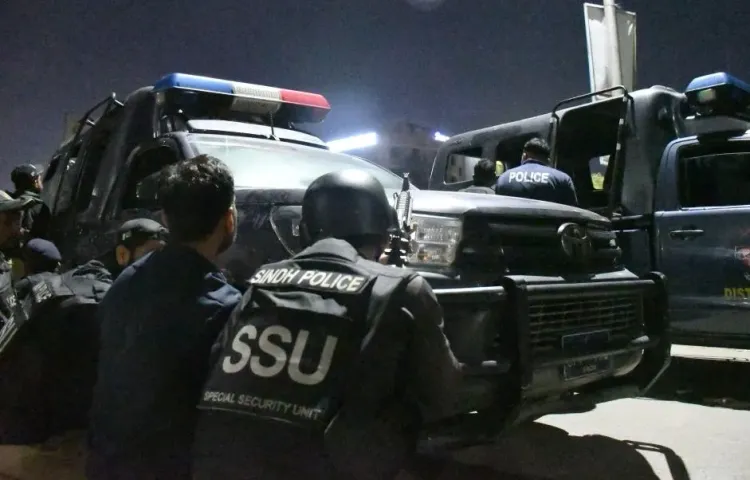
Islamabad, April 23: Pakistan's criminal justice system is facing a severe credibility crisis as extrajudicial police killings in Punjab province have reached alarming proportions, with the Human Rights Commission of Pakistan (HRCP) documenting at least 670 encounters led by the Crime Control Department (CCD) over eight months in 2025, resulting in the deaths of 924 suspects — averaging more than two fatal encounters every single day. The crisis came into sharp focus when a female health worker from Muzaffargarh petitioned the country's Chief Justice to order an independent probe into the killing of her two sons in what she described as a staged police encounter, a case that experts say is far from isolated.
A Systemic Pattern, Not Isolated Misconduct
Pakistan's leading English daily Dawn, in a hard-hitting editorial, described the surge in police encounters as a transformation from "once sporadic instances" into what it called a "systemic practice." The newspaper noted that political authorities in Punjab have at times publicly praised these encounters as an effective deterrent against crime, signalling not just tolerance of extrajudicial methods but a tacit official endorsement of them as crime control policy.
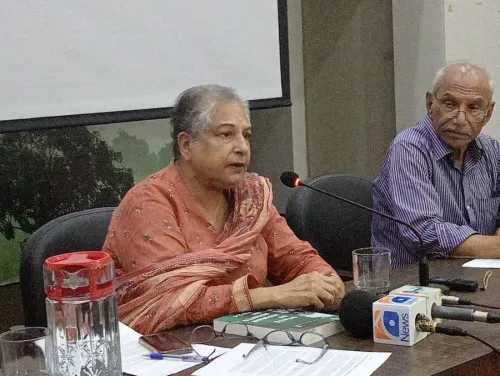
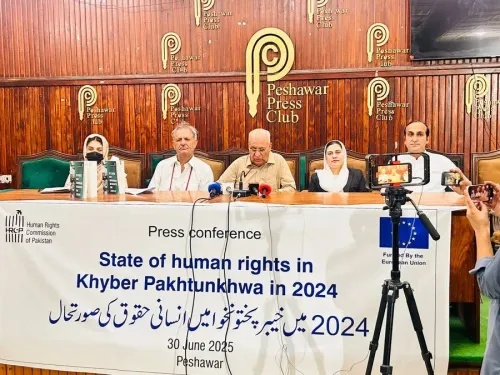
The HRCP's fact-finding mission highlighted a stark casualty imbalance — 924 suspects killed against only two police officers dead during the same period. The organisation concluded that the uniformity of operational patterns across districts points to an institutionalised practice, not random misconduct, and called for an urgent high-level judicial inquiry into the deaths.
Families Living in Fear, Justice Obstructed
The HRCP documented a pervasive climate of fear among victims' families across Punjab. In one documented case, a family reported being pressured by police officials to bury the deceased immediately and was warned that other relatives could face the same fate if they pursued legal action.
The rights body stated that such intimidation constitutes criminal conduct and represents a fundamental obstruction of justice. The Muzaffargarh health worker's plea to the Chief Justice of Pakistan underscores how ordinary citizens have lost faith in provincial authorities to deliver impartial justice and are now bypassing local systems entirely to seek redress at the highest judicial level.
Constitutional Rights vs. State Practice
Under Article 9 of Pakistan's Constitution, every citizen is guaranteed the right to life and a fair trial. Legal experts and rights groups argue that when the state selectively decides who deserves due process, it crosses a dangerous constitutional threshold.
The Dawn editorial warned that acceptance of these killings "brutalises society, undermines people's trust and blurs the line between law enforcement and lawlessness." Critics argue that police resorting to elimination rather than prosecution is a direct admission that investigation, evidence-gathering, and trial processes in Pakistan are either too weak or too inconvenient for authorities to pursue.
Historical Pattern Across Punjab and Sindh
The practice of staging encounters as a crime control tool has deep roots in Pakistan. Successive provincial governments, particularly in Punjab and Sindh, have historically defended such actions as necessary to combat crime, militancy, and inefficiencies within the criminal justice system.
In February 2025, the HRCP formally condemned the CCD in Punjab for pursuing a deliberate policy of staged encounters. Pakistani courts, civil society organisations, and international human rights bodies have repeatedly raised concerns over the years about extrajudicial killings and the near-total absence of accountability for law enforcement officers involved.
Notably, this crisis mirrors patterns seen in the Philippines under the Duterte-era drug war and in parts of India where encounter killings have also sparked judicial scrutiny — raising questions about whether South Asian criminal justice systems are structurally incentivised to bypass due process when under pressure to show crime-control results.
What Happens Next
With the HRCP calling for an urgent high-level judicial inquiry and a citizen directly petitioning the Chief Justice of Pakistan, the spotlight now falls on the country's superior judiciary to act. Whether the courts will order a transparent, independent investigation or allow the status quo to continue will be a defining test of judicial independence in Pakistan in 2025.
Rights groups warn that without immediate institutional accountability, the normalisation of extrajudicial killings risks permanently eroding constitutional protections and public trust in the rule of law across the country's most populous province.
Point of View
They are not just tolerating lawlessness — they are institutionalising it. The 924 dead in Punjab are not statistics; they are evidence of a justice system that has collapsed inward, replacing courts with bullets. India must watch closely: the normalisation of encounter culture anywhere in South Asia sets a dangerous regional precedent that eventually tests every democracy's commitment to due process.
NationPress
20 Sept 2026
Frequently Asked Questions
How many people were killed in Pakistan police encounters in 2025?
According to the Human Rights Commission of Pakistan (HRCP), at least 924 suspects were killed in 670 police encounters led by Punjab's Crime Control Department over eight months in 2025. This averages to more than two fatal encounters every single day.
What is the Crime Control Department (CCD) in Punjab Pakistan?
The Crime Control Department (CCD) is a law enforcement unit operating in Pakistan's Punjab province tasked with combating crime. The HRCP has accused it of pursuing a deliberate policy of staged extrajudicial killings rather than lawful arrests and prosecutions.
Why did a health worker petition Pakistan's Chief Justice over a police encounter?
A female health worker from Muzaffargarh, Punjab, petitioned Pakistan's Chief Justice to order an independent probe into the killing of her two sons in an alleged staged police encounter. She cited police torture and described the encounter as fabricated, reflecting widespread distrust in provincial authorities.
What does Pakistan's constitution say about extrajudicial killings?
Article 9 of Pakistan's Constitution guarantees every citizen the right to life and a fair trial. Rights groups argue that extrajudicial killings by police directly violate this constitutional protection and undermine the rule of law.
What action has the HRCP taken on Punjab police encounter killings?
The HRCP formally condemned the CCD in February 2025 and called for an urgent high-level judicial inquiry into the deaths. The commission also documented intimidation of victims' families by police, describing it as criminal conduct and an obstruction of justice.