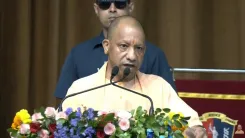
CM Sai honours Pandwani folk artists at Durg Mahasammelan
Synopsis
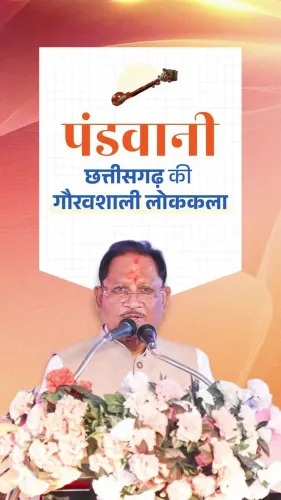
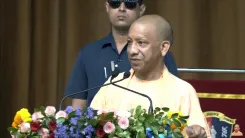
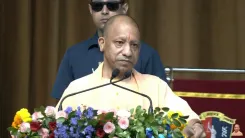
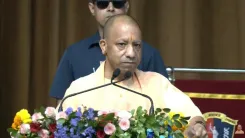
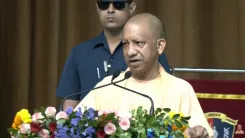
Chhattisgarh CM Vishnu Deo Sai personally honoured Pandwani folk artists at the Pandwani Mahasammelan in Ahivara, Durg on International Artists Day, celebrating the state's richest oral-epic tradition and the dedication of its grass-roots practitioners.
Key Takeaways
CM Vishnu Deo Sai attended the Pandwani Mahasammelan in Ahivara, Durg on 24 October 2026 .
The event coincided with International Artists Day , linking a local folk tradition to a global cultural moment.
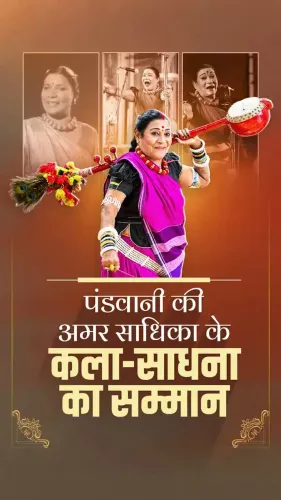
Pandwani is Chhattisgarh's centuries-old oral epic tradition, performed solo with the ektara , narrating Mahabharata episodes.
Folk artists from the region were formally honoured by the Chief Minister for their dedication and practice.
The event was held in Durg district rather than the state capital, bringing institutional recognition to a grassroots cultural hub.
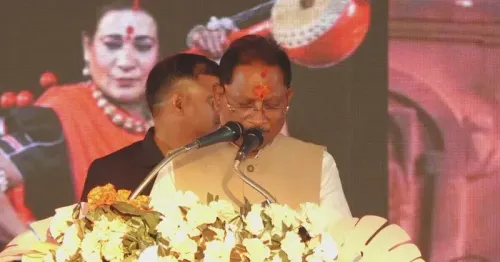
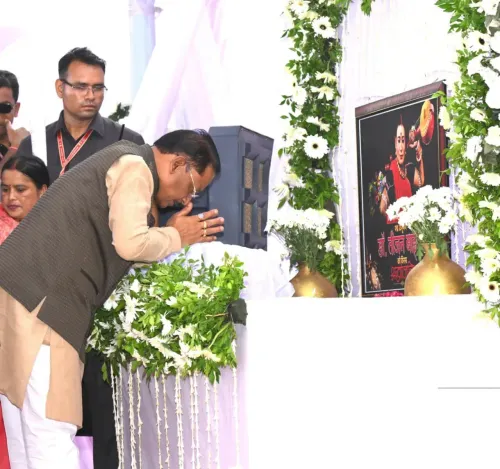
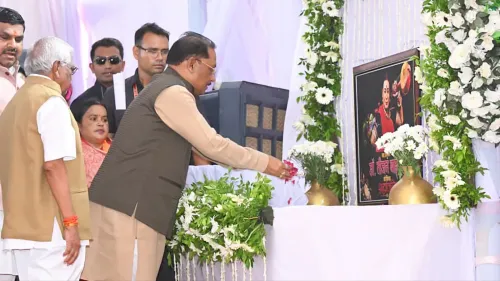
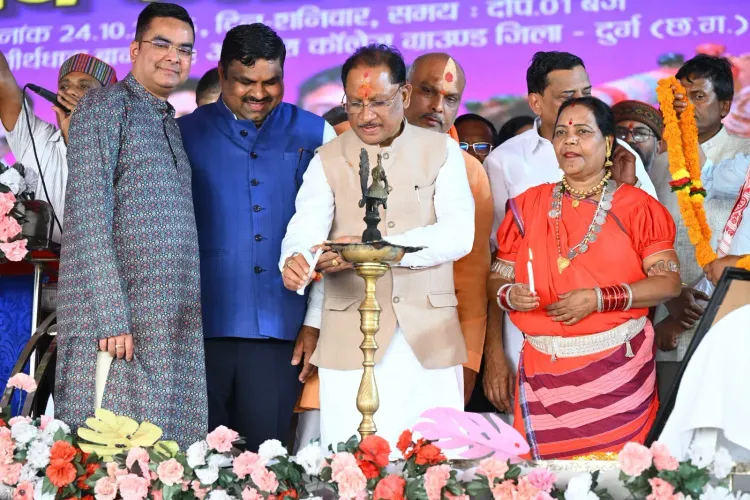
In the small town of Ahivara, Durg, the air carried the ancient cadences of Pandwani — Chhattisgarh's storied oral epic tradition — as Chhattisgarh Chief Minister Vishnu Deo Sai stepped in on Saturday, 24 October 2026 to personally salute the folk artists who keep it alive.
Posting on X, CM Sai wrote: 'Pandwani ke svaron mein Chhattisgarh ki maati ki mahak, lokjeevan ki jeevantata aur hamari samridh sanskriti ka gaurav samaya hai' — 'In the notes of Pandwani lie the fragrance of Chhattisgarh's soil, the vitality of folk life, and the pride of our rich culture.' He added that on the occasion of International Artists Day, he honoured the dedicated practitioners of this art form at the Pandwani Mahasammelan, bowing to their devotion and discipline.
What Pandwani is — and why it matters in Chhattisgarh
Pandwani is a centuries-old performative tradition of Chhattisgarh in which a solo vocalist narrates episodes from the Mahabharata, accompanied by the ektara (single-stringed instrument) and minimal percussion. Distinct from mainstream classical forms, it belongs entirely to the region's tribal and rural heartland — passed down not through institutions but through oral lineage and lived practice.
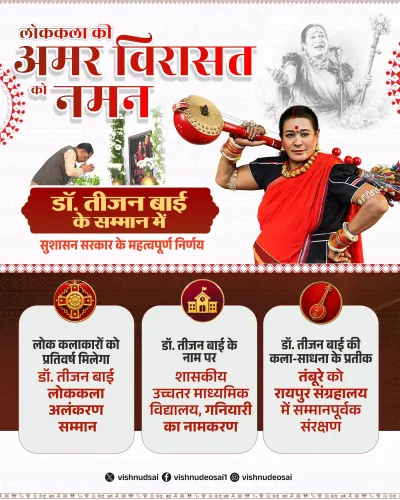
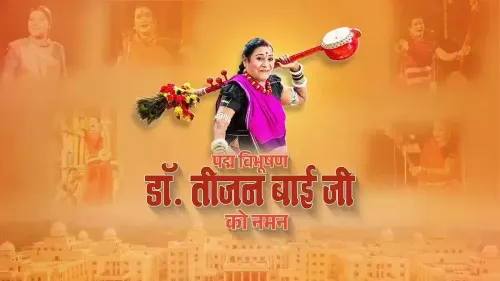
The form gained national attention when artist Teejan Bai — a Padma Vibhushan recipient from Chhattisgarh — brought Pandwani to concert stages across India and abroad. Yet the vast majority of its practitioners remain rooted in villages, performing at local festivals and ritual occasions with little formal recognition. That gap between cultural prestige and ground-level support for artists is precisely what events like the Mahasammelan are designed to address.
Ahivara's moment — a district-level stage for state-level recognition
The choice of Ahivara, a small town in Durg district, as the venue is itself a statement. Rather than confining cultural honours to the state capital Raipur, the programme brought institutional recognition directly to a region where the art lives and breathes. Chhattisgarh governments across administrations have periodically organised such gatherings as part of broader cultural-preservation efforts, but the Mahasammelan format — a grand convocation of folk-art practitioners — signals an attempt to give the exercise ceremonial weight.
International Artists Day, observed on 25 October each year, provided the calendar anchor for the event, linking a local tradition to a globally recognised moment of solidarity with creative communities everywhere.
For the folk artists in the hall at Ahivara, the Chief Minister's personal presence was more than symbolic — it was a signal that the state's highest office sees their craft not as a relic to be preserved in a museum, but as a living inheritance worth celebrating in public, on the record, right now.
Point of View
An implicit acknowledgement that folk traditions derive their authenticity from the villages, not the capital. Tying the event to International Artists Day also gives a distinctly local cultural practice a global frame, elevating its prestige without diluting its roots. Whether this translates into sustained policy support — welfare schemes, performance stipends, documentation grants — for grassroots artists remains the real measure of intent.
NationPress
24 Oct 2026
Frequently Asked Questions
What is Pandwani and why is it significant in Chhattisgarh?
Pandwani is a centuries-old solo oral-epic tradition from Chhattisgarh in which a performer narrates Mahabharata stories through song and minimal instrumentation, primarily the single-stringed ektara. It is one of the state's most distinctive cultural identities, recognised nationally through artists like Padma Vibhushan awardee Teejan Bai.
What was the Pandwani Mahasammelan held in Ahivara?
The Pandwani Mahasammelan was a large gathering held in Ahivara, Durg district, Chhattisgarh, on 24 October 2026 to honour folk artists of the Pandwani tradition on International Artists Day, with CM Vishnu Deo Sai presiding over the ceremony.
Why did CM Vishnu Deo Sai attend the event in Ahivara rather than Raipur?
Holding the Mahasammelan in Ahivara, a small Durg district town, was a deliberate choice to bring state-level cultural recognition directly to the grassroots communities where Pandwani lives and is practised, rather than confining celebrations to the state capital.
When is International Artists Day and what does it mark?
International Artists Day is observed on 25 October each year to celebrate the contributions of artists across all disciplines worldwide. The Ahivara event was organised in its observance on 24 October 2026.
What is CM Vishnu Deo Sai's role in Chhattisgarh?
Vishnu Deo Sai is the Chief Minister of Chhattisgarh and a senior BJP leader, serving as the head of the state government.